Hollywood Loves a Vulture Story
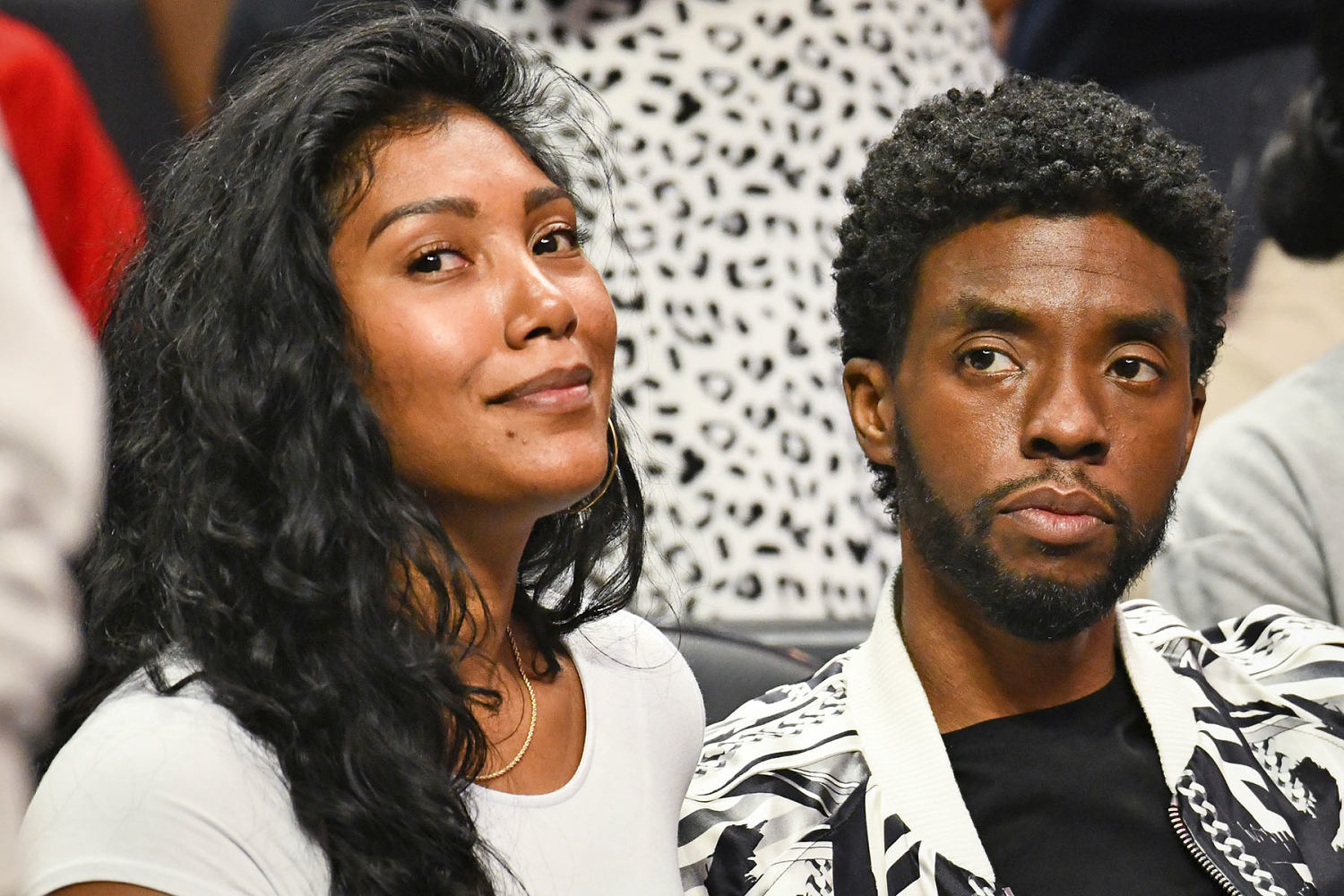
Headline mechanics are simple: take a dead star, add grieving relatives, and throw in a fight over millions. When reports circulated suggesting Chadwick Boseman’s brothers were attempting to oust his widow, Taylor Simone Ledward, from managing his estate, the tabloid machine got precisely the clickbait narrative it desired.
It fits a comfortable, deeply cynical trope. The greedy family vs. the mourning spouse. The tragic icon whose hard-earned legacy gets torn apart by vultures the second his heart stops beating.
There is just one problem with that narrative: it completely misunderstands how California probate law actually functions.
I have spent years watching the entertainment media bastardize complex estate litigation into soap opera drama. They look at procedural court filings, misread routine probate motions, and spin out Shakespearean tragedies to drive ad revenue. The lazy consensus here assumes a bitter, dramatic betrayal within the Boseman family.
The reality? This is standard, dry administrative protocol being blown out of proportion to feed an audience obsessed with celebrity dysfunction.
Intestacy Is the Real Villain, Not the Family
Chadwick Boseman died at 43 without a written will. That single fact dictated every legal maneuver that followed.
When an individual dies intestate in California, the law does not care about personal sentiments, family promises, or who sat next to whom at the funeral. The probate code operates like a cold, emotionless calculator.
By default, an intestate estate passes through specific statutory channels:
- Surviving Spouse Rights: Under California Probate Code Section 6401, the surviving spouse receives all community property and a massive chunk of separate property.
- Next of Kin Distribution: The remaining separate property gets divided among surviving parents, siblings, or children based on rigid percentages.
- Administrator Appointment: A legal representative must be formally appointed to inventory assets, pay off creditors, and distribute what remains.
Taylor Simone Ledward applied to be the administrator because she was his legal spouse. She had the primary statutory right to do so.
So where does the supposed "family revolt" come in?
When media outlets report that family members are filing papers or questioning an estate's management, they interpret standard checks and balances as an all-out war. In probate court, asking for accounting, demanding bond requirements, or requesting co-administration is not an act of hostility—it is standard due diligence.
If a decedent dies without a will, every statutory heir has a fiduciary duty to themselves and the estate to ensure every dollar, royalty right, and intellectual property asset is properly accounted for. Interpreting legal oversight as a bloody family feud is plain reporting malpractice.
Why Celebrity Estates Always Look Broken
When an everyday person dies without a will, the family hires a local probate attorney, files the petition, pays off credit cards, sells the house, and splits the cash. It takes a year, maybe two, and nobody writes a news article about it.
Celebrity estates are a completely different animal. They are not static piles of cash; they are ongoing commercial enterprises.
[Decedents' Royalty Streams] ──> [Probate Court Audit] ──> [Tax Assessment (IRS/State)]
                                                                   │
                                                                   ▼
[Final Heir Distribution] <── [Creditor & Legal Settlement] <─── [Valuation Approval]
Consider what Boseman left behind:
- Residuals and Royalty Stream Rights: Ongoing payouts from Black Panther, 42, and Da 5 Bloods.
- Likeness and Name Rights: Posthumous licensing contracts, merchandise, and intellectual property.
- Complex Tax Liabilities: Multi-state state tax filings combined with massive federal estate tax obligations.
Valuing these assets requires forensic accounting. It takes years to settle with the IRS, audit movie studios, and secure back-pay residuals.
During this extended timeframe, every single administrative filing becomes public record. When an administrator requests permission to pay legal fees, settle a tax bill, or reimburse personal funds spent handling estate expenses, court documents get filed.
Tabloid journalists skim these filings, pick out numbers, spot objections filed by family attorneys demanding line-item receipts, and publish stories claiming the estate is falling apart.
It isn't falling apart. It is working exactly as designed under a slow, painful court-supervised magnifying glass.
The Untrained Public Misinterprets Co-Administration
A frequent source of media confusion stems from the distinction between an administrator and a beneficiary.
Being an administrator is not a prize. It is a burden.
An administrator does not automatically get to keep the estate’s money. They are a court-appointed custodian bound by strict fiduciary duties. If an administrator spends one dollar improperly, they can be held personally liable and sued by the beneficiaries.
When family members seek involvement or object to sole administration, it is often not an attempt to "strip control" from a spouse, but rather an effort to secure co-administration or ensure independent oversight.
Key Rule of Intestacy:
An administrator is merely a trustee for the court. They manage the assets; they do not own them.
Imagine a scenario where a family member insists on co-managing an estate worth tens of millions of dollars. The press immediately labels it a power grab. But in high-net-worth estate law, having multiple administrators or requiring court approval for major expenditures is standard risk management. It protects all parties—including the spouse—from future claims of mismanagement or tax improprieties.
By framing this process as a fight for control, commentators miss the fundamental mechanics of probate. The court holds the real control. The administrator is just doing the paperwork.
The High Cost of Dying Without a Will
While the media exaggerates the family conflict, there is an indisputable takeaway here: Chadwick Boseman’s estate planning failure cost his loved ones millions of dollars and their privacy.
People avoid making a will because facing mortality is uncomfortable. Young, healthy, successful individuals push it off, believing they have decades left. When tragedy strikes suddenly, the consequences are immediate and brutal.
Had Boseman established a standard Revocable Living Trust, the entire situation would look radically different:
| Intestate Probate (What Happened) | Private Revocable Trust (The Ideal Path) |
|---|---|
| Public Record: Every asset, debt, and court filing is open to the press. | 100% Private: Financial details and distributions remain confidential. |
| Court-Appointed Control: Judges decide who manages the money. | Direct Designation: Trustees are selected silently in advance. |
| Exorbitant Fees: Statutory probate and attorney fees drain millions. | Minimal Costs: Avoids court oversight and heavy legal overhead. |
| Lengthy Delays: Process stalls in court for years. | Immediate Transfer: Assets pass smoothly to beneficiaries. |
The true tragedy of the Boseman estate is not a manufactured family war. It is that a brilliant, intensely private actor who fought cancer in total secrecy had his personal finances dragged into the open because he failed to sign a few estate planning documents.
Stop Buying the Drama
The legal process for Chadwick Boseman’s estate was never about a family trying to destroy a widow. It was the predictable, bureaucratic consequence of an unexpected death paired with zero estate planning.
The media profits off your outrage. They want you to pick a side in a fake family dispute because anger generates clicks.
The next time you read a headline declaring that relatives are "fighting over" a dead celebrity's fortune, ignore the emotional bait. Look for the probate filings. Read the actual motions. Nine times out of ten, you aren't watching a family tear itself apart—you're just watching California's bureaucracy drag a family through hell because nobody drafted a trust.