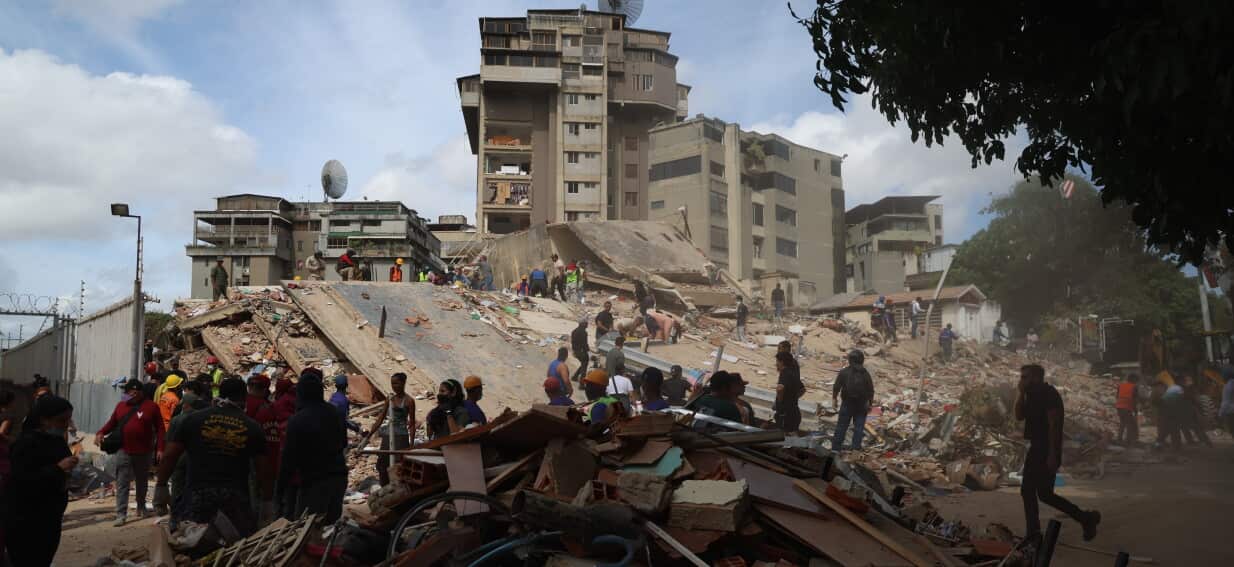
Federal arson prosecutions involving complex environmental factors require a precise intersection of circumstantial evidence, behavioral modeling, and forensic science. When any one of these structural components fails to establish an unbroken causal chain, the probability of a hung jury escalates exponentially. The current deadlock in the United States v. Jonathan Rinderknecht—where a federal jury declared an absolute standstill after 14 hours of deliberation—exposes the strategic friction points that occur when a prosecutor relies on a "holdover fire" theory without direct physical proof of intent.
To evaluate the operational paths available to both the defense and the prosecution, the case must be deconstructed through its core evidentiary components, the mechanics of federal jury deadlocks, and the structural limitations of circumstantial arson litigation.
The Tri-Partite Evidentiary Core
The government’s prosecution strategy relies on three distinct variables to establish guilt across the three federal counts: destruction of property by means of fire, arson affecting interstate commerce, and timber set afire. The structural integrity of the case depends on linking these components:
- The Temporal-Spatial Link (The Lachman Fire Matrix): The prosecution established that the defendant was present at the "Hidden Buddha" clearing in the Pacific Palisades hillside during the initial hours of January 1, 2025. Cell phone geolocation data and time-delayed trail cameras confirmed his physical position adjacent to the ignition point of the original Lachman Fire.
- The Smolder Mechanism (The Holdover Fire Hypothesis): Because the destructive Palisades Fire did not erupt until January 7, 2025—six days after the Lachman Fire was ostensibly suppressed—the state's case requires a technical bridge. An arson investigator testified that the fire smoldered continuously underground within root systems before high winds caused a surface flare-up.
- The Behavioral Motive Profile: Lacking a direct eye-witness or physical recording of the ignition act, prosecutors introduced circumstantial behavioral data. This included digital forensic footprints (inputs into large language models), statements made to rideshare passengers regarding societal friction, and a documented resentment toward the socioeconomic demographic of the Pacific Palisades neighborhood.
The defense countered this model by introducing an alternative causal variable: commercial or consumer fireworks deployed by New Year’s Eve revelers in the immediate geographic vicinity. By validating that multiple 911 calls were initiated by Rinderknecht himself, the defense challenged the behavioral motive profile, transforming the defendant from an active arsonist into an exposed bystander.
The Structural Friction of Circumstantial Proof
A core vulnerability in the prosecution's architecture is the reliance on a multi-stage causal chain where every link must be proven beyond a reasonable doubt. If a juror rejects either the behavioral motive or the underground smolder mechanism, the legal standard for conviction fails.
[Defendant Presence] ---> [Ignition of Lachman Fire] ---> [6-Day Underground Smolder] ---> [High Winds / Main Fire]
                                    ^
                        (Defense: Fireworks Alternative)
The primary bottleneck is the six-day delay between the initial ignition and the catastrophic property damage. In standard arson prosecutions, the proximity between the act and the outcome is immediate. Here, the intervention of the Los Angeles Fire Department’s initial suppression efforts introduces an compounding variable. The defense was restricted from directly assigning liability to the fire department for negligent suppression. However, the technical uncertainty of whether a fire can remain dormant underground for 144 hours under standard atmospheric conditions created a structural opening for reasonable doubt.
Legal Instruments for Resolving Judicial Impasse
When a federal jury sends an explicit notification of a standstill, the presiding judge has a restricted set of procedural levers to deploy before declaring a mistrial. Each choice carries distinct strategic risks for both parties.
The Modified Allen Charge
The prosecution advocated for further instruction, a prelude to a formal Allen charge. This instruction admonishes dissenting jurors to re-examine their positions and consider the validity of the majority opinion. The strategic utility of this tool is the prevention of a costly retrial, but it risks introducing appellate vulnerability if the wording is deemed overly coercive.
Supplemental Arguments
A secondary option is allowing both legal teams to present targeted, brief arguments addressing the specific friction points causing the jury's split. The efficacy of this method depends on whether the deadlock stems from a misinterpretation of jury instructions or an irreconcilable split over witness credibility. Because the jury explicitly stated that additional instructions or testimony readbacks would not alter their positions, the utility of this intervention is exceptionally low.
The Declaration of a Mistrial
If the court determines that the ideological split is permanent, the judge will discharge the jury. A mistrial resets the legal baseline to zero. It does not constitute an acquittal; rather, it forces a strategic reassessment of the cost-benefit function of a secondary prosecution.
Tactical Scenarios for Retrial vs. Resolution
Should a mistrial be declared due to the permanent impasse, the U.S. Attorney’s Office faces a binary strategic decision governed by resource allocation and probability of conviction.
- The Secondary Prosecution Path: If the government elects to retry Rinderknecht, the prosecution must adjust its evidentiary presentation. The initial six-day trial utilized more than 30 witnesses to establish a circumstantial profile. A secondary trial would require streamlining the scientific data surrounding holdover fires and neutralizing the defense's fireworks alternative through more precise meteorological and forensic modeling of the ignition site.
- The Plea Negotiation Path: The defense has noted that the defendant faces up to 45 years in federal prison and has undergone 10 months of pretrial detention. A deadlocked jury signals to the prosecution that their current evidence is insufficient to guarantee a unanimous verdict. This structural weakness increases the defense’s leverage, making a negotiated plea to lesser charges a highly probable outcome if the state wishes to avoid the financial and reputational expenditure of a second federal trial.
The optimal strategic move for the defense is to maintain an unyielding position against any jury coercion methods, ensuring that the current impasse either forces an outright mistrial or leaves the prosecution with no choice but to offer a significantly reduced plea arrangement. Conversely, the prosecution must prepare an immediate motion for a retrial to maintain leverage, while internally recalculating the viability of their holdover fire theory under intense cross-examination.