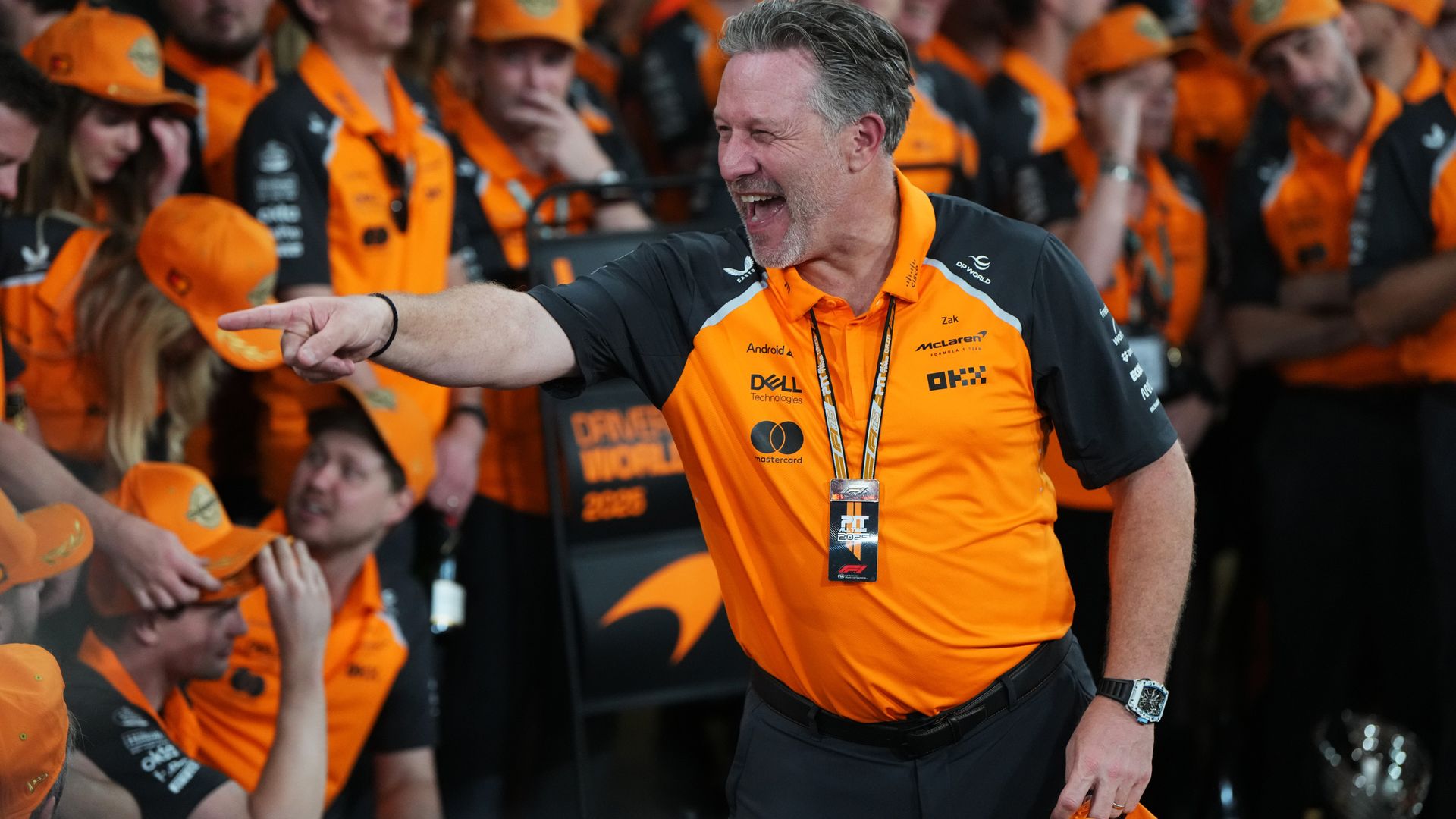
Formula 1 used to be an expensive hobby for billionaires who liked burning cash. Today, it's a license to print money. No team proves this shift quite like McLaren Racing, which is charging hard toward a historic £1 billion annual revenue milestone.
If you look back a few years, McLaren was scrambling. The wider corporate group was selling off assets just to stay afloat, the F1 team was stuck at the back of the grid, and morale was in the gutter. Fast forward to today, and the outfit from Woking is winning championships, pulling in record commercial partnerships, and paying its chief executive an eye-watering sum that rivals the sport's star drivers. For another view, consider: this related article.
The Commercial Machine Behind the Track Success
People love to focus on the cars, but the real race happens on the balance sheet. McLaren's recent financial filings showed revenues leaping to £588 million. That massive jump didn't happen by accident. Chief Executive Zak Brown transformed the organization into an aggressive commercial sponge.
When you sign a tidal wave of blue-chip sponsors and combine that with the financial safety net of the F1 cost cap, the math changes completely. Teams aren't bottomless money pits anymore. They are appreciating assets. Bahrain's Mumtalakat and Abu Dhabi's CYVN Holdings valued the broader racing structure at roughly £3.5 billion when they bought out external stakes. That valuation explosion explains why management incentives are structured the way they are. Similar analysis on this matter has been shared by MarketWatch.
Why the Chief Executive Pay Package Shocked Everyone
When news broke that Zak Brown's total earnings package hit nearly £82 million (around $100 million USD), the internet lost its collective mind. Critics pointed out that it dwarfs the salaries of elite drivers like Lewis Hamilton and Lando Norris.
Here's the nuance most commentators miss. A massive chunk of that payout wasn't a standard yearly salary. It was tied directly to long-term incentive plans and equity events, specifically triggered by ownership restructuring like the exit of MSP Sports Capital as a major shareholder. Brown didn't just show up to work and get handed a check. He inherited a sinking ship in 2018 and rebuilt it into a championship contender while multiplying the enterprise value multiple times over.
You can argue whether any corporate executive is worth nine figures in a single year. Still, in terms of corporate turnaround execution, Brown delivered every single metric the ownership group asked for.
The Cost of Winning Big
Growth brings its own headaches. Even though revenue hit record highs, McLaren's recent accounts also revealed a net loss of £42.8 million. Why? Because the cost of sales ballooned past £534 million, headcount expanded past 1,200 employees, and expenses mounted.
Scaling a racing team into a global media and lifestyle powerhouse takes massive upfront capital. They're investing heavily in infrastructure, expanding into IndyCar, and pushing hypercar projects. Profitability fluctuates wildly when you're expanding that aggressively.
If you want to track where modern sport is heading, look right here. Racing isn't just about crossing the finish line first anymore. It's about building a commercial ecosystem so bulletproof that even a £40 million operational loss is just a speed bump on the road to a billion-dollar valuation.
This short video provides a quick breakdown of the massive financial milestones and executive compensation figures driving headlines at McLaren.


