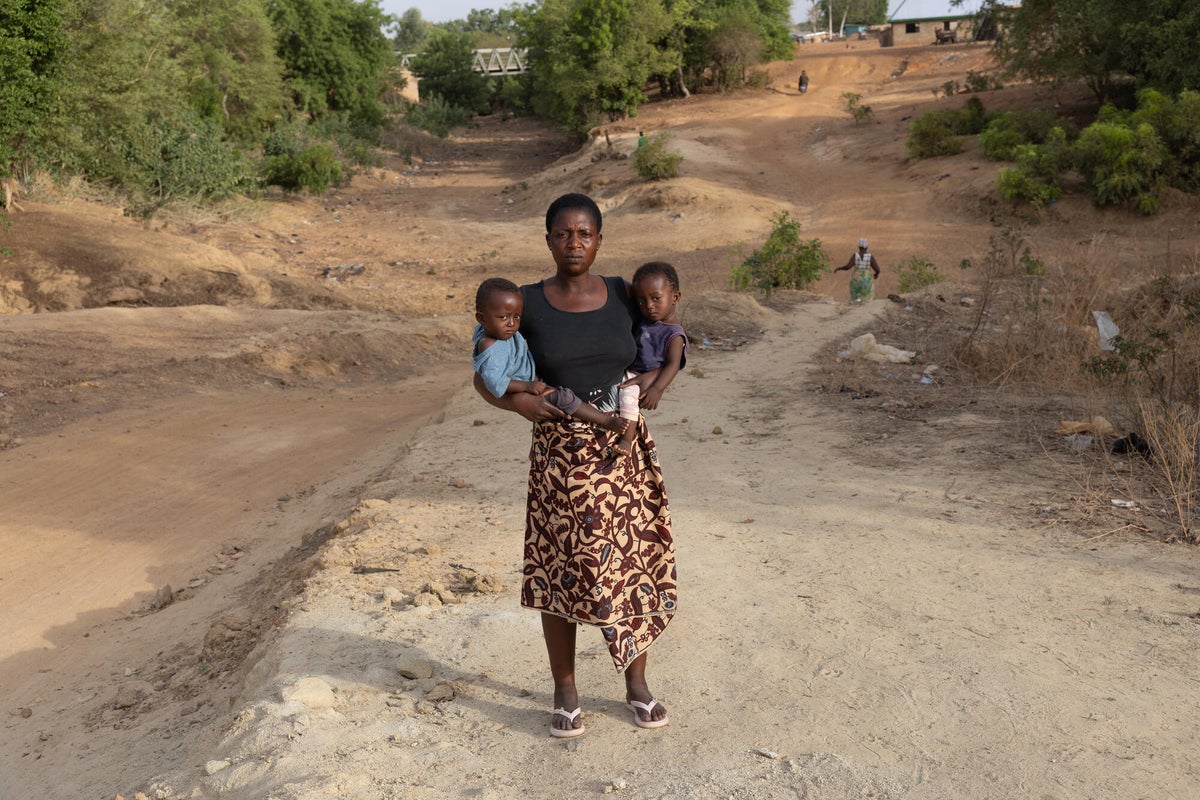
Pregnancy should be a time of anticipation, not a calculated gamble with death. Yet for millions of women trapped in war zones and collapsing states, carrying a child to term is exactly that. It's a quiet, brutal crisis unfolding away from the headlines. While global attention focuses on frontline statistics and geopolitical shifts, pregnant women in conflict zones are fighting a desperate battle just to survive childbirth.
The numbers are staggering. According to data from the United Nations Population Fund (UNFPA), over half of all preventable maternal deaths occur in countries experiencing conflict or fragile humanitarian settings. This isn't just a statistic. It means real women, terrified and isolated, giving birth in tents, bombed-out buildings, or on the side of dirt roads without a single medical professional in sight.
We need to stop looking at maternal mortality in crisis zones as an unavoidable byproduct of war. It's a systemic failure. The destruction of healthcare infrastructure, the displacement of skilled midwives, and the blockading of basic medical supplies are direct results of human conflict. When a hospital is bombed, the immediate casualties are tracked. The pregnant women who will die three months later because that hospital no longer exists are rarely counted. They are the invisible casualties of war.
What Happens When Maternity Wards Become Frontlines
When conflict erupts, the entire ecosystem supporting safe childbirth collapses instantly. It starts with the physical destruction of clinics. In active combat zones, hospitals are routinely damaged or forced to close due to a lack of electricity and running water.
Without functioning facilities, routine prenatal care vanishes. Women don't get screened for pre-eclampsia. They don't get iron supplements for anemia. Gestational diabetes goes unnoticed. These manageable conditions transform into fatal complications during labor.
Consider the logistical nightmare of giving birth under a curfew or during active shelling. If a woman goes into labor at night in a city under siege, traveling to a clinic is a life-threatening risk. Checkpoints, landmines, and sniper fire turn a short drive into a gauntlet. Many women choose to stay home, risking a complicated delivery in secret rather than facing the violence outside.
The shortage of trained personnel worsens everything. Doctors and nurses flee violence just like everyone else. The few who remain are overwhelmed, often treating trauma injuries rather than delivering babies. Essential supplies disappear fast. Basic items like sterile gloves, clean blades to cut umbilical cords, and oxytocin to prevent postpartum hemorrhage become luxury goods. In these environments, a completely normal biological process becomes a gamble with sepsis and bleeding.
The Reality of Displaced Mothers
Displacement multiplies the dangers. When families flee their homes, pregnant women walk for days or weeks under scorching heat or freezing rain. They arrive at overcrowded refugee camps where sanitation is poor and clean water is scarce.
In these camps, privacy is nonexistent. Stress levels are sky-high. Chronic stress and malnutrition significantly increase the risk of preterm labor and low birth weight. A premature baby needs neonatal intensive care, something a makeshift tent city cannot provide.
Nutrition is another massive hurdle. Pregnant and lactating women have specific nutritional needs to keep themselves and their babies alive. In ration-dependent settings, these needs are rarely met. Anemic mothers are far more likely to bleed to death during childbirth. It's a vicious cycle where a lack of food directly translates to a higher risk of mortality on the delivery table.
Organizations working on the ground face immense hurdles trying to deliver aid. Bureaucratic delays, blocked shipping routes, and targeted attacks on humanitarian workers mean that life-saving reproductive health kits often sit in warehouses instead of reaching the women who need them.
Moving Beyond Basic Aid
Sending generic aid packages doesn't cut it anymore. We need a fundamental shift in how humanitarian assistance is structured during crises. Reproductive healthcare cannot be treated as an afterthought or a secondary priority to be addressed after food and shelter are secured. It must be integrated into the immediate emergency response from day one.
International agencies must prioritize the distribution of clean delivery kits to women in inaccessible areas. These small, inexpensive packs contain sterile plastic sheeting, soap, a razor blade, and an umbilical cord clamp. They are incredibly basic, but they save lives when a hospital delivery is impossible.
Investing in local midwives is another crucial step. Long after international NGOs leave, local healthcare workers remain. Training and equipping community midwives ensures that even in the depths of a crisis, women have access to someone who knows how to manage a delivery and spot danger signs early. Mobile health clinics equipped for basic obstetric care must be deployed aggressively to reach displaced populations scattered outside official camps.
Ending the silence around this crisis requires holding warring parties accountable under international law. Targeting healthcare facilities and blocking medical relief are war crimes. Until there is real accountability for the destruction of healthcare systems, pregnant women will continue to pay the ultimate price for conflicts they did nothing to start. Every country and international body funding humanitarian responses must mandate that reproductive health services receive dedicated, ring-fenced funding that cannot be diverted.