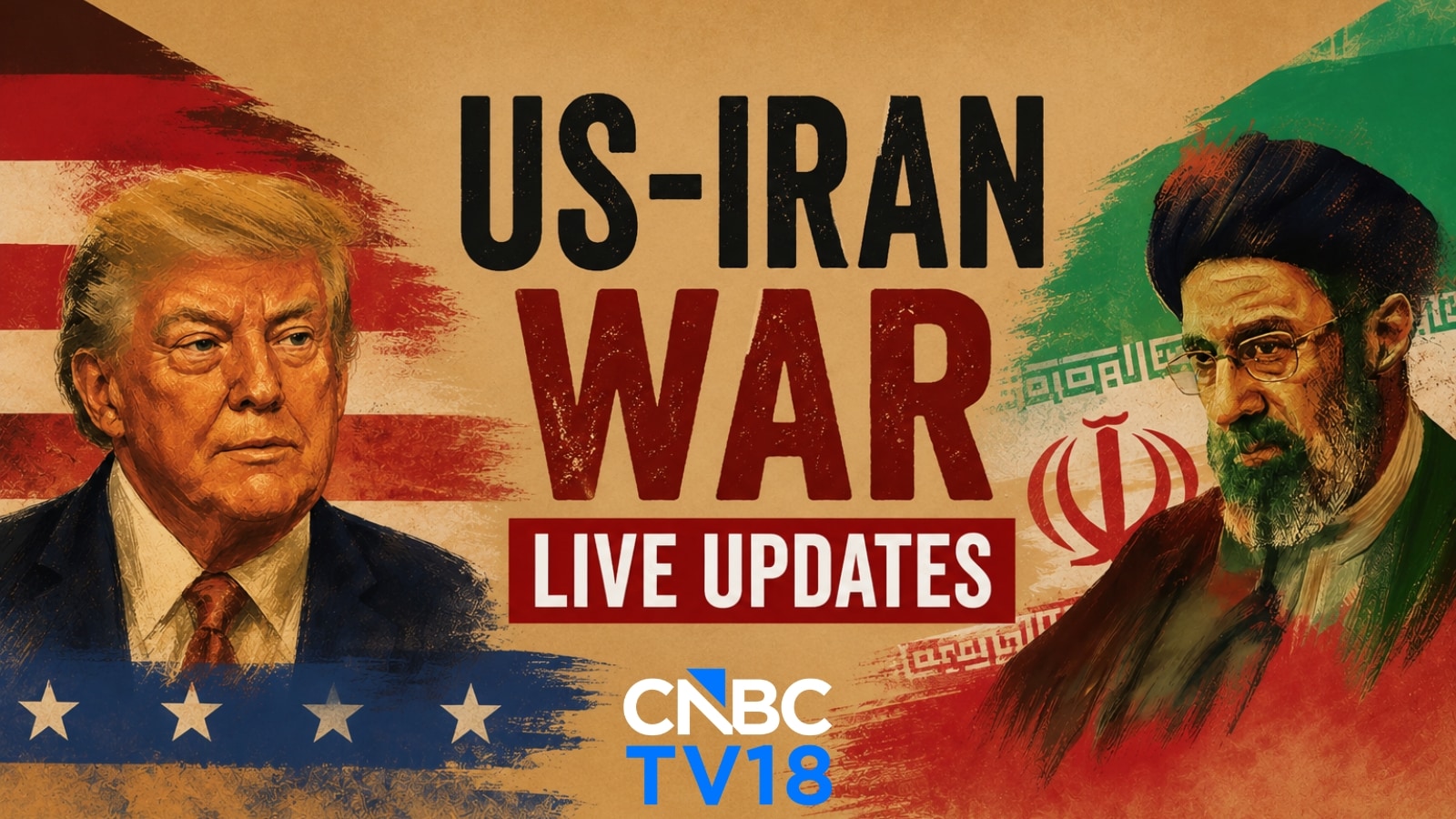
Millions of people are packing the streets of Tehran right now, and the message they are sending to Washington is unmistakable. The six-day state funeral for Ayatollah Ali Khamenei has officially begun at the Grand Mosalla mosque. Thousands are carrying red banners demanding immediate revenge. If the United States and Israel thought their devastating February airstrikes would cause the absolute collapse of the Islamic Republic, the sheer scale of this gathering proves they miscalculated.
This isn't just a moment of grief. It's a calculated, high-stakes display of geopolitical defiance. Also making waves in related news: Why Trump's 250th Independence Anniversary Strategy Is Shaking Up the 2026 Midterms.
The US Iran war completely upended the Middle East when Operation Epic Fury launched on February 28. The opening wave of strikes took out Khamenei and several top officials. Since then, we've seen retaliatory missile salvos, a crippling blockade of the Strait of Hormuz, and months of intense regional fighting. Now, with a tentative 60-day ceasefire signed in June holding the peace by a thread, this funeral serves as the ultimate litmus test for Iran's internal stability and its remaining international alliances.
Who Showed Up and Who Stayed Away
The guest list inside the Grand Mosalla tells you everything you need to know about Iran's current geopolitical standing. You won't see a single Western diplomat in the crowd. Instead, the delegations arriving in Tehran reflect a deeply fragmented global order. More information on this are explored by Al Jazeera.
High-level leaders from Pakistan, Iraq, Armenia, and Tajikistan are leading the foreign contingents. Delegations from global heavyweights like China and India have also arrived, showing that Tehran is far from totally isolated. Over 30 countries have sent official representatives, including a dozen parliamentary heads mostly from Arab states.
But the attendance also highlights a stark reality. While regional powers like Pakistan have stepped up to mediate the peace talks, many Arab neighbors are keeping their distance. Countries like Saudi Arabia and the United Arab Emirates, which faced Iranian missile retaliation during the height of the conflict, are watching the events with intense caution.
The Raw Political Narrative of the Funeral
Iranian authorities have planned this event down to the smallest detail to project strength. They expect between 15 and 20 million people to participate before the final burial in Mashhad. First Vice President Mohammad Reza Aref openly called the ceremony the most important event of this century for the nation.
The Symbolic Cost of the Conflict
Inside the Great Hall, the imagery is heavy with the costs of this brief but brutal war. Alongside Khamenei's casket sit the tiny coffins of his family members, including his 14-month-old granddaughter who died in the same initial blast. State television has focused heavily on these images. The regime is using this immense personal tragedy to unify a domestic population that was heavily divided by protests just a year ago.
Crowds and Chaos Control
Managing a crowd of this magnitude in the middle of a scorching summer heatwave is a logistical nightmare. The government has deployed thousands of security personnel and put the capital on a complete national security lockdown. Memories of past state funerals loom large. When Ayatollah Ruhollah Khomeini died in 1989, and when Qassem Soleimani was buried in 2020, the sheer volume of mourners led to fatal stampedes and chaotic scenes. Tehran is desperate to avoid a repeat, especially with the threat of opportunistic attacks remaining high.
What This Means for the Fragile Peace Talks
This funeral isn't happening in a vacuum. It directly impacts the tense negotiations currently paused in Qatar. The United States and Iran signed a 14-point memorandum of understanding on June 17, extending a temporary ceasefire to allow a 60-day window for a permanent deal.
The main sticking points remain incredibly difficult to resolve. The U.S. wants a complete, ironclad guarantee that Iran will permanently halt its nuclear weapons ambitions and accept massive constraints on its remaining ballistic missile programs. On the flip side, Iran is demanding an immediate, permanent lifting of the naval blockade on its ports, the unfreezing of billions in assets abroad, and full restoration of its oil export capabilities.
The rhetoric out of Tehran during the funeral processions suggests they aren't planning to back down. Chief negotiators are using the massive crowds to signal that the population backs a hardline stance. If the U.S. expects an unconditional surrender, the sea of black-clad mourners chanting in Tehran suggests they will be waiting a very long time.
Actionable Steps for Tracking the Crisis
The situation changes by the hour. If you want to understand where the region is heading next, you need to watch specific indicators rather than just reading generic news headlines.
Monitor the Strait of Hormuz Shipping Traffic
Keep a close eye on commercial maritime tracking data. The memorandum signed in June requires Iran to ensure safe passage for commercial vessels. If shipping numbers stall or if new detentions occur, it means the ceasefire is breaking down.
Follow the Mediator Statements from Islamabad and Doha
The direct communication channels between Washington and Tehran are broken. Everything goes through Pakistani and Qatari mediators. Pay attention to press releases from Islamabad. They usually signal whether the 60-day negotiation window will result in a real treaty or a return to active combat.
Watch Regional Military Deployments
The U.S. military maintains its largest regional presence since 2003. Watch for shifts in naval strike groups in the Arabian Sea and air defense realignments in allied Gulf states. These movements will tell you if military planners expect the June ceasefire to collapse once the funeral ceremonies conclude on July 9.