When hundreds of long-range drones streak across the night sky toward the Russian capital on the final day of a tightly controlled national vote, nobody is pretending it's business as usual. That is exactly what happened when a massive aerial barrage targeted Moscow and its surrounding region, disrupting the closing moments of Russia’s parliamentary elections. Moscow Mayor Sergei Sobyanin scrambled to manage the fallout, claiming that air defenses intercepted an unprecedented volume of unmanned aerial vehicles. But intercepting drones doesn't stop the psychological shockwave or the physical damage to critical energy infrastructure right in Vladimir Putin's backyard.
If you look past the official state media framing, this strike was a calculated masterclass in timing. Launching an aerial assault of this scale while millions of Russians cast ballots for the State Duma completely shatters the Kremlin's narrative of total domestic security and invulnerability.
Breaking Down the Scale of the Capital Strike
The sheer logistics of mounting an operation that involves over a thousand drones across multiple regions boggle the mind. Russian authorities reported intercepting massive waves of UAVs, with hundreds homing directly in on Moscow. This wasn't a token gesture or a minor annoyance meant to grab headlines for twenty-four hours. It was a sustained, highly coordinated campaign aimed squarely at petroleum refining capacity and urban centers.
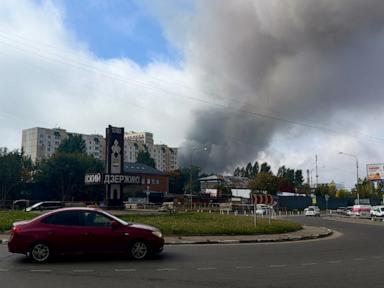
At the Moscow Oil Refinery, explosions and subsequent fires sent thick plumes of black smoke billowing into the atmosphere. This specific facility has faced repeated hits over the course of the conflict, exposing deep vulnerabilities in the air defense umbrella surrounding the capital. When energy assets inside Moscow Oblast catch fire while citizens are standing in voting booths, the war stops being a distant television broadcast and turns into an immediate, smoky reality.
Residential areas also bore the brunt of falling debris and intercepted drones. Regional governors confirmed casualties, including a middle-aged woman and an elderly resident, after a drone slammed into a high-rise residential block, forcing the emergency evacuation of hundreds of panicked tenants.
Why the Timing of the Vote Matters
The parliamentary election itself was never in doubt. With opposition voices effectively sidelined, jailed, or driven into exile, Putin's United Russia party coasted to a predictable victory. The exercise was designed to project absolute stability, continuity, and unyielding public backing for the ongoing military campaign in Ukraine.
Instead, the timing threw a wrench into that carefully choreographed theater. By hitting the capital on the final day of voting, the message from Kyiv was loud and clear: you can hold elections in occupied territories and secure districts all you want, but your own capital remains within striking distance.
Citizens woke up to grounded flights at regional airports, sirens echoing through the suburbs, and blocked streets. That kind of disruption erodes the silent social contract that many urban Russians relied upon—the idea that the economic and physical costs of the war would remain safely quarantined away from Moscow.
The Broader Energy and Economic Toll
Beyond the dramatic television clips of air defense tracers lighting up the night, these continuous campaigns against Russian refineries are choking the country's economic engine. Refined petroleum shortages, fuel price spikes, and frustratingly long queues at gas stations have popped up across multiple time zones.
Moscow tries to absorb these shocks by funneling state resources toward repair work and beefing up electronic warfare countermeasures. Yet, the sheer volume of low-cost, long-range drones means that air defense missile stockpiles are constantly being traded down against cheap explosives. That math heavily favors the attackers over time.
As preliminary results rolled in and the dust settled over the capital, the political reality crystallized. The parliamentary body that emerged from this vote is more thoroughly aligned with the Kremlin than ever, packed with returning veterans and hardline loyalists. But that political consolidation happens against a backdrop where the airspace over Moscow is no longer sacred.
The strategy moving forward isn't about winning hearts and minds inside the Garden Ring. It's about making the cost of the conflict impossible to ignore for the people living right next door to the seat of power.
Record Ukrainian attack leaves Moscow ablaze on election day | DW News
This video provides an on-the-ground visual breakdown and objective news analysis of the unprecedented drone barrage that struck Moscow during the final hours of the Russian parliamentary elections.