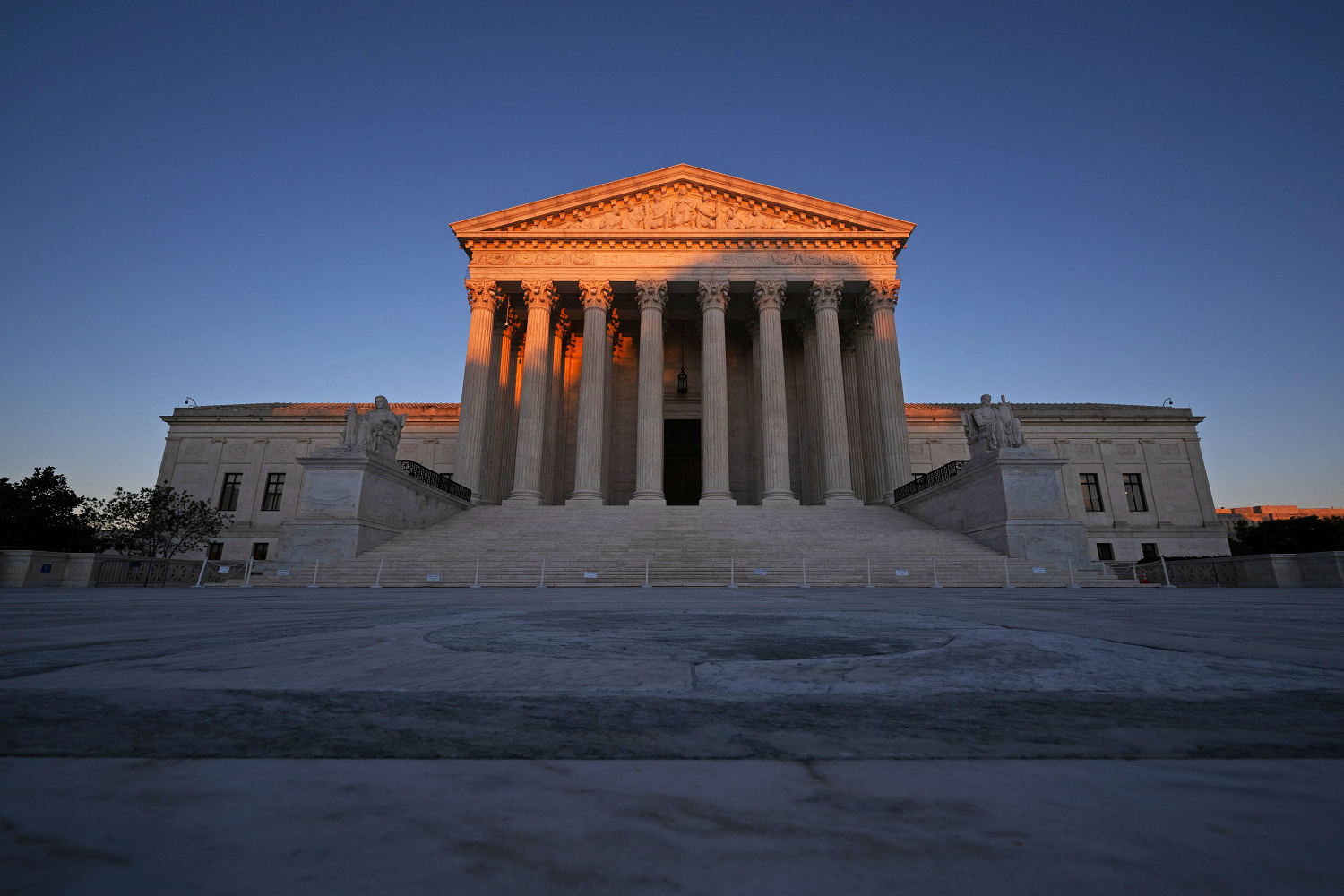
The Supreme Court didn't just pick up another admissions fight when it took up Association for Education Fairness v. Montgomery County Board of Education in October 2026. It stepped straight into the messiest unresolved question left behind after colleges stopped using race as an explicit admissions factor: what actually counts as proof that a "neutral" admissions policy is secretly targeting students because of their race?
If you've been watching K-12 magnet school battles over the past few years, you already know how heated these fights get. Districts tweak admissions rules—using lotteries, zip codes, or socioeconomic buckets—hoping to widen access and diversify selective classrooms. Critics push back, arguing those tweaks quietly penalize certain groups, especially Asian American applicants. Now the justices are set to hear oral arguments early in 2027, with a ruling expected before the term wraps up around mid-2027. You might also find this related article useful: Urban Gun Violence Near Hospitals Why The Standard Reporting Fails.
Honestly, this case is less about middle school seats in Maryland and way more about the legal playbook every school district in the country will have to follow.
What the Maryland school admissions dispute actually centers on
At its core, Association for Education Fairness v. Montgomery County Board of Education isn't a classic affirmative action case where a school checks a box for race on an application. Montgomery County in Maryland adopted changes—including a lottery pool for qualified students during pandemic disruptions—that don't explicitly classify applicants by race on paper. As extensively documented in recent articles by Associated Press, the results are notable.
Opponents argue the shift was driven by racial motives and hurt Asian American students who previously held a larger share of selective middle school magnet seats. Lower courts sided with the school board, pointing to data showing Asian American admissions didn't drop below their share of the applicant pool under the lottery system.
That detail trips people up. A lot of folks assume the Supreme Court is deciding whether a lottery or socioeconomic preference is automatically unconstitutional. That's not quite what's on the table. The justices agreed to review the evidentiary standard—meaning what kind of proof a challenger needs to show intentional discrimination when a policy looks neutral on its face.
The circuit split nobody outside legal circles talks about
Federal appeals courts have split sharply on this exact question. In some circuits—including the Fourth Circuit, which covers Maryland and earlier ruled in the Coalition for TJ fight over Northern Virginia's Thomas Jefferson High School for Science and Technology—courts looked closely at group-level numbers, noting whether Asian American students still received offers at rates matching or exceeding their share of applicants.
Other appellate courts have taken different paths or weighed intent and harm differently when evaluating facially neutral policies. You end up with a map where a family's odds of winning a courtroom challenge can depend on which federal circuit governs their zip code.
Think about how frustrating that is for parents and school leaders alike. A school board in one state tries to broaden opportunity through a lottery or holistic screen and gets a green light. Another district tries something similar elsewhere and faces years of expensive litigation.
Why this fight followed the college affirmative action ruling
Three years after the Supreme Court struck down race-conscious college admissions in Students for Fair Admissions v. Harvard (2023), K-12 admissions became the front line. Colleges couldn't use explicit racial preferences anymore, so attention shifted quickly to how students are sorted before college—at competitive magnet high schools and selective middle school programs.
When explicit race preferences disappear, proxy debates get louder. Every non-racial metric looks suspicious to someone:
- Lotteries can feel random to families who spent years prepping for exams, even when districts argue they remove gatekeeping hurdles.
- Geographic or middle-school feeder rules can expand access for underrepresented neighborhoods while frustrating high-scoring students from heavily concentrated feeder schools.
- Socioeconomic factors help low-income kids across racial lines, yet critics still debate whether districts adopt them with race in mind.
From years of watching education policy battles play out on the ground, here's a mistake districts make over and over: they treat admissions redesigns purely as a math problem. You run a simulation, tweak a formula, see how demographic percentages shift, and call it a day. That ignores how families experience fairness and how courts examine the paper trail behind a decision—emails, meeting minutes, stated goals, and timing.
The real tension between group stats and individual claims
Legal scholars and commentators—including writers on SCOTUSblog and legal analysts at firms like Snell & Wilmer—have zeroed in on a tricky question. Suppose a school board adopts a race-neutral rule partly hoping to increase diversity. If an individual student isn't admitted, was that student rejected because of their race, or because they didn't meet the neutral criteria?
There's no easy, universally agreed answer here. One side argues that if a group isn't statistically disadvantaged compared to its applicant share—or if the rule itself doesn't classify by race—claims of racial discrimination shouldn't easily survive early dismissal. The other side contends that focusing narrowly on aggregate group percentages can mask discriminatory intent or ignore real harm to individuals.
It's a genuine clash of constitutional principles, not a cartoon villain story. Reasonable people can look at the exact same magnet school data and reach opposite conclusions about fairness, merit, and equal protection.
What to watch when oral arguments arrive
Keep an eye on how the justices frame two things during arguments in early 2027:
- Threshold proof at the pleading stage: Will plaintiffs have to clear a high statistical bar up front, or will more cases move past early motions into discovery where internal records get scrutinized?
- How intent is evaluated: Under long-standing precedent like Village of Arlington Heights v. Metropolitan Housing Development Corp., courts look at history, sequence of events, procedural departures, and statements by decision-makers—not just raw numbers. How much weight each piece carries matters enormously.
Practical steps for parents, educators, and school boards
You don't have to wait until mid-2027 to take smart, grounded steps. Whether you're a parent navigating admissions or someone shaping district policy, a few practical moves apply right now.
If you're a parent or student, check the exact admissions criteria for your local magnet or specialty program well ahead of deadlines, since rules have shifted frequently across districts. Don't rely on rumors from other cities—policies in one county or state often look very different from neighboring districts. Also invest in strong foundational skills across regular coursework so your child has solid academic options regardless of how a specialized program selects seats.
If you're a school board member or district leader, document your non-racial educational goals clearly before changing admissions rules. Be transparent with families about why changes are proposed, avoid sloppy rhetoric that undermines neutral standards, and pair any admissions adjustment with real academic support inside neighborhood schools so opportunities aren't artificially scarce.
And if you're following the legal fallout, read primary filings and reputable legal coverage rather than social media hot takes—especially when headlines blur what the Supreme Court actually agreed to decide versus what remains unresolved.