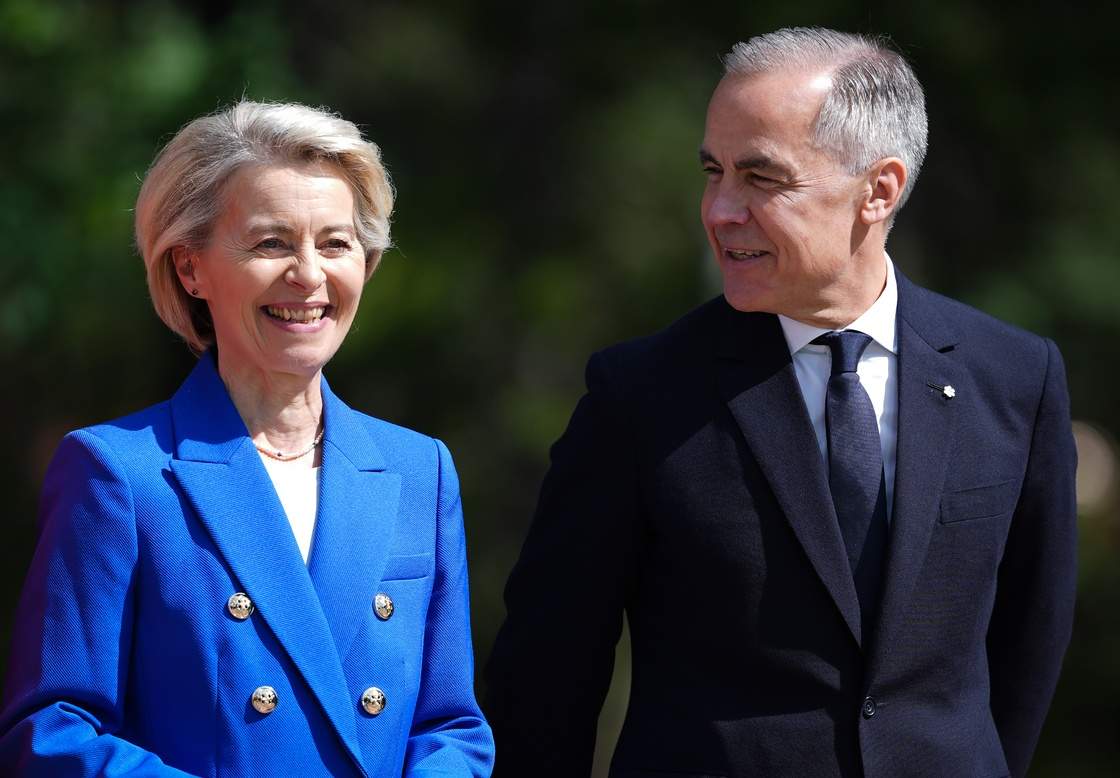
Mark Carney is scheduled to address the European Parliament next month, stepping onto a legislative stage where financial policy, climate mandates, and geopolitical friction intersect. This upcoming appearance arrives at a volatile moment for Western economic coordination. Observers tracking transatlantic relations recognize that Carney brings a distinct brand of central banking pragmatism mixed with green finance advocacy to the podium.
Brussels is bracing for a speech that will likely challenge traditional orthodoxies. When a former governor of both the Bank of Canada and the Bank of England talks, institutional markets listen. Yet this address carries heavier stakes than a routine academic lecture or a central bank retrospective. The European Union faces stagnant growth, fractured energy markets, and shifting trade dynamics with Washington and Beijing. Carney enters this environment not as a sitting official, but as a heavyweight architect of global economic thought who has spent years trying to align private capital with public climate goals.
The Brussels Pressure Cooker
The European Parliament is currently a battleground of competing economic philosophies. Industrial competitiveness clashes daily with stringent regulatory compliance. Lawmakers are exhausted by the friction between maintaining economic velocity and enforcing aggressive environmental benchmarks. Into this legislative pressure cooker steps Carney.
His appointment to chair Brookfield Asset Management and his previous leadership roles give him a dual vantage point. He understands the bureaucratic machinery of the state and the cold calculus of private asset allocation. European parliamentarians want answers on how to unlock private capital without sacrificing democratic accountability. The problem is that capital goes where it is treated best, not where politicians wish it would go.
Carney has long argued that traditional financial accounting fails to price long-term ecological and systemic risks. Critics counter that forcing commercial lenders to act as social engineers distorts credit allocation and strangles growth. This ideological fault line defines the current European legislative session. When Carney takes the floor, he will not just be speaking to empty benches or score-settling politicians. He will be addressing the structural paralysis of the European single market.
Capital Flows and Climate Realism
The core tension of the upcoming address centers on transition finance. Brussels wants a massive mobilization of private wealth to fund decarbonization. Yet investors remain wary of regulatory overreach, inconsistent taxonomies, and sluggish judicial enforcement across member states.
Consider how this plays out in practice. A multinational energy firm considering a multi-billion-dollar infrastructure project in the North Sea must navigate twenty-seven different regulatory interpretations. Add European Union green mandates to that mix, and the timeline stretches from years into decades. Carney has historically championed frameworks like the Glasgow Financial Alliance for Net Zero. These initiatives aim to standardize how financial institutions measure and report climate risk.
Skeptics argue these frameworks create bureaucratic bloat that penalizes developing sectors while shielding entrenched incumbents. During his parliamentary address, Carney must reconcile his grand vision of sustainable capitalism with the gritty reality of corporate balance sheets. If he offers only high-minded rhetoric, legislators will nod politely and ignore him. If he provides actionable mechanisms to de-risk green investments, he might shift the legislative needle.
The Transatlantic Divide
Beyond European borders, global trade tensions form the unspoken backdrop of this visit. Brussels feels squeezed between an aggressive American industrial policy under the Inflation Reduction Act and China's state-subsidized manufacturing juggernaut. European industrial output is migrating toward cheaper energy markets across the Atlantic.
Carney has spent considerable time analyzing the fragmentation of the global trading system. He understands that the era of hyper-globalized, frictionless supply chains is over. Nations are prioritizing national security and economic resilience over pure efficiency. This shift fundamentally alters the calculus for European policymakers who built their economic model on open borders and export-led growth.
European Parliament members will look to Carney for guidance on navigating this fractured landscape. Can Europe carve out a sovereign third way between American protectionism and Chinese state capitalism? Or is the continent destined to become a regulatory museum while tech and energy innovation happens elsewhere? Carney's past commentary suggests he believes Europe possesses the institutional depth to compete, provided it strips away redundant regulations that protect the past at the expense of the future.
The Political Calculus
Timing in politics is everything. By addressing the parliament next month, Carney places himself squarely in the middle of ongoing budget negotiations and strategic debates over the future of the European Union's economic union. Populist factions within the parliament are pushing back against central Brussels directives, demanding a return to national autonomy over industrial and fiscal policy.
Carney's presence will undoubtedly draw protests from both the radical right, who view climate finance as an elite imposition, and the radical left, who see private asset managers as predatory capitalists. Navigating this hostile room requires a delicate touch. He cannot afford to sound like an out-of-touch technocrat lecturing struggling nations on macroeconomic theory. He must speak directly to the anxieties of working-class Europeans who feel left behind by rapid industrial transitions.
The financial sector will dissect every sentence for clues about where global interest rates, regulatory compliance, and energy pricing are heading. Institutional investors do not care about political theater. They want to know if European regulatory frameworks will stabilize or if compliance costs will continue to eat into operating margins.
When the applause fades next month, the structural challenges facing the European Parliament will remain entirely unchanged. The energy deficit will persist. The regulatory burden will stay heavy. The geopolitical squeeze from Washington and Beijing will tighten. Yet how European lawmakers interpret Carney's prescription could dictate the continent's economic trajectory for the next decade. The address is not merely a speech on a calendar. It is a stress test for the viability of European capitalism in a disordered world.