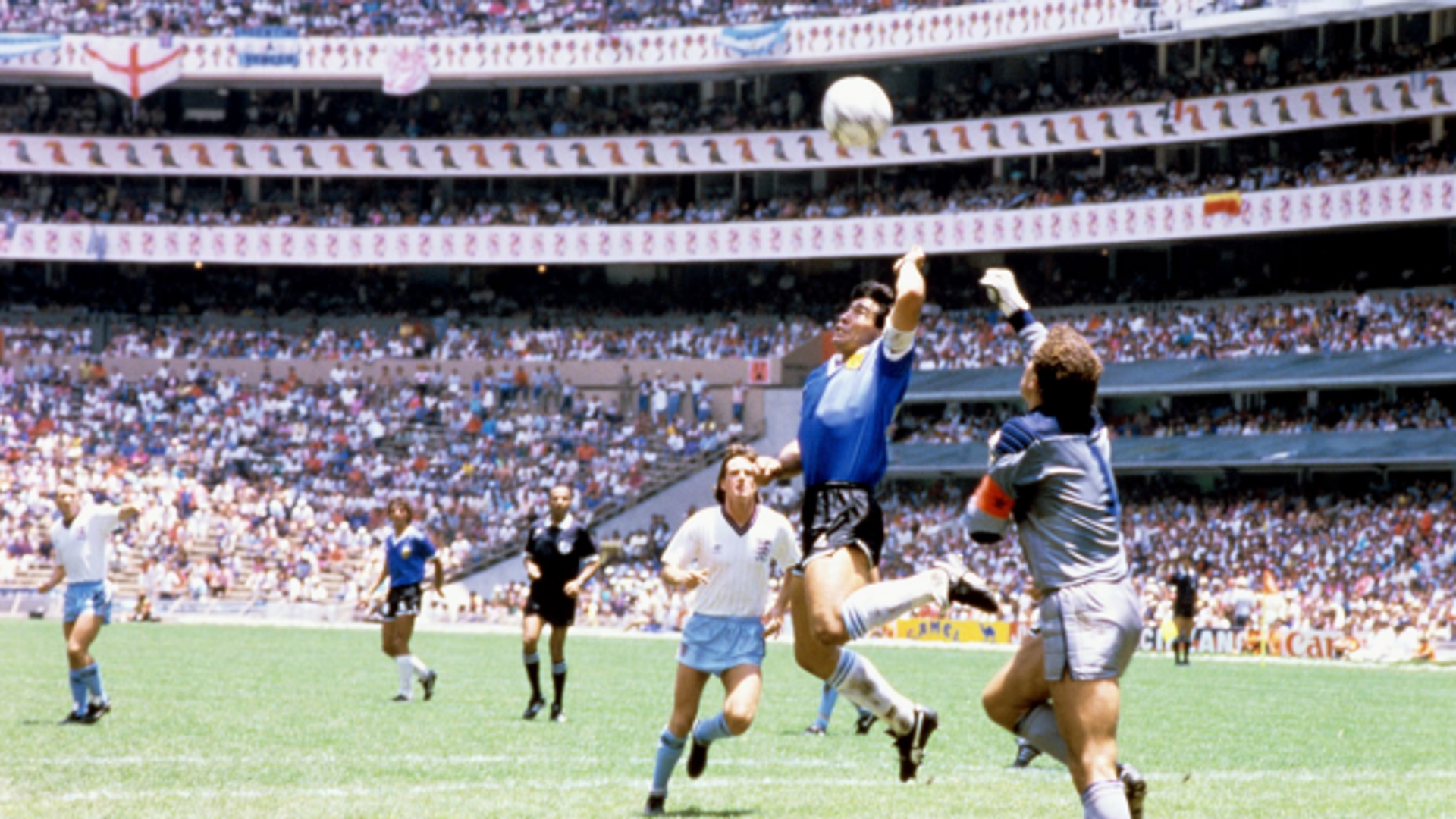
Picture a soccer legend dribbling down the pitch. Diego Maradona didn't actually weave wildly past every English defender in 1986. He mostly ran in a straight line. The defenders simply panicked, anticipated moves he never made, and threw themselves out of position.
Former Bank of England Governor Mervyn King saw absolute genius in that chaos. He turned it into a core monetary framework known as the Maradona theory of interest rates. Central banks don't always need to swing heavy policy hammers. They just need financial markets to scare themselves into doing the heavy lifting.
How Central Banks Weaponize Expectations
Most people think monetary policy works like a thermostat. Rates go up, spending cools down. Rates drop, borrowing surges. Reality is far messier.
When a central bank communicates effectively, market participants price in future shifts long before officials vote on a change. Bond yields move, mortgage rates adjust, and corporate credit tightens because traders fear what might happen next. The institution walks in a straight line while everyone else dances around ghosts.
Think about how this plays out in real time. Officials drop subtle hints about sticky inflation or upcoming tightening cycles. Commercial banks react immediately. Borrowers lock in fixed rates early. The economy slows down without the central bank ever touching its base rate.
That is the power of psychological positioning.
When the Magic Trick Fails
Markets aren't gullible forever. If a central bank cries wolf too many times, traders stop flinching.
During periods of severe supply shocks, geopolitical instability, or runaway commodity prices, market psychology breaks down. When actual inflation prints high month after month, forward curves stop believing in empty threats. Traders demand hard proof. They want actual rate hikes, not clever speeches or football analogies.
We saw versions of this friction play out repeatedly across global markets. When structural debt is high and energy supplies wobble, psychological guidance loses its grip. Central bankers find themselves forced to actually move, because the defenders refuse to bite on the fake.
Reading Between the Lines
If you trade bonds, manage corporate debt, or just want to understand where borrowing costs are heading, stop staring only at current policy announcements. Watch the spread between short-term expectations and long-term yields.
Pay close attention to how institutional investors react to central bank speeches. If markets shrug off hawkish warnings, expect officials to double down or eventually feel pressured to shock the system. Master the psychology, track the forward curves, and remember that in modern finance, the threat is usually half the battle.