The map on the desk in Kyiv does not look like paper anymore. It looks like a scar. Red lines drawn in grease pencil mark the advance, the retreat, the stagnant trenches where the frost bites through two pairs of wool socks and the silence is worse than the artillery because silence means the snipers are awake.
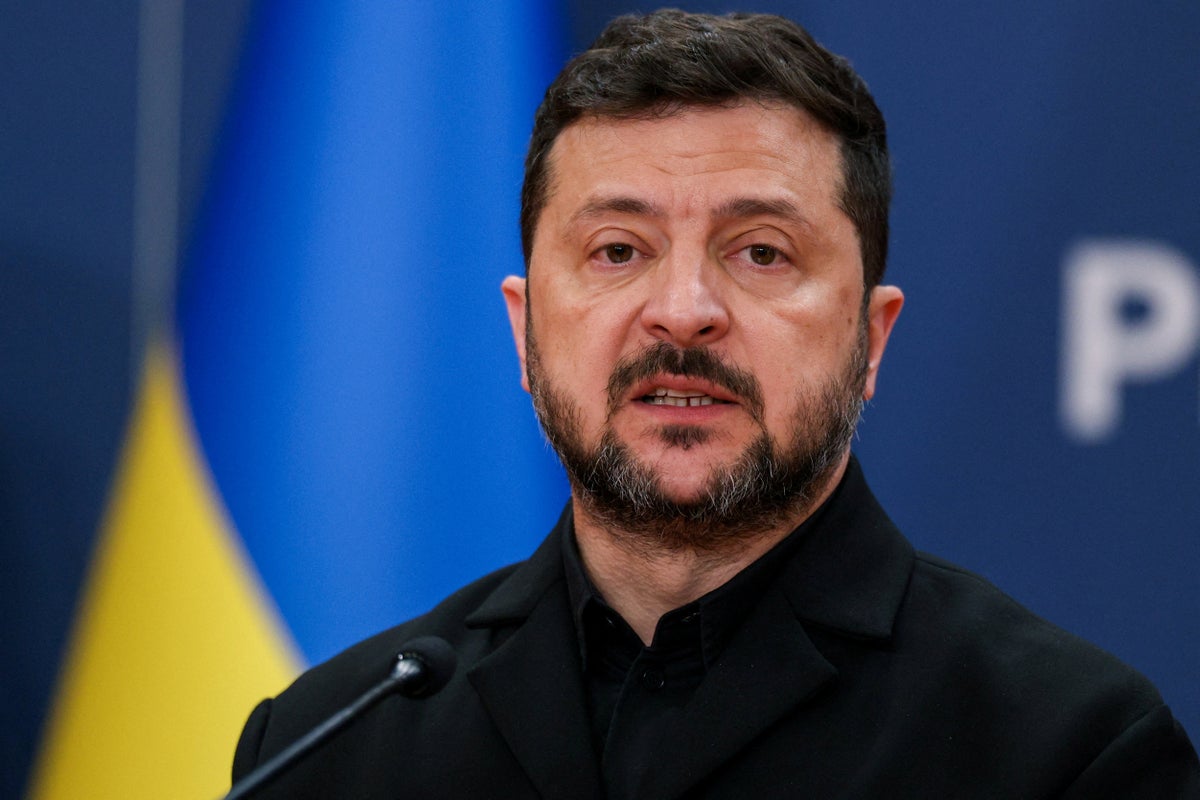
President Volodymyr Zelenskyy stands before that map, his sleeves rolled up, listening to the heavy footsteps in the corridor. A new delegation is arriving. Not soldiers this time, but planners. Diplomats. Negotiators carrying briefcases stamped with the seal of Donald Trump’s incoming foreign policy team. They have flown thousands of miles from the polished glass and humming air conditioning of Washington to a city where the air smells of wet brick, diesel exhaust, and the bitter copper tang of old snow.
Peace sounds like a clean word. In the abstract, it tastes like spring water. But down here, in the grey February slush of Eastern Europe, peace is a negotiation over inches of cemetery earth and the sovereignty of children who have learned to sleep through the concussions of air defense systems.
Consider what happens when superpowers collide over a kitchen table.
For months, the cadence of the war has been dictated by the brutal physics of attrition. Shells running low. Factories in Ohio and Germany working double shifts to forge artillery tubes. Drones buzzing like angry hornets through skeletal pine forests. Everyone has been waiting for an inflection point. Everyone has been waiting for Washington to blink, or to double down, or to hand down a decree from the clouds.
Now, the decree is arriving in a delegation.
The strategy behind these incoming talks is as opaque as it is urgent. The team assembled under the new American administration wants an exit ramp. They look at the ledger sheets of billions in aid, the spiraling national debt, the political exhaustion of a weary electorate, and they ask the hard, transactional question: When does the bleeding stop?
To understand this impulse, imagine running a family hardware store where every window has been shattered by a neighborhood storm. You keep buying glass. Month after month, you hand over your savings to fix the panes, until the glassmaker stops even asking for payment and just starts sending the bill to your grandchildren. At some point, pragmatism whispers a terrible question. How much longer can we afford to rebuild what keeps breaking?
That is the ledger view. That is the view from Washington.
But step outside the air-conditioned hotel in Kyiv where the preliminary briefings are taking place. Walk down past the sandbagged monuments where elderly women sell spring tulips wrapped in damp newspaper. Ask them about the ledger.
They will look at you with eyes that have hollowed out, eyes that have watched apartment blocks fold inward like paper houses. They will tell you that peace without a guarantee is not peace at all. It is just an intermission. It is an invitation for the tanks to roll back across the border the moment the grass grows green enough to hide them.
This is the chasm the American peace team must bridge. They are walking into a room where compromise feels dangerously close to suicide.
In Moscow, the reception will be altogether different, though cut from the same cynical cloth. Vladimir Putin waits behind his massive white oak desk, watching the same satellite feeds, counting the same bodies. His economy is a warped engine of war, churning out T-90 tanks while butter becomes a luxury item for the provincial working class. He believes time is his general. He believes that if he can wait out the American electorate, if he can outlast the political will of the West, the map will eventually redraw itself entirely in his favor.
When Trump’s envoys touch down in Russia, they will not be greeted with the desperate camaraderie found in the Ukrainian capital. They will meet a wall of cold imperial nostalgia. The demands from the Kremlin will be staggering, non-negotiable, designed to humiliate. They will ask for territory that has been scorched clean of its inhabitants. They will ask for the dismantling of a nation's right to choose its own allies.
And this is where the grand illusion of quick-fix diplomacy shatters against the rocks of reality.
You cannot simply split the difference between an aggressor and the aggrieved and call it justice. If you draw a line through a living room, someone is forced to sleep on the floor of the porch.
Yet, diplomacy is rarely about justice. It is about leverage. It is about finding the precise pressure point where both sides realize that continuing down the road of total destruction costs more than the bitter pill of compromise.
The men and women carrying these peace proposals are walking a tightrope strung over an active volcano. On one side stands the sovereign right of a democratic nation to exist without a boot on its throat. On the other stands the grim nuclear reality of a desperate autocracy that refuses to lose face.
Back in the command bunker, the briefing binders are snapped shut. The coffee has gone cold in the styrofoam cups. The translators stretch their jaws, preparing for the semantic combat of words like concession, buffer zone, sovereignty, and guarantee.
Outside, the air raid siren begins to wail. It is a sound so familiar now that stray dogs do not even lift their heads from the curbs. The diplomats flinch, just slightly, adjusting their ties, checking their watches, stepping forward into the smoke.
The snow continues to fall over the Dnieper River, turning the grey slush into a clean, blinding white, if only for a few moments before the soot settles again.