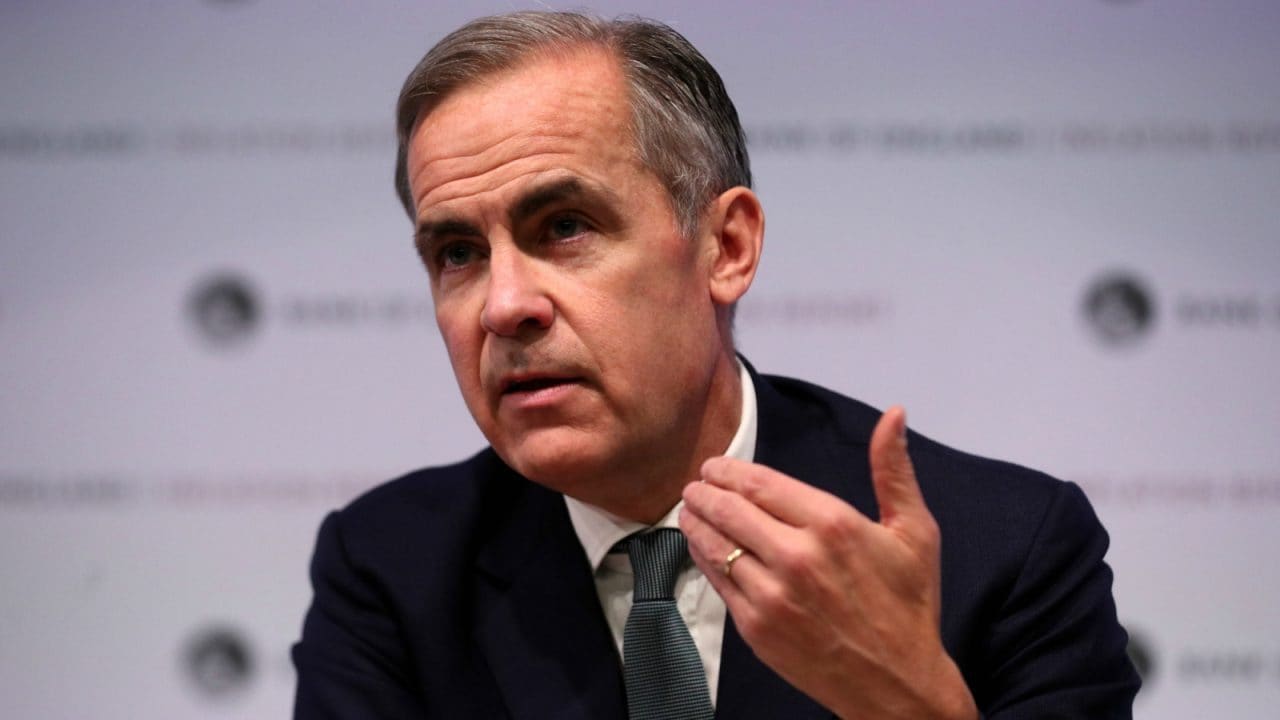
The air inside the Prime Minister’s office doesn’t smell like power. It smells like old paper, floor wax, and the faint, metallic scent of a cooling laptop. When Mark Carney leans forward, he isn't just a politician or a former central banker managing a G7 nation. He is a man looking at a map that is currently on fire.
We often talk about "geopolitical tensions" as if they are weather patterns—distant, inevitable, and abstract. But for a father in a Toronto suburb watching his heating bill climb, or a tech entrepreneur in Bangalore wondering if her supply chain just evaporated, these tensions are not abstract. They are the kitchen table. They are the rent. They are the future we thought we had already bought and paid for.
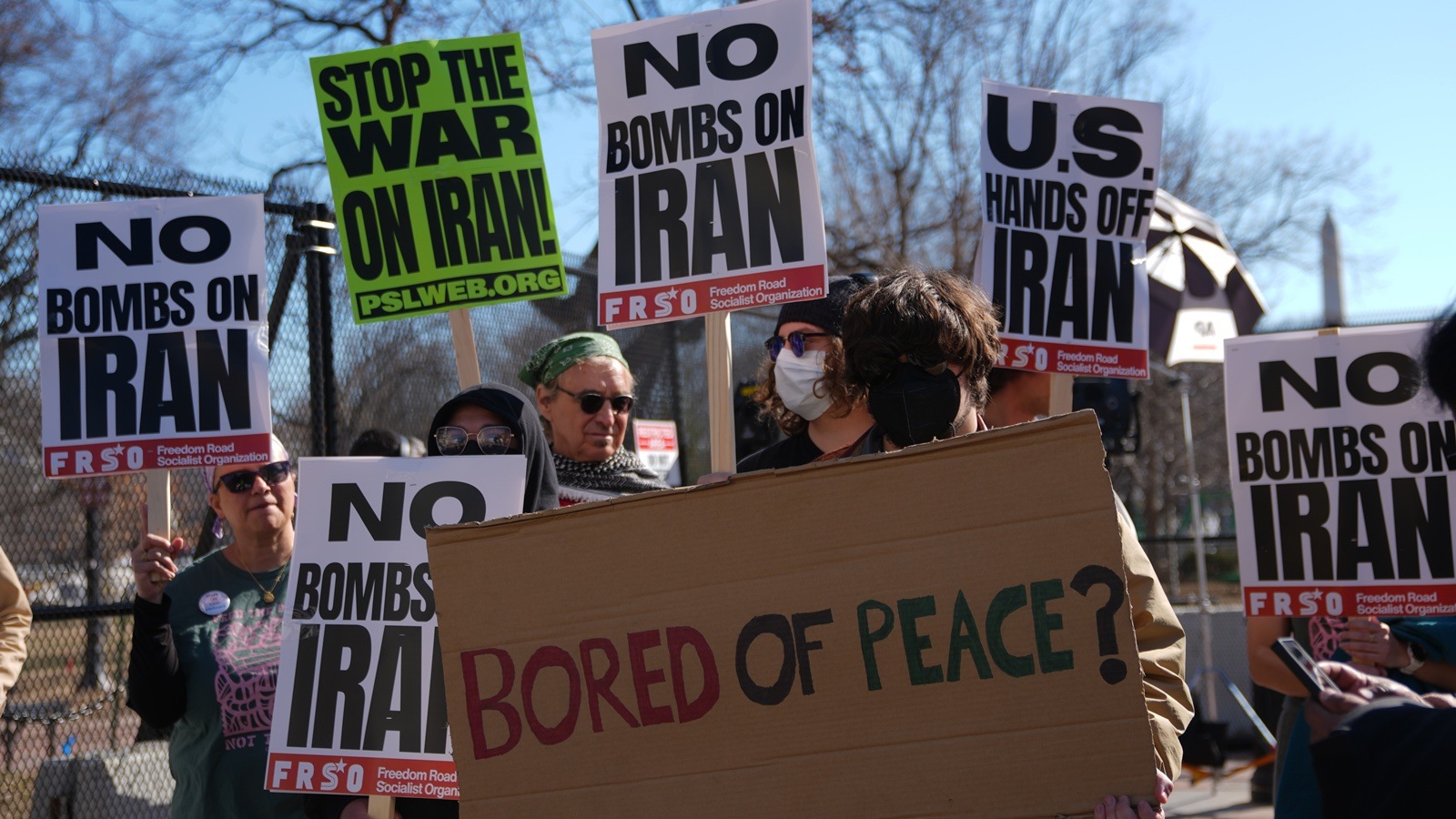
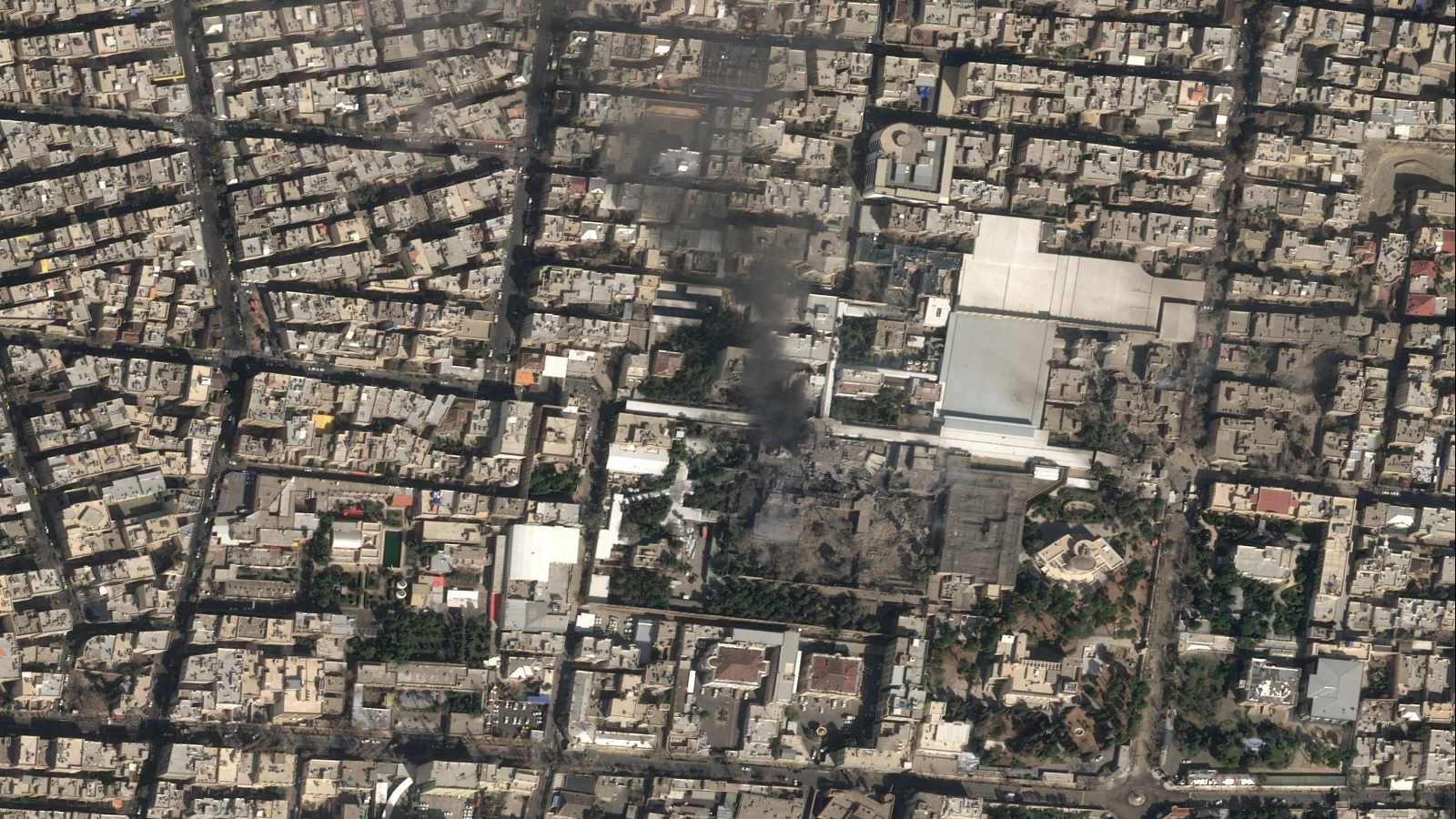
The situation between Israel and Iran has moved past the stage of shadow boxing. We are now in the era of the direct hit. When a missile crosses a border in the Middle East, it doesn't just land in the desert. It lands on the floor of the New York Stock Exchange. It lands in the gas tanks of every commuter in the West. It vibrates through the delicate architecture of global trade.
The Ghost in the Machine
Carney understands something that many of us try to ignore: the global economy is a creature of sentiment. It lives on trust. It breathes on the assumption that tomorrow will look more or less like today. When that trust breaks, the machine begins to grind.
Imagine a massive, interconnected clock. Each gear represents a nation’s economy. For decades, we polished these gears, making them smaller, faster, and more efficient. We called it globalization. It worked beautifully until the sand started getting in. Now, the gears are jamming.
The escalations in the Middle East act as that sand. They force investors to pull back, to hide their capital in the digital equivalent of a mattress. This "flight to safety" sounds prudent, but it has a cost. It means the money that was supposed to fund a new green energy startup or a local housing project suddenly vanishes. It goes to ground. The world slows down.
Carney’s challenge isn't just to manage a domestic budget; it’s to convince a nervous world that the clock can still tick. He is operating in a reality where a single headline can wipe out a month of economic growth. That is the invisible stake. It isn't just about who wins a skirmish; it’s about whether the global financial system can survive the stress test of a multi-front war.
The Long Road to New Delhi
While the world stares at the fire in the Levant, Carney is also quietly tending to a different kind of garden. The relationship between Canada and India has been, to put it mildly, frozen. It was a diplomatic winter that felt like it might never end.
Think of two neighbors who used to share tools and host dinners, but now won't even look at each other over the fence. The reasons are complex—allegations, sovereignty, hurt pride. But the fence is getting expensive for both of them.
Canada needs India. India needs Canada. This is the "strategic reset" that sounds so clinical in a press release but feels so heavy in reality. For Canada, India represents a demographic engine that can’t be ignored. It is the world’s most populous nation, a burgeoning middle class hungry for the very resources and technology Canada possesses. For India, Canada is a gateway to North American stability and a source of the energy and food security required to fuel its rise.
A reset isn't a simple apology or a signed paper. It is a slow, grinding process of building back the muscle memory of cooperation. It’s about small wins. A trade mission here. A student visa clarification there. It’s about acknowledging that the friction of the past is a luxury neither country can afford in a world that is becoming increasingly volatile.
The Price of Silence
We often wonder why leaders don't just "fix it." Why can't we just lower the prices? Why can't we just stop the fighting?
The answer lies in the fragility of the status quo. Carney is navigating a "polycrisis"—a term that sounds like academic jargon until you realize it means everything is breaking at once. You fix the inflation, and the unemployment spikes. You secure the border, and the trade stops. You support an ally, and the energy prices soar.
Consider a hypothetical family in Vancouver. Let's call them the Millers. They aren't following the intricacies of the Canadian-Indian diplomatic reset. They aren't reading the tea leaves of Iranian drone capabilities. But they feel the result. They feel it when the price of lentils goes up because trade routes are restricted. They feel it when their mortgage renews at a rate that makes them sick to their stomachs because global uncertainty has driven up the cost of borrowing.
These are the people Carney is ultimately answering to, even when he’s speaking to international bankers. The human element of a "global market" is the sum total of every individual's anxiety. If people are afraid, they don't spend. If they don't spend, the economy shrinks. If the economy shrinks, the social fabric begins to fray.
It is a domino effect where the first tile is tipped by a hand halfway across the planet.
The New Map
The old map of the world was simple. There were the "developed" nations and the "developing" ones. There were friends and there were foes.
That map is useless now.
Today, the map is a web of dependencies. Canada is an energy superpower, but it is also a nation that relies heavily on the stability of international laws that are being challenged every day. Carney’s vision for Canada is one of a "pivot state." It’s the idea that a middle power can act as a stabilizer, a bridge between the old guard of Europe and the rising giants of the Indo-Pacific.
But being a bridge is dangerous. You get walked on from both sides.
To make this work, Carney has to play a high-stakes game of economic diplomacy. He has to signal to the markets that Canada is a safe harbor while simultaneously telling Canadians that the days of "business as usual" are over. The reset with India is the first major test of this new reality. Can we move past grievances to secure a mutual future? Or are we destined to let the ghosts of the past dictate the wealth of the next generation?
The Friction of Reality
There is a specific kind of exhaustion that comes with managing a crisis that has no clear ending. The tensions between Israel and Iran are not going to vanish next week. The rift with India will not be fully healed by one summit.
We are living in the "long friction."
This is the reality Carney is preparing the country for. It’s a world where the cost of everything is slightly higher because the risk of everything is significantly greater. It’s a world where "strategic" is no longer a buzzword, but a survival tactic.
When we hear about "escalating tensions," we should hear the sound of a tightening belt. When we hear about "global markets," we should think of our own bank accounts. Carney’s role is to be the navigator in a storm that has no shore in sight. He is trying to keep the ship upright while the passengers are arguing about the menu.
The stakes are not just numbers on a screen. They are the dreams of people who want to believe that their hard work will still result in a stable life. They are the students who want to study abroad without being pawns in a diplomatic chess match. They are the retirees who need their pensions to stay ahead of the cost of bread.
The map is still on fire. The gears are still grinding. But as Carney moves through the halls of power, the goal isn't just to put out the flames. It's to build a machine that can run on the heat.
History doesn't care about our intentions. It only cares about our resilience. The reset has begun, the missiles have been fired, and the markets have made their bets. Now, we wait to see if the bridge we are building is strong enough to hold the weight of a world that is changing faster than we can print the new maps.
The fire is bright, but it also illuminates the path. We just have to be brave enough to walk it.