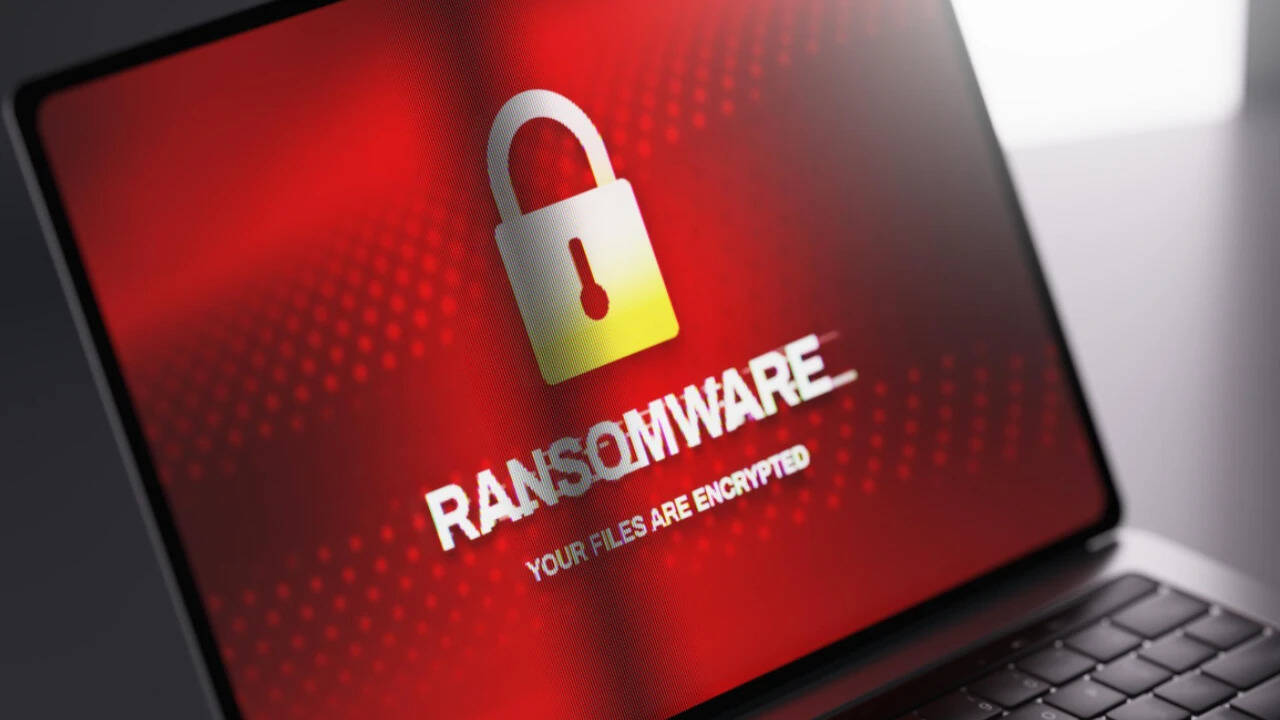
Fear has a very specific sound. In a corporate boardroom at two in the morning, it does not roar. It hums quietly in the casing of a server rack. It smells like stale coffee and the cold sweat of a chief executive officer staring at a glowing red ransom note that demands millions of dollars to unlock the lifeblood of a hospital, a municipality, or a shipping empire.
Into that room steps the expert.
He is the person you call when the digital wolves are at the door. He wears a tailored suit, speaks with the calm cadence of a veteran surgeon, and carries an aura of absolute invincibility. When he tells you that he can handle the crisis, you believe him because you desperately need to believe him. You write the checks. You sign the contracts. You hand over the keys to your digital kingdom and pray for salvation.
Now, imagine pulling back the curtain on that savior.
Federal prosecutors in Florida did just that. They uncovered a staggering deception that turned the cybersecurity consulting model inside out. A prominent Florida ransomware mitigation specialist did not just guide desperate companies through digital sieges; he engineered a shadow game. Over a stretch of time, he collected nineteen million dollars in fees from clients who believed he was deploying advanced threat intelligence, negotiation psychology, and elite counter-offensive tech to keep them safe.
In reality, he was running a shortcut. Behind closed doors, while his clients slept soundly under his manufactured blanket of security, he quietly funneled eight million dollars of their money straight into the digital wallets of the very hackers holding them hostage.
No heroic digital counter-assault. No masterclass in high-stakes corporate negotiation. Just a quiet, illicit middleman skimming a massive profit margin off the terror of others.
To understand how this happens, we have to look past the cold spreadsheets of federal indictments and examine the fragile psychology of a cyber crisis. When a business gets hit by malicious encryption, time is a bleeding artery. Every hour of downtime costs thousands, sometimes millions, in lost revenue, broken supply chains, and shattered public trust. The executives facing this catastrophe are rarely technical wizards. They are business leaders, human beings unequipped for the brutal realities of the underground cybercrime economy.
They want a hero. They pay for a shield. Instead, they got a tollbooth operator.
Consider a hypothetical mid-sized logistics firm facing a total system lockup. The screen flashes a bitcoin wallet address with a ticking countdown. The Chief Information Security Officer panics. They bring in our Florida consultant. The consultant leans against the edge of the mahogany table, sips his lukewarm coffee, and delivers the magic words.
"Leave it to me. I have channels. I have leverage."
Those words are music to a desperate board of directors. They sound like competence. They sound like protection. They sound like an invisible shield forged in the fires of digital warfare.
What the board does not see is the mechanics of the shortcut. Negotiating with sophisticated ransomware syndicates like LockBit or BlackCat requires meticulous vetting, risk assessment, legal navigation, and compliance checks with federal agencies like the FBI or OFAC to ensure you are not accidentally funding international terrorism. It is hard, exhausting, highly regulated work.
Or, you can simply log onto a dark web forum, drop the demanded cryptocurrency into the hacker's wallet, take a cut of the inflated fee charged to the client, and pocket the difference as a consulting markup.
It is the oldest grift in the world, updated for the fiber-optic age. The digital equivalent of hiring a high-priced mercenary who secretly cuts a deal with the invading army to split the plunder.
The fallout from this betrayal goes far beyond the nineteen million dollars extracted in fees or the eight million funneled to cybercriminals. Every time a trusted advisor cuts a silent check to a hacker, they validate the business model of extortion. They teach criminal syndicates that American businesses are soft targets willing to pay exorbitant ransoms without a fight. They bypass the law enforcement networks designed to track these transnational criminal rings, starving investigators of critical intelligence that could help dismantle the infrastructure of global hacking cartels.
Trust is the ultimate currency of the digital age. Without it, commerce grinds to a halt. When the people we hire to protect us become part of the threat landscape, the foundations of modern enterprise begin to fracture.
We live in an era where technology moves faster than our collective moral compass. We build vast, interconnected digital architectures that span continents, yet we rely on human integrity to hold them together. When that human element fails—when greed whispers louder than professional ethics—the most sophisticated firewalls in the world become completely useless.
The server racks keep humming in the dark. The red notes still flash on corporate screens. And somewhere out there, another desperate executive is reaching for the phone, dialing a number, hoping against hope that the voice on the other end is truly on their side.