The laboratory smelled of cooling oil, ozone, and the quiet desperation of midnight experiments.
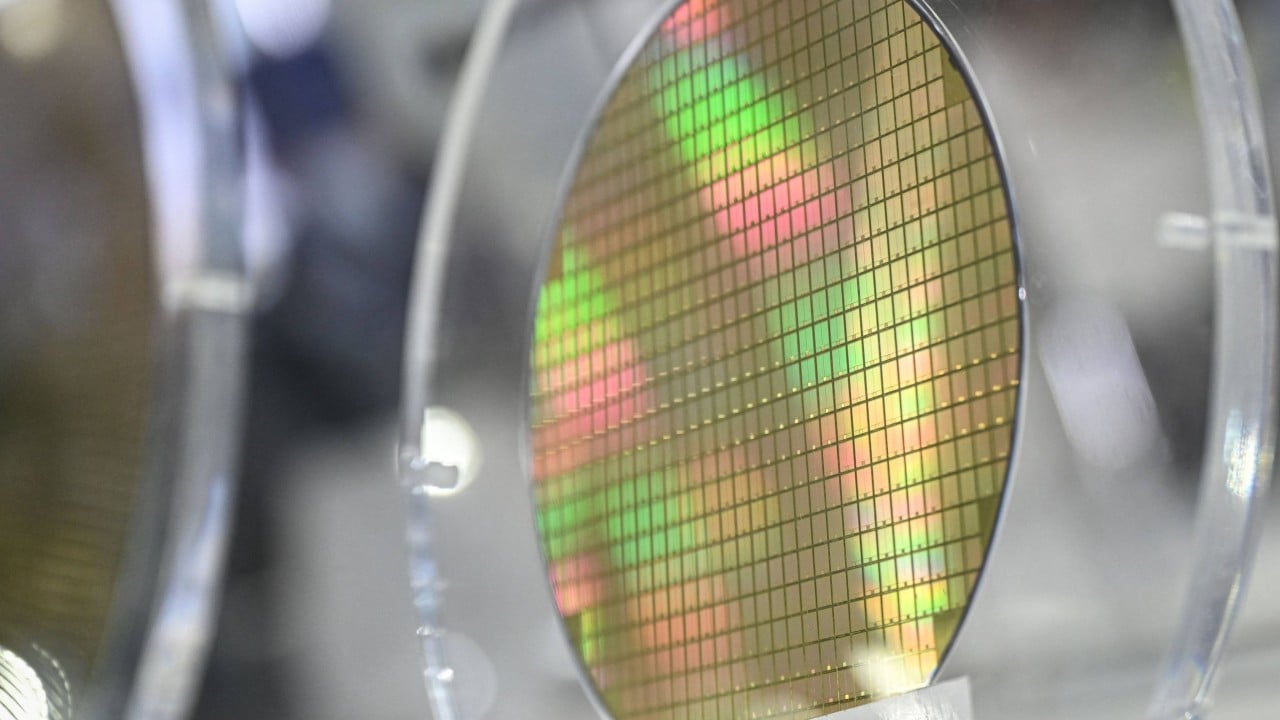
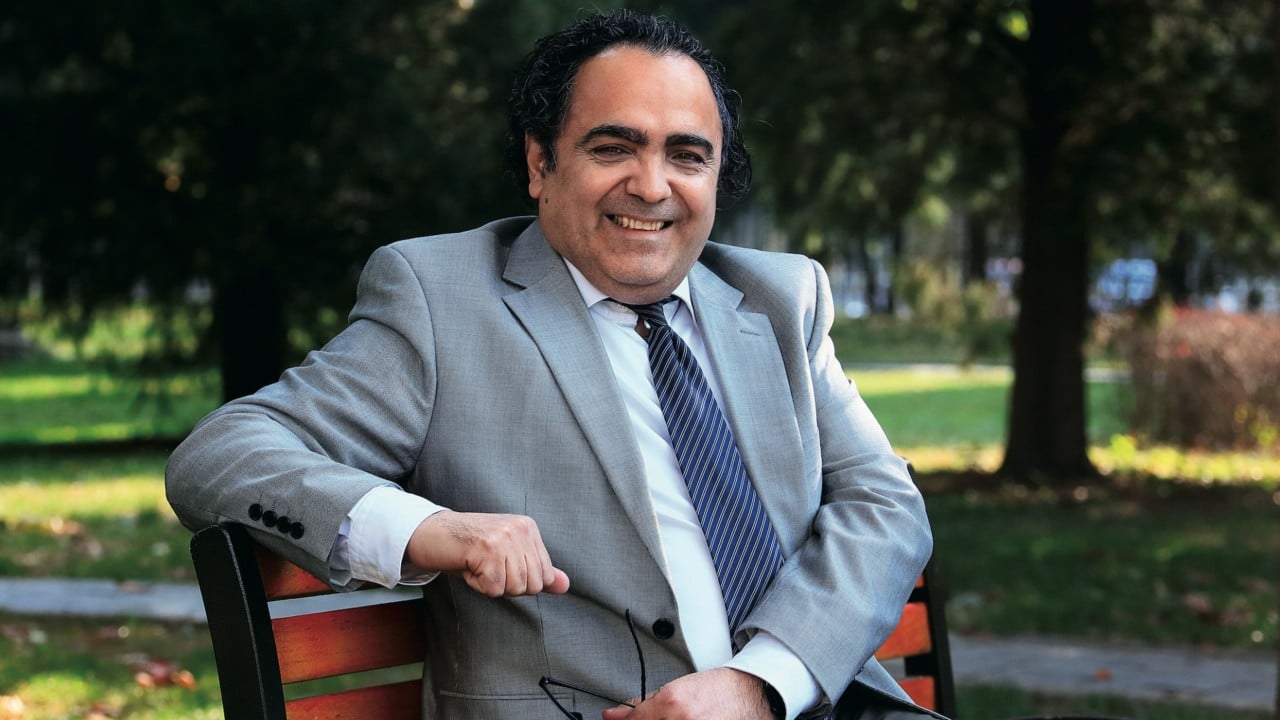
Silence hung thick between the benches. Outside, the world slept, wrapped in the illusion of its own permanence. Inside, a silicon wafer rested under the lens of a microscope, its topography of microscopic gates and pathways catching the amber glow of a desk lamp. To most, it was just a piece of processed sand. To Henry Homayoun Radamson, it was a universe waiting to be understood. For an alternative look, read: this related article.
He bent over the equipment. His breath was steady. His hands, weathered by decades of academic pursuit and hands-on fabrication, moved with the practiced grace of a watchmaker.
Then, the heart stopped. Further coverage on the subject has been shared by MIT Technology Review.
News travels strangely across continents. It starts as a whisper in a Beijing hospital, bounces through diplomatic channels, and lands as a stark, cold bulletin on a news ticker. Henry Homayoun Radamson was gone. Sixty-three years old. A sudden illness, they said. The kind of phrase that sanitizes human tragedy into administrative data.
But behind that dry headline lies a story about obsession, migration, and the invisible architecture of the modern era.
The Journey Across Worlds
Henry was not born into the sterile white rooms of high-tech cleanrooms. His journey began far from the elite institutes of Sweden and China, forged through the relentless curiosity that drives certain minds to look at a stone and wonder how to make it think.
Think about how we build our world today. Every swipe of a glass screen, every navigation prompt, every automated pulse in a hospital monitor relies on the microscopic dance of electrons across semiconductor grids. We treat these marvels as ambient air—invisible, weightless, and infinitely renewable. We rarely pause to consider the human toll required to etch a pathway smaller than a strand of DNA onto a disc of silicon.
Henry understood that toll. He spent his life bridging worlds. Born in Iran, his academic path led him across borders, eventually finding a intellectual home in Sweden. At the KTH Royal Institute of Technology in Stockholm, he became a fixture of semiconductor research. He was the kind of scholar who did not merely lecture about physics; he coaxed performance out of unyielding materials.
When a scientist of his caliber moves across the globe, it is never a casual commute. It is a migration of knowledge. In recent years, his work took him to China, a nation racing to secure its place at the apex of microelectronics manufacturing. In laboratories far from his adopted Scandinavian home, he poured his remaining years into teaching, refining, and pushing the boundaries of what semiconductor components could endure.
Consider what happens when a mind like that goes dark.
The Weight of the Microscopic
Physics does not care about borders. Silicon atoms arrange themselves in precise crystal lattices whether they are synthesized in Stockholm, Silicon Valley, or Beijing. Yet, the human machinery required to study them is fragile.
We often talk about the global chip race in terms of billions of dollars, supply chain blockades, and geopolitical leverage. We draw arrows on maps. We count fabrication plants like medieval castles. We forget the people holding the pipettes.
Henry was one of those rare figures who lived at the intersection of extreme abstraction and gritty manual execution. Semiconductor research is notoriously punishing. It demands an almost monastic devotion. Experiments fail quietly in the dark. A microscopic speck of dust can ruin weeks of meticulous doping and etching. To survive in this field for decades requires a stubborn, beautiful kind of hope.
He possessed that hope. Those who worked alongside him remember a man of intense focus, yet one who possessed the patience required to explain complex bandgap theories to stumbling graduate students. He did not hoard knowledge. He distributed it, scattering seeds of understanding across two continents.
When the announcement of his passing emerged, the academic community absorbed a collective shock. Sixty-three is an awkward age in modern science. It is a time when a researcher should be entering their golden harvest—synthesizing a lifetime of trial and error into definitive breakthroughs, mentoring the final waves of students before stepping back.
Instead, the lab door simply closed.
The Unfinished Circuit
Walk into any modern university laboratory late at night, and you will recognize the atmosphere. The low hum of ventilation systems. The blinking blue light of a server rack. The stale coffee in a chipped mug.
It is easy to look at technology as an autonomous beast. We fear artificial intelligence taking over. We fret over algorithms making decisions in milliseconds. We treat our devices as if they spawned from the ether, fully formed and self-sustaining.
They did not. They were forged by people like Henry. People who traded their youth, their health, and their quiet hours for the sake of making things smaller, faster, and more reliable.
When Henry Homayoun Radamson drew his last breath in China, a link in an invisible chain snapped. The global ecosystem of semiconductor science lost not just a senior researcher, but a living repository of technique and intuition that cannot be downloaded from a cloud server or replicated by a machine learning model.
The lab benches in Beijing and Stockholm remain. The microscopes are still calibrated. The silicon wafers still wait under the amber lamps.
The current continues to flow through the etched gates of the chips he helped conceptualize, carrying data across oceans in the blink of an eye, completely indifferent to the quiet absence of the man who spent his life learning how to speak their language.
In the quiet hum of the server room, the work goes on. But the light is a little dimmer tonight.