Egypt’s current inflationary crisis is not a singular event but the result of a multi-vector supply chain disruption where geographic proximity to conflict acts as a persistent tax on every unit of domestic consumption. While conventional reporting focuses on the emotional toll of rising prices, a structural analysis reveals that the Egyptian economy is trapped in a pincer movement between decimated Suez Canal revenues and a structural dependency on imported caloric stability. The cost of living in Cairo is no longer a reflection of local productivity; it is a live-feed ticker of Red Sea risk premiums and the volatility of the Black Sea grain corridor.
The Triple Crisis Framework
To understand why a distant war translates into a 40% increase in the price of local poultry or bread, we must categorize the pressure points into three distinct pillars of economic erosion.
1. The Fiscal Revenue Evaporation
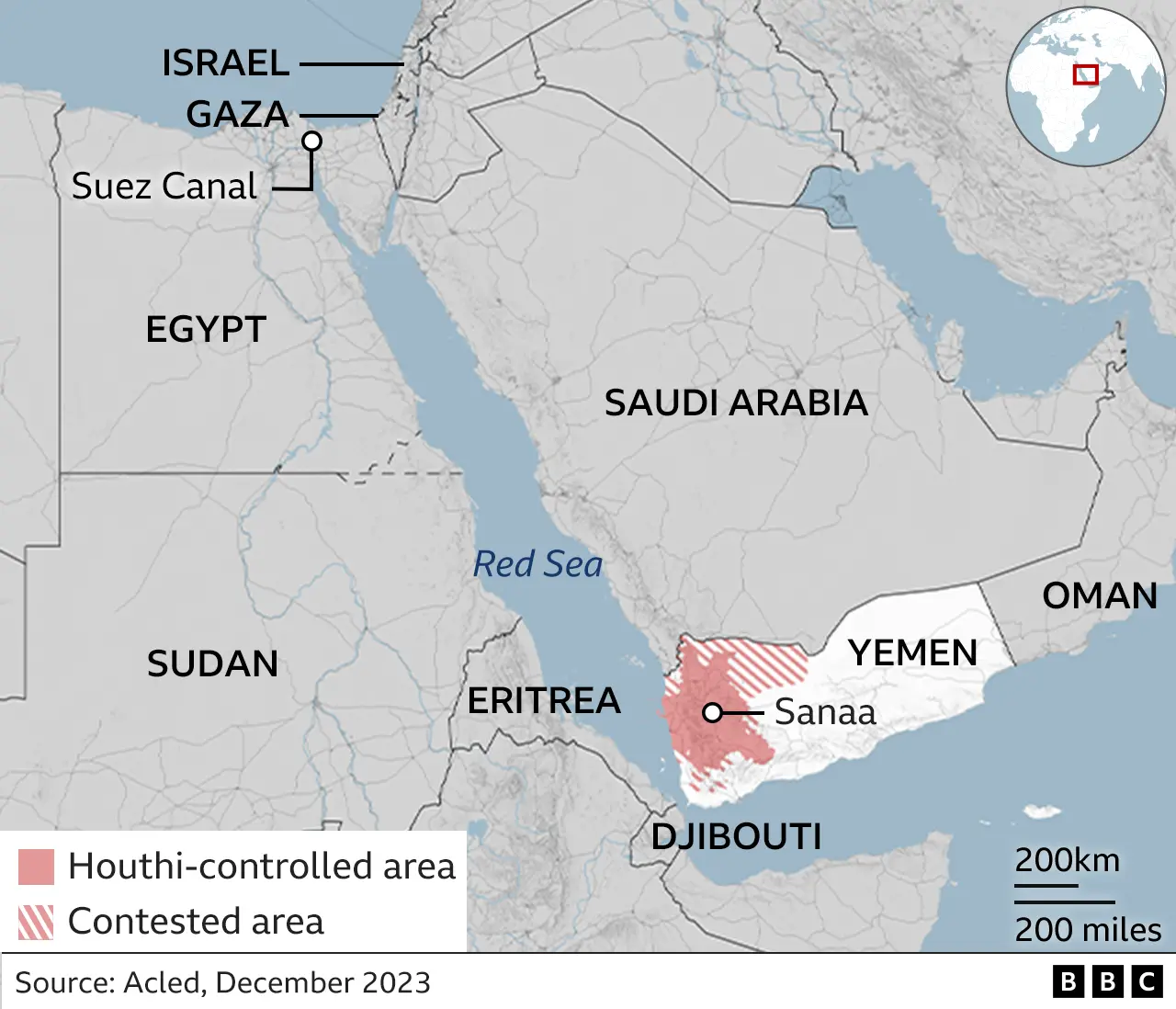
The Suez Canal serves as the primary artery for Egypt's foreign currency reserves. When regional instability forces maritime freight to divert around the Cape of Good Hope, the impact on the Egyptian state budget is immediate and binary. This is not merely a "reduction in traffic." It is a catastrophic loss of the "rent" Egypt collects on global trade.
When these USD-denominated revenues vanish, the Egyptian Central Bank loses its primary lever for defending the EGP. A weaker currency makes every ton of imported wheat, fuel, and fertilizer more expensive before it even reaches a local port. The "Conflict Surcharge" is thus baked into the exchange rate itself.
2. The Caloric Security Gap
Egypt remains the world's largest importer of wheat. This creates a precarious link between global commodity spot prices and domestic social stability. The transmission mechanism works as follows:
- Input Cost Inflation: War in agricultural hubs or shipping lanes spikes the cost of maritime insurance (War Risk Premiums).
- Subsidy Strain: The Egyptian government maintains a massive bread subsidy program. As global wheat prices rise, the fiscal deficit expands to cover the gap between the international purchase price and the fixed domestic sale price.
- Private Market Volatility: While subsidized bread remains available, all other food categories (protein, vegetables, oils) are subject to the "unfiltered" global market, leading to a bifurcated economy where the middle class slides toward the poverty line.
3. The Tourism and FDI Risk Discount
Capital is allergic to proximity to kinetic conflict. Even if Egypt is not a direct combatant, the "Regional Risk Premium" discourages foreign direct investment (FDI) and suppresses the recovery of the tourism sector. Tourism is a high-velocity currency generator; when arrivals drop, the velocity of money in the local economy slows, leading to stagnation in the service sectors that employ a significant portion of the urban population.
The Cost Function of Local Protein
The price of a single egg or a kilogram of chicken in a Giza market is a sophisticated data point representing a global supply chain. To deconstruct this, we apply the Aggregated Input Model:
- Feed Component (70%): Most poultry feed (maize and soy) is imported. If the EGP devalues or global shipping costs rise by 15%, the base cost of keeping a bird alive rises by an equivalent margin plus a "scarcity premium" added by local distributors.
- Energy Component (15%): Transporting feed from ports to farms, and then products from farms to markets, requires diesel. As the state reduces fuel subsidies to meet IMF requirements—a move necessitated by the aforementioned revenue gaps—logistics costs spike.
- The Survival Margin (15%): Local vendors, facing their own rising costs for healthcare, education, and housing, must increase their markups simply to maintain the same real-income level.
Structural Vulnerabilities in the Egyptian Distribution Network
Beyond global factors, the internal architecture of the Egyptian market exacerbates price shocks. The lack of modern, temperature-controlled logistics (cold chains) means that a high percentage of perishable goods are lost to spoilage. This "wastage tax" is passed directly to the consumer. In a period of high inflation, this inefficiency becomes a force multiplier for price increases.
Furthermore, the informal nature of much of Egypt’s retail sector prevents the government from effectively enforcing price caps or monitoring hoarding behaviors. When supply is perceived to be unstable, middle-men often restrict flow to the market to drive prices higher, a rational but predatory response to currency instability.
The IMF Constraint and the Subsidy Dilemma
Egypt’s reliance on international lending creates a policy paradox. To secure the necessary billions in support, the state must implement "austerity" measures, including:
- Transitioning to a flexible exchange rate: This often results in a sharp devaluation, immediately raising the price of all imported goods.
- Removing energy subsidies: This hits the manufacturing and transport sectors, raising the floor price for all domestically produced goods.
- Broadening the tax base: This reduces the disposable income of a population already struggling with a 30% to 40% year-on-year increase in food costs.
These measures are mathematically sound for long-term stabilization but socially volatile in the short term. The "distant war" acts as the catalyst that makes these structural adjustments feel like an insurmountable burden for the average household.
Identifying the "Hidden" Inflationary Drivers
While grain and fuel are the visible drivers, the "invisible" driver is the breakdown of the credit cycle for small businesses. Most Egyptian merchants operate on thin margins and short-term credit. When interest rates are hiked to combat inflation (another IMF-adjacent requirement), the cost of borrowing for a neighborhood grocer to restock their shelves increases. To service this debt, they must raise prices again, creating a feedback loop where the cure for inflation (high interest rates) contributes to its persistence in the retail sector.
The Strategic Path Forward: Vertical Integration and Hedging
For the Egyptian state and private sector to break this cycle of conflict-driven volatility, the strategy must shift from crisis management to structural insulation.
Primary Directive: Agri-Tech and Local Substitution
The only way to decouple the price of local food from the Red Sea risk premium is to reduce the import-to-consumption ratio. This requires massive investment in desert reclamation and high-yield, water-efficient farming. If 20% of the wheat currently imported can be grown domestically through advanced irrigation, the state's USD requirement drops by billions, stabilizing the EGP.
Secondary Directive: Sovereign Hedging
Egypt must move toward more aggressive commodity hedging. By locking in futures contracts for grain and oil during periods of relative stability, the state can act as a buffer for the citizenry, absorbing the shock of a sudden war-driven price spike before it hits the local markets.
The Final Play
The current economic environment in Egypt is a warning that geographic "rent-seeking" (Suez revenues) is an insufficient foundation for a modern state. The immediate strategic requirement is a transition to a production-based economy. Until Egypt produces a higher percentage of its own caloric and industrial inputs, the price of life in Cairo will remain a hostage to events in Gaza, Ukraine, and the Bab al-Mandab strait. The focus must move from managing the deficit to aggressively expanding the domestic supply side, regardless of the short-term fiscal pain.