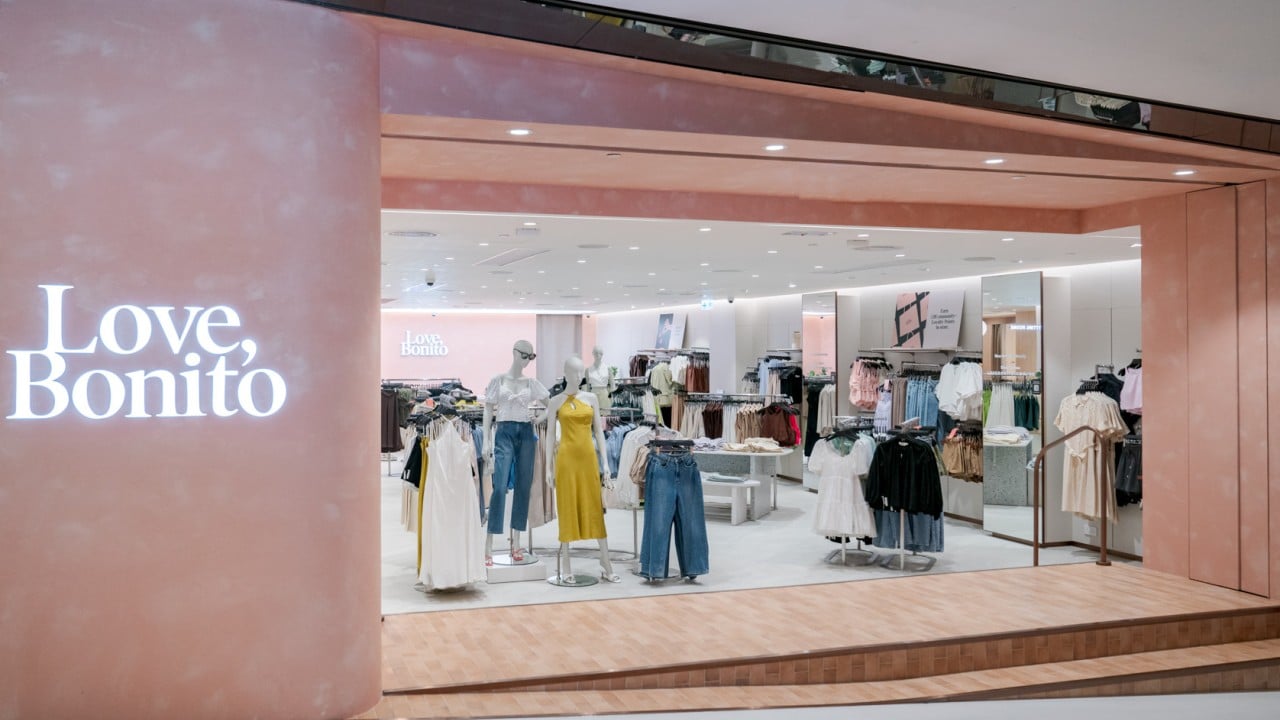
Data breaches happen so often now that most people just shrug, change their password, and move on with their day. But when a major homegrown fashion brand like Love, Bonito alerts its customers to a security vulnerability, it hits a bit closer to home.
If you bought something from their e-commerce platform recently, your personal information might be floating around where it shouldn't be. CEO Dione Song confirmed that a security flaw on July 26 allowed unauthorized access to certain customer accounts.
The company acted quickly, fixing the website issue on the exact same day it was discovered. Speed matters in cybersecurity, and patching a hole within hours stops the bleeding. Still, prevention is always better than damage control.
What Data Was Actually Exposed
Let's clear up the confusion right away because panic always breeds misinformation. According to official notifications sent to affected shoppers, the exposed data includes first and last names, birthdates, email addresses, shipping addresses, and phone numbers.
If you used a payment card for an order, partial payment information—specifically the last four digits and the expiry date—may have also been accessed.
Take a deep breath, though. Full credit card details were not compromised. Love, Bonito maintains that full financial data is processed and stored directly by third-party payment processors rather than held on their own servers. That distinction keeps a bad situation from turning into a total financial disaster.
The Repeat Offender Problem
Here is where things get frustrating for everyday consumers. This isn't Love, Bonito's first rodeo with cybersecurity failures. Back in 2019, the brand suffered another breach that exposed personal data for over 5,500 customers, eventually leading to a S$24,000 fine from the Personal Data Protection Commission (PDPC) in 2022. Investigators found lax password policies back then, including weak administrative credentials.
When a company repeats these mistakes years later, consumer trust takes a massive hit. Shoppers hand over their personal data trusting that multi-million dollar retailers will lock down their digital storefronts. Having a recurring security issue proves that continuous auditing needs to be standard practice, not an afterthought triggered by an emergency.
Why Scam Risks Skyrocket After a Breach
The initial hack is only half the battle. The real danger begins after the data leaks. Scammers love fresh data dumps because they use them to run hyper-targeted phishing campaigns.
Expect an increase in convincing text messages, emails, or phone calls referencing your actual name, past shipping addresses, and recent order history. Scammers use these specific details to trick you into lowering your guard. They pretend to be customer service agents or bank representatives, claiming there is an issue with your account that requires immediate verification.
How to Protect Yourself Right Now
You can't control how secure a retailer's database is, but you can control how you respond to the fallout.
Never share one-time passwords or verification codes with anyone. No legitimate employee from Love, Bonito or your bank will ever ask you for your OTP over the phone or via text message. If someone asks for it, hang up immediately.
Monitor your payment card statements closely over the next few weeks. Look for small, unauthorized test charges, which fraudsters often use to check if a card is active before making a larger purchase. Consider enabling two-factor authentication on your credit cards or locking them through your banking app when you aren't actively shopping.
Register your phone number with Singapore's Do Not Call Registry to cut down on unsolicited telemarketing calls and spam messages that often piggyback on leaked contact lists.
Data leaks are an annoying reality of modern digital life, but staying vigilant shields you from becoming an easy target. Take a few minutes today to check your accounts, update your passwords across different sites, and keep your guard up against unexpected messages.