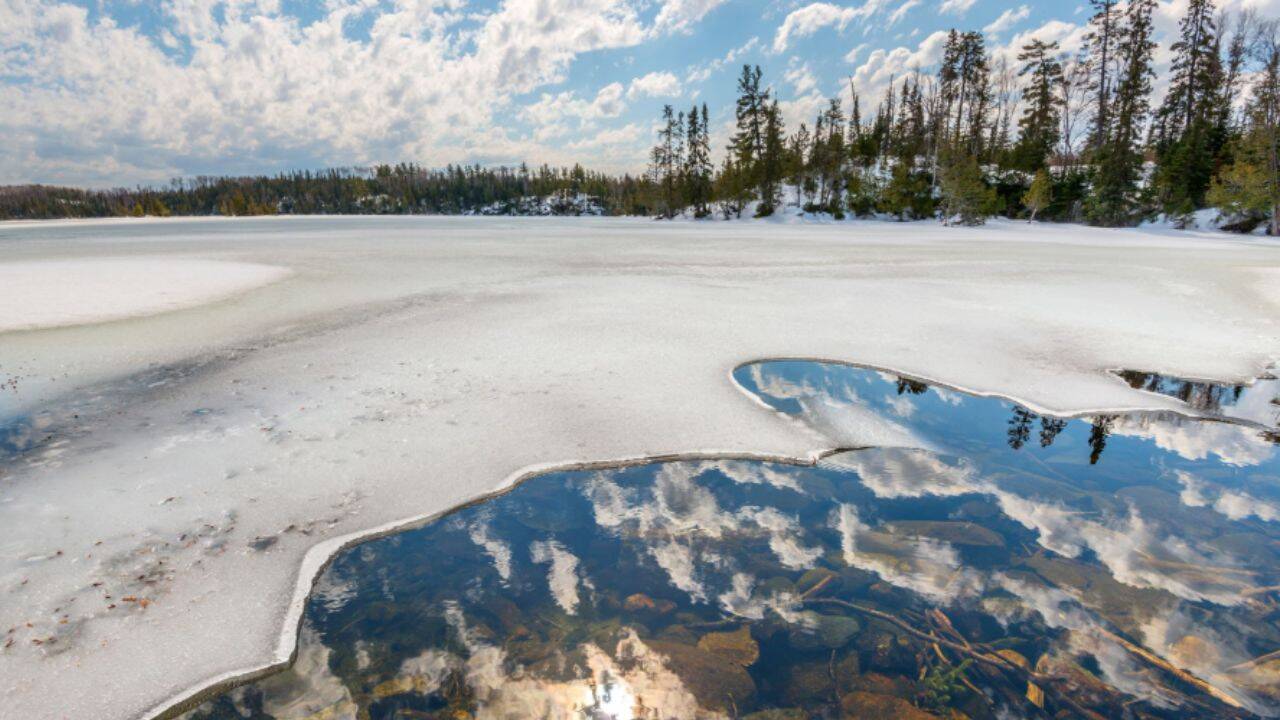
Every winter, the environmental commentariat finds a new way to panic about frozen water. The latest panic-peddling headline warns that Northern Hemisphere lakes are hurtling toward losing roughly forty days of winter ice cover by the year 2100. Grab your parkas, sound the climate alarms, and cue the sad violin music for the polar bears.
Except the entire narrative is built on a fundamental misunderstanding of how aquatic ecosystems actually function. If you enjoyed this article, you should check out: this related article.
I have spent two decades consulting on watershed management and tracking limnological shifts across North America and Scandinavia. I have seen conservation budgets blown on panic-driven initiatives that treat ice cover as an absolute metric of ecological health. It is not. It is a symptom, and obsessing over the symptom while ignoring the system mechanics is amateur hour.
Let us dismantle the lazy consensus. For another angle on this event, check out the latest update from Associated Press.
The Myth of Pristine Permafrost
The core premise of the forty-days-lost projection is simple: more ice equals a healthy lake; less ice equals ecological collapse. This is kindergarten-level ecology dressed up in peer-reviewed jargon.
When researchers run these climate models, they assume that winter ice is a static baseline of perfection. They look at historical averages from a cold anomaly known as the Little Ice Age and treat that blip as the permanent ecological ideal. That is historical illiteracy. Lakes are dynamic, volatile biological reactors. They have spent millennia expanding, contracting, freezing, and thawing long before humans started tracking degree-days.
Ice cover is essentially a thermal lid. When you keep that lid slammed shut for five months out of the year, you starve the water column of atmospheric interaction. You suppress primary productivity. You create stagnant, oxygen-depleted dead zones trapped beneath thick crusts of frozen water where fish populations suffocate under heavy snow loads.
By shaving forty days off the ice season, we are not destroying these ecosystems. We are extending the active metabolic window of the water body.
What the Models Miss About Metabolism
To understand why a shorter ice season is an upgrade rather than a catastrophe, you have to look at what happens when the ice breaks up early.
Limnology teaches us that spring turnover is the engine of aquatic life. It is the mixing event where nutrient-rich bottom waters circulate with oxygen-rich surface waters, triggering the phytoplankton blooms that feed the entire aquatic food web. When winter ice lingers too long, this turnover is delayed, compressed, and sometimes choked entirely.
Shorter ice covers mean an earlier, more gradual spring transition. It means a longer window for zooplankton to graze, for fish fry to find adequate forage, and for aquatic macrophytes to establish roots before summer heatwaves hit.
"Ice is not a blanket of life. For a significant portion of aquatic life, it is a period of biological arrest, hunger, and anoxic stress."
Of course, my contrarian stance comes with a downside. A shorter ice season wreaks havoc on winter recreation economies, ice-fishing shack rentals, and heavy commercial transport over frozen logging roads in remote northern tiers. Those are real economic disruptions, and ignoring them would be dishonest. Ice roads in northern Canada and Siberia are vital arteries. When those seasons shrink, logistics bills skyrocket, and indigenous communities face shortened windows for winter harvesting.
We should be honest about those socio-economic losses without pretending that the biology of the lake itself is mourning the loss of the ice. The fish do not care about snowmobile tourism.
The Real Threat is Not Temperature, It is Runoff
If you want to panic about the future of northern lakes, stop staring at the thermometer and start looking at the land use around the shoreline.
The forty-days-of-ice narrative acts as a convenient scapegoat. It lets agricultural lobbies, municipal developers, and watershed boards off the hook. It is much easier to blame a warming global climate for degraded water quality than it is to admit that your local municipality is dumping nitrogen-heavy fertilizer runoff and raw sewage bypasses straight into the basin every time it rains.
A lake with a shorter ice season subjected to zero nutrient pollution will remain vibrant, clear, and biologically diverse. A lake with a pristine five-month ice cover choked in agricultural runoff will turn into a green soup of toxic cyanobacteria the moment the thaw hits.
Temperature is a backdrop. Nutrient loading is the script. By hyper-focusing on the duration of winter freeze, we are fighting a variable we cannot control locally while ignoring the concrete variables we can.
Stop Trying to Save the Ice
If you manage a watershed, own waterfront property, or allocate conservation capital, stop throwing money at artificial ice-preservation pipe dreams or hand-wringing over statistical projections fifty years out.
Adaptation beats lamentation every single time.
Shift your capital investments away from defending an obsolete winter baseline. Focus on riparian buffer zones that catch agricultural runoff before it hits the water. Upgrade wastewater treatment facilities to handle intense shoulder-season rains. Prepare your local infrastructure for flashier, more volatile hydrological cycles instead of weeping over the fact that your grandchildren might not be able to drive a pickup truck across the bay in mid-March.
The northern lake of 2100 will look different. It will be more biologically active, it will cycle nutrients faster, and it will demand smarter, tighter environmental management from the humans living on its shores. That is not an ecological tragedy. That is evolution in real-time.
Get used to the open water.