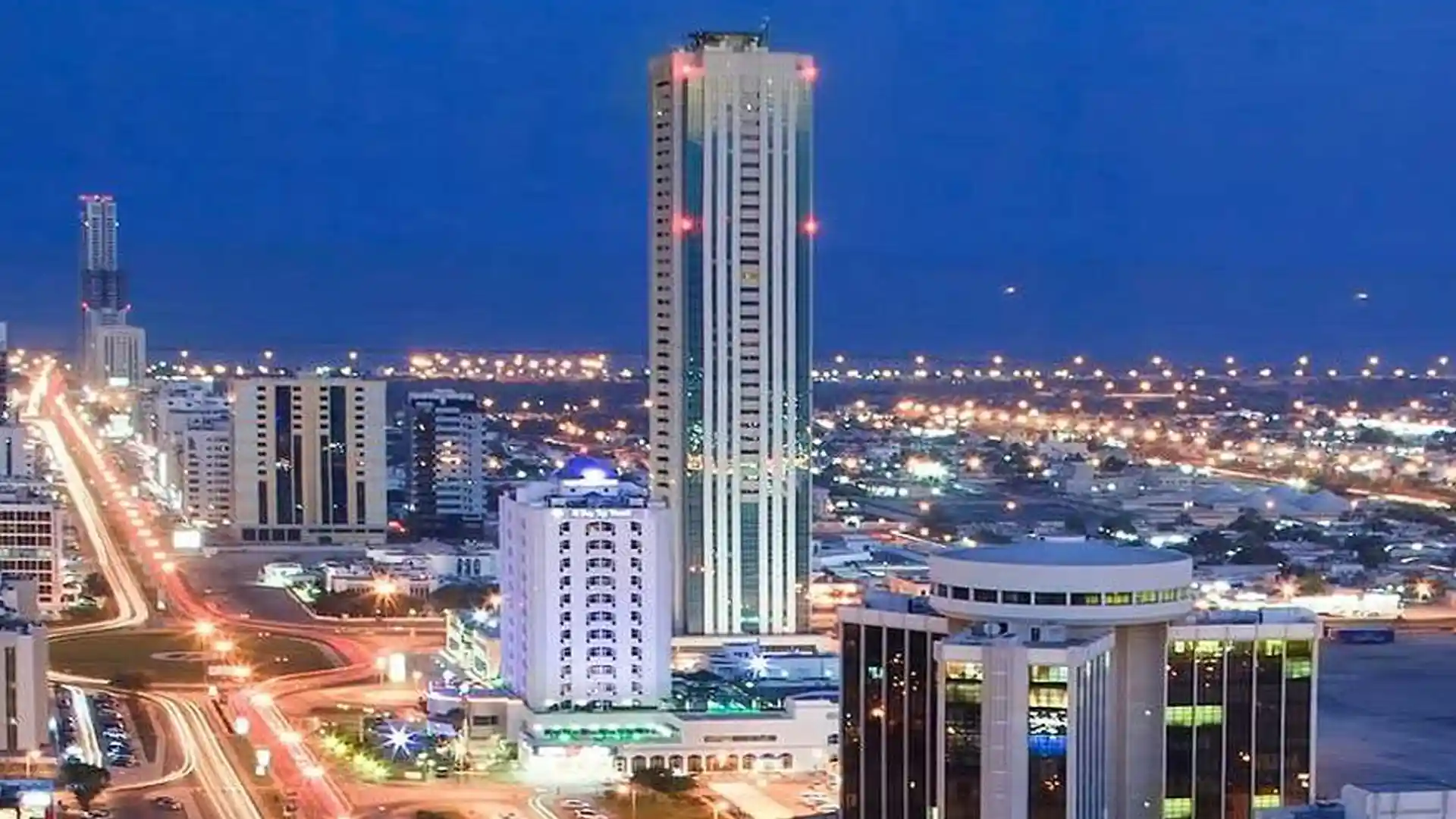
The heat in the United Arab Emirates isn't just a temperature. It is a physical weight, a thick, shimmering blanket that settles over the Gulf of Oman, turning the horizon into a blurred line where the blue of the water bleeds into the white of the sky. In the port of Fujairah, the air usually smells of salt, heavy crude, and the sweat of men who have traveled thousands of miles to keep the world’s machinery humming. These are men who live in the quiet spaces between headlines, the invisible backbone of global trade.
They come from places like Kerala, Punjab, and Tamil Nadu. They carry tattered photographs in their wallets and the heavy hope of families back home on their shoulders. For three Indian nationals working on the docks and vessels of this strategic refueling hub, a Monday morning that began with the mundane rhythm of industrial labor ended in the searing flash of a geopolitical crossfire they never asked to join.
The drone didn't announce itself with the roar of a jet engine. It came as a hum. A low, persistent buzz that sounds more like a lawnmower than a weapon of war until the moment the world turns inside out.
The Geography of a Nightmare
Fujairah sits outside the Strait of Hormuz. This is its primary virtue. It is the escape valve for the world’s oil, a place where tankers can avoid the claustrophobic tension of the narrowest chokepoints. But safety is a relative term in a region where the sky has become a playground for unmanned technology.
Consider the physics of the impact. A drone—small, relatively cheap, and packed with enough explosives to tear through steel—strikes a target. The immediate aftermath isn't like the movies. There is no slow-motion hero walk. There is only the smell of burnt ozone, the ringing in the ears that refuses to fade, and the sudden, terrifying realization that your body is no longer whole.
The three Indian workers caught in the blast were not soldiers. they were not politicians. They were laborers. One moment, they were likely discussing the heat or the next shift; the next, they were statistics in a diplomatic cable. Shrapnel does not check for passports. It does not care about the "why" behind an attack. It only cares about the resistance of flesh and bone.
The Invisible Stakes of the Migrant Worker
To understand the weight of this event, we have to look past the "Iran versus the UAE" narrative that dominates the evening news. We have to look at the kitchen tables in India.
Every month, millions of dollars in remittances flow from the Gulf to villages across the Indian subcontinent. That money pays for weddings, for life-saving surgeries, for the education of daughters who will be the first in their families to see the inside of a university. When a drone hits a terminal in Fujairah, it doesn't just damage a pipeline or a storage tank. It shakes the foundations of a dozen households five thousand kilometers away.
The fear is a quiet, corrosive thing. It’s the wife in Kochi who sees a "breaking news" alert on her phone and feels her heart drop into her stomach because her husband mentioned he was working near the water today. It’s the father who waits for a WhatsApp message that usually comes at 6:00 PM, only to find the "last seen" status hasn't updated in hours.
The UAE authorities and the Indian Embassy moved quickly to provide medical care. They issued the standard statements. They confirmed the injuries were stable. But "stable" is a medical term, not an emotional one. A man can be physically stable while his mind is trapped in the half-second before the explosion, wondering if the next hum he hears will be the wind or another delivery of fire from the clouds.
The New Architecture of Conflict
The world has changed. We used to think of war as something involving massive movements of tanks and divisions of men. Now, war is asymmetrical. It is surgical and detached. A person sitting in a room hundreds of miles away can press a button and change the lives of three people they will never meet.
This is the hidden cost of our modern connectivity. Fujairah is a vital organ in the body of global commerce. When it is pricked, the whole world feels the sting, but the people living on the skin of that organ are the ones who bleed. The drone attack, attributed to Iranian-backed forces in the complex chess match of Middle Eastern power dynamics, serves as a reminder that there are no "remote" areas anymore. Everywhere is the front line for someone.
Why does it matter that they were Indians? It matters because India provides the human fuel for the Gulf’s economic engine. There are over three million Indians in the UAE. They are the doctors, the engineers, the taxi drivers, and the port workers. When the security of the UAE is compromised, it is an Indian crisis as much as an Emirati one.
The Silence After the Blast
In the days following the attack, the port of Fujairah tried to return to its rhythm. Ships arrived. Cranes swung. The sun continued to bake the asphalt. But the air felt different.
The vulnerability of the migrant worker is a unique kind of weight. They are guests in a land that needs them but can only offer so much protection against the whims of regional powers. They operate under a social contract that promises a better life in exchange for hard labor, but that contract rarely mentions being a casualty in a shadow war.
One of the injured men, perhaps, was thinking of the monsoon rains back home. The way the water smells when it hits the dry earth of his village—a scent so different from the metallic, salty heat of the UAE. He was working for that rain. He was working so that one day he wouldn't have to stand on a pier in the path of a drone.
The headlines will move on. The diplomats will trade barbs at the UN. The oil prices will fluctuate by a fraction of a percent and then settle. But for three men, the sound of a distant engine will never be just a sound again. They are the living evidence that in the grand theater of geopolitics, the most expensive price is often paid by those who have the least to do with the script.
The sun sets over the Gulf, casting long, jagged shadows across the shipping containers. The water is calm now, a mirror of deep orange and purple. It looks peaceful. It looks like a place where nothing bad could ever happen from the sky. But the men on the docks keep one eye on their work and the other on the horizon, listening for a hum that shouldn't be there.


