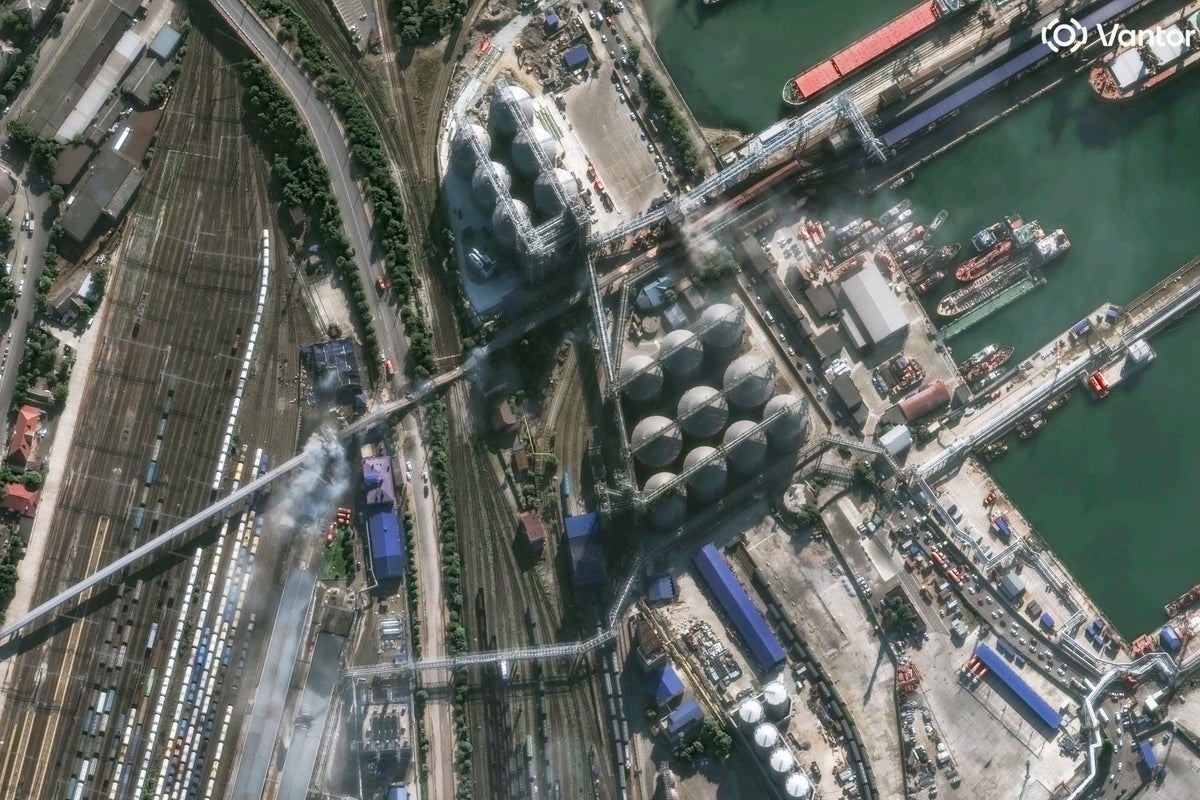
Geography used to protect strategic energy infrastructure deep inside Russian territory. That shield is gone. When Ukrainian long-range unmanned aerial vehicles struck oil refining complexes hundreds of miles from the border, they proved that distance no longer equals safety. These deep strikes target the economic engine feeding Russia's military machine, changing how military strategists evaluate modern long-range warfare.
The Strategy Behind Striking Deep Targets
Kyiv's military command isn't just targeting random industrial sites. They're systematically choking Russia's capacity to produce high-octane gasoline, diesel, and jet fuel. Refineries like the massive facilities in Bashkortostan and Leningrad Oblast process millions of barrels of crude oil annually. When a drone hits a primary distillation unit or a hydrocracking complex far from the front lines, the damage ripples across regional fuel markets and military supply chains.
You might wonder why these specific targets matter more than tactical positions on the front line. Front-line trenches shift daily, but an oil refinery takes specialized foreign equipment and months of labor to repair. International sanctions make securing replacement parts exceptionally difficult for Russian state-owned energy companies.
Regional governors often downplay these incidents, claiming falling debris caused minor fires that were quickly extinguished. Yet satellite monitoring data and local admissions tell a different story. Facilities like the Orsk refinery have had to suspend crucial operations because critical infrastructure cannot be immediately restored.
The Technological Leap in Unmanned Systems
Building an aircraft that can travel 800 miles or more, evade sophisticated air defense systems, and strike a precise industrial target requires serious engineering capability. Ukraine’s domestic defense sector has rapidly scaled up production of long-range strike platforms. These aren't simple hobbyist quadcopters modified with explosives. They are autonomous, long-range systems designed to navigate electronic warfare jamming and terrain obstacles.
Russia responds with its own barrage of ballistic missiles, jet-powered Shahed drones, and heavy glide bombs targeting Ukraine's civilian infrastructure and power grid. This retaliatory cycle drives up the civilian toll and leaves both nations searching for an unsustainable military advantage.
What This Means for the Global Energy Market
Russia remains one of the world's primary energy producers. When domestic refineries stall or reduce output, local fuel shortages materialize quickly at gas stations across Russian regions. International energy markets watch these developments closely because disruptions in Russian product supply directly affect global pricing for petroleum products.
The strategy relies on a simple calculation. If Moscow cannot easily protect its vital industrial assets thousands of kilometers from the border, the cost of sustaining a long-term military campaign rises exponentially. As long-range drone technology continues to evolve, traditional borders offer fewer guarantees, forcing both sides to adapt to an increasingly transparent and vulnerable battlefield.
Take a close look at how defense analysts track these logistical bottlenecks. The real war isn't just fought where soldiers meet in the trenches; it's decided in the control rooms and workshops building the next wave of long-range tech.