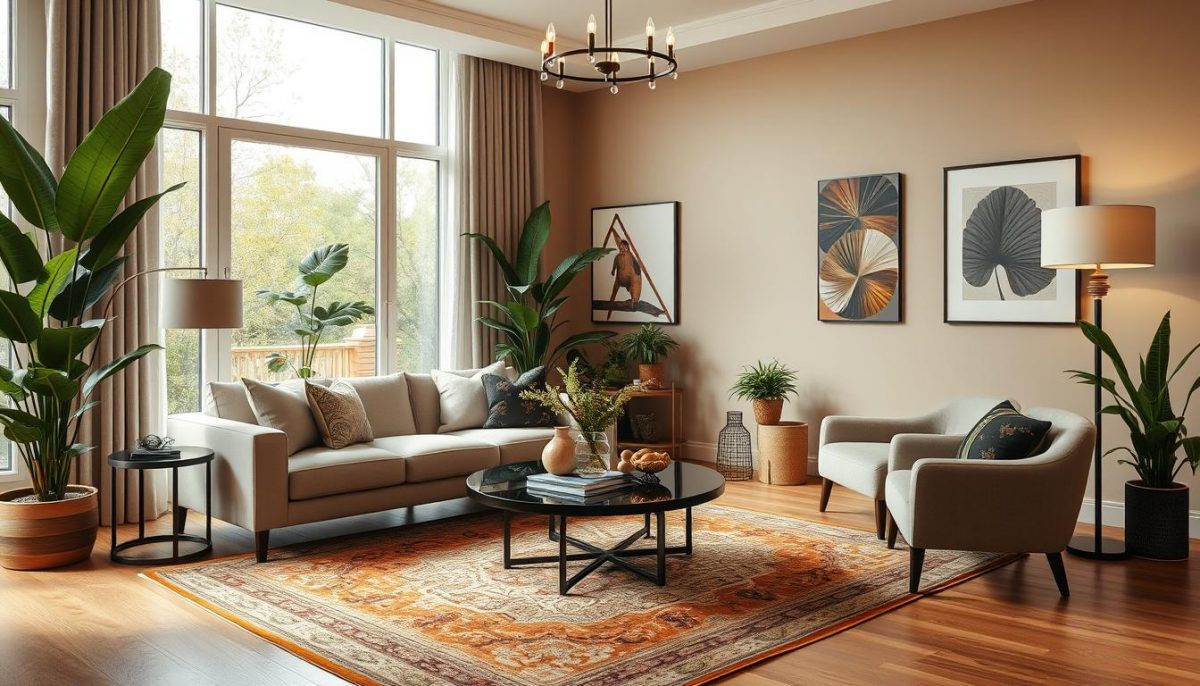
For years, home entertainment meant one thing. You faced the wall of black glass. The couch pointed straight at the screen. We traded our evenings for glowing rectangles and surround sound tuned strictly for blockbusters.
Then things shifted. People started turning spare bedrooms, quiet corners, and yes, former TV snugs into dedicated listening spaces. You strip out the television. You bring in a proper armchair, a couple of acoustic panels, and a turntable that doesn't share shelf space with a cable box.
Audio gear sales have climbed steadily over the last few years as music lovers push back against constant screen fatigue. We stare at phones all day. We work on laptops. Bringing a glowing flat-screen into the room where you actually want to unwind starts to feel like bringing your office into the bedroom.
Creating a space focused entirely on sound changes how you interact with music. When you remove visual distractions, your brain actually listens. You aren't half-watching a series while scrolling Instagram. You sit down. You drop the needle. You hear the bass guitar track you missed for a decade.
Rethinking the Snug Layout
The traditional TV snug relies on a specific geometry. Everything angles toward a central focal point on the wall. If you want a functional listening room, you have to break that layout entirely.
Start with seating. Ditch the massive sectional sofa that forces everyone to face one direction. You want a single, deeply comfortable chair placed precisely where the speakers intersect. Audio engineers call this the sweet spot. Setting up your room around this acoustic sweet spot turns passive background listening into an active experience.
You also need to manage the hard surfaces. Modern minimalist living rooms look great in magazines, but glass and bare drywall bounce high frequencies all over the place. You don't need a professional recording studio to fix this. Heavy velvet curtains, a thick wool rug, and a couple of well-placed bookshelves stuffed with actual paper books do wonders for room acoustics.
The Hardware Shift
Moving away from the TV snug means upgrading how you source your audio. Soundbars built for movie dialogue are terrible at playing a jazz record. They compress dynamics to make explosions sound loud in a small apartment.
Audiophile gear used to mean massive, intimidating stacks of silver metal that required an engineering degree to operate. Today's market leans toward minimalist integrated amplifiers with built-in streaming and phono stages. You plug in a turntable, pair your phone via a lossless Bluetooth codec if you must, and connect a pair of bookshelf speakers that actually fit a normal home.
Turntables brought physical media back for a reason. Pulling a record out of a sleeve requires intent. You commit to twenty minutes of an album side. You can't just skip to the next track because you got bored after thirty seconds. That friction is the point. It forces you to slow down.
Dealing With Noise and Real Life
Let us be honest. Not everyone has a massive historic home with a spare room to burn. Turning a TV snug into a listening space in a standard two-bedroom house or apartment takes compromise.
If you share walls with neighbors, blasting tube amps at midnight won't fly. Smart gear choices matter here. Open-back headphones offer an incredible soundstage that rivals room speakers without waking up the person in the next room. If you do use speakers, decoupling them from the floor using rubber pads or spiked isolation feet keeps low frequencies from rattling through the subfloor into the apartment below.
Lighting sets the mood just as much as furniture. Swap out harsh overhead recessed lights for low-wattage lamps with warm bulbs. The goal is to signal to your brain that this room is for resting your eyes and focusing your ears.
Put away the remote control. Pull out three records you haven't listened to in full since college. Sit in the chair. Turn off the screen.