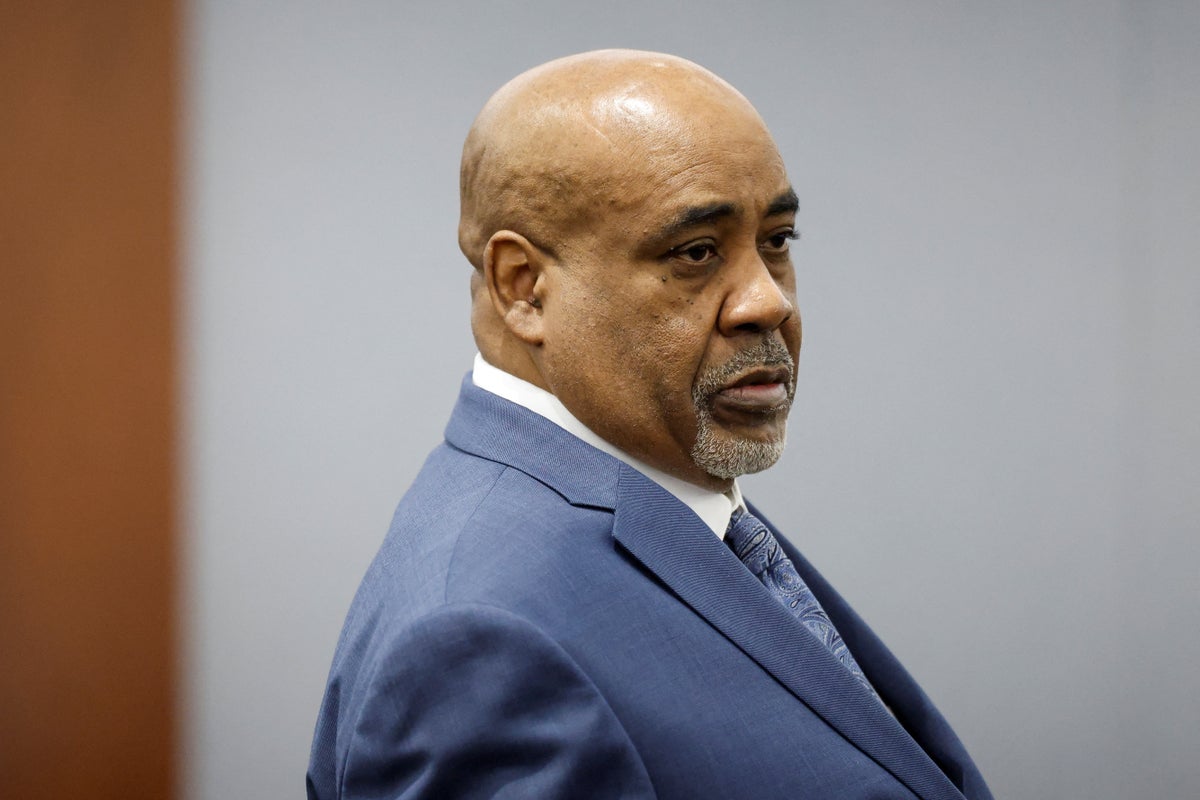
Prosecutorial strategy in cold case litigation relies heavily on transforming informal narrative artifacts into formal evidentiary weight. When the state rested its case in the murder trial of Duane Davis, the corpus of the prosecution's argument did not rest on recovered physical fragments, ballistic matches, or immediate eyewitness testimony from 1996. Instead, the Clark County District Attorney closed the presentation of evidence by submitting a digital footprint: hours of recorded police interviews, jailhouse telephone audio, YouTube promotional clips, and passages from a self-published memoir.
This reliance exposes a distinct legal mechanism. Operating nearly three decades after the death of Tupac Shakur, the state faced an evidentiary deficit typical of historical crimes. Biological material, fingerprints, and the primary weapon vanished long ago. To bridge this gap, prosecutors constructed their theory of liability around a structural premise: that the defendant's own retrospective monetization of the crime served as a verifiable confession, bypassing the need for physical corroboration through the sheer volume of self-incriminating consistency. Recently making news in related news: The Folded Paper And The Courthouse Door.
The Architecture of Criminal Liability
The state does not allege that Duane Davis fired the fatal rounds on September 7, 1996. The legal theory rests on accomplice liability and the hierarchical structure of street organizations. Under Nevada statute, an individual who intentionally aids, abets, or facilitates the commission of a crime bears equal culpability to the principal actor.
To prove this, the prosecution introduced structural testimony from former law enforcement personnel regarding gang dynamics. The operational framework presented to the jury established two core variables: More details regarding the matter are explored by Al Jazeera.
- Positional Authority: Davis functioned as a high-ranking leader, or shot caller, for the South Side Compton Crips.
- Chain of Command Mechanics: Within this operational structure, younger associates lacked the autonomy to initiate lethal retaliation without explicit authorization from leadership.
The cause-and-effect chain argued by the state is strictly linear. Following an altercation at a Las Vegas hotel involving Davis's nephew, Orlando Anderson, the occupants of the white Cadillac faced a tactical choice. According to expert testimony from former gang investigators, if Davis had commanded his associates to defer retaliation, the subsequent homicide would not have occurred. By allegedly procuring the weapon and riding in the vehicle during the pursuit of the victim's black BMW, Davis provided the necessary authorization and operational support to execute the attack.
Evidentiary Vulnerabilities and the Defense Response
Relying on a defendant's own historical statements introduces distinct structural risks for the state. The defense strategy, led by counsel Michael Sanft, targets the credibility and stability of these conversational artifacts.
The primary friction points in the state's case involve three distinct vulnerabilities:
- The Proliferation of Inconsistent Narratives: Over a span of decades, Davis provided multiple retellings across police interviews, documentary segments, and a memoir. These accounts contain shifting details regarding positioning, sequence, and specific actions.
- The Absence of Physical Corroboration: Critical elements such as DNA evidence, matching ballistic markers, or contemporaneous telecommunication records placing Davis at the intersection of Flamingo Road and Koval Lane are entirely absent.
- The Motivation of Commercial Exaggeration: The defense contends that statements made in books and media appearances represent manufactured bravado designed to secure financial gain and public notoriety rather than factual confessions.
When audio from 2023 jailhouse telephone calls was played in court, capturing Davis stating that authorities were attempting to use his own words against him, it underscored the central paradox of the trial. The defendant's public-facing persona, cultivated through years of interviews to monetize his historical notoriety, ultimately supplied the prosecution with the exact narrative framework required to bring charges thirty years after the event.
With the conclusion of the state's presentation, the structural burden shifts to the defense to dismantle the causal link between leadership status and individual criminal participation. Whether historical media artifacts can legally substitute for physical forensic evidence remains the defining question as the courtroom transitions to the presentation of the defense case.


