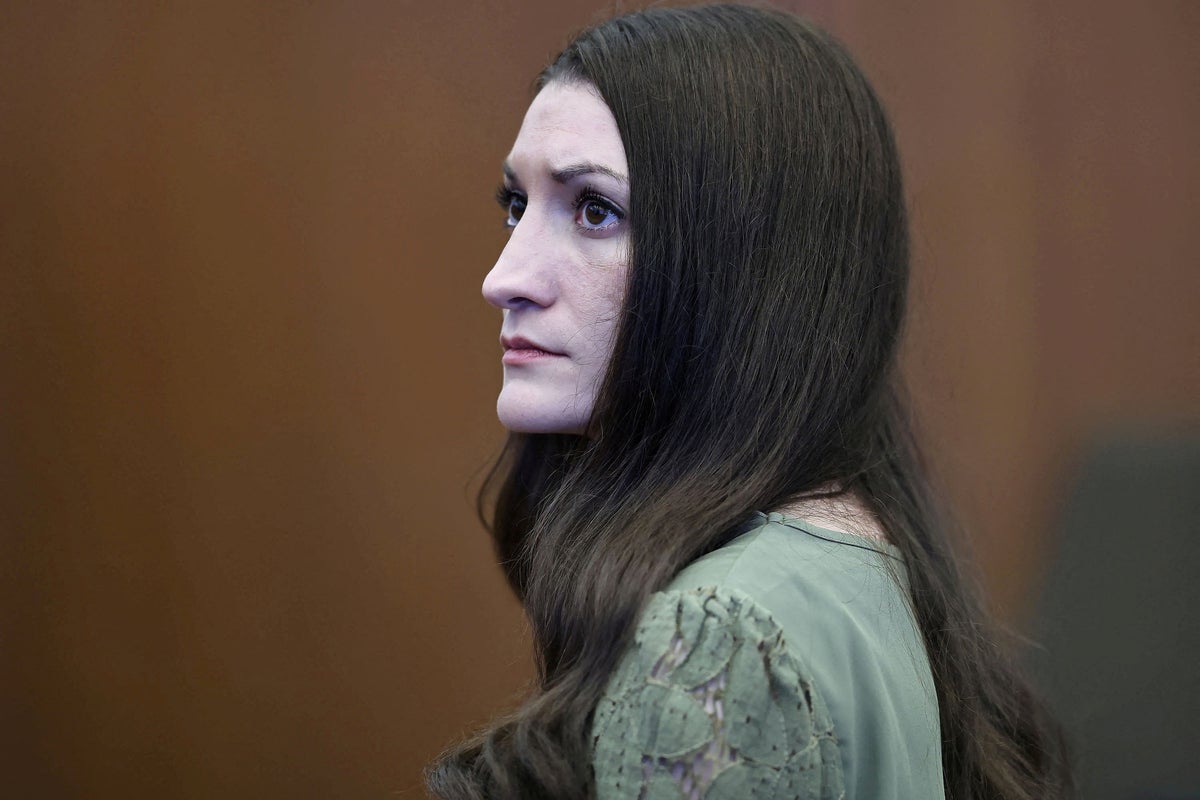
High-profile criminal trials rarely end quietly, but the aftermath of the Lindsay Clancy murder case exploded into an entirely different kind of chaos. When a Massachusetts judge declared a mistrial after the jury deadlocked over whether Clancy was criminally responsible for strangling her three young children, public attention instantly shifted from the courtroom drama to the jury room itself. Specifically, reports surfaced detailing the background of the lone holdout juror who blocked a conviction, revealing past domestic violence allegations and an active restraining order.
This revelation ignited a massive national debate. People aren't just arguing about the verdict anymore; they're questioning how a juror with that specific history slipped past the vetting process in a high-stakes murder trial. It exposes massive cracks in how we screen jurors, protect confidentiality, and handle intensely polarizing cases where public emotion clashes directly with the letter of the law. For a deeper dive into similar topics, we suggest: this related article.
The Anatomy of a Deadlocked Jury
To understand why the holdout juror's background matters, you have to look at how the trial unraveled. Clancy's defense heavily centered on postpartum psychosis, arguing she lacked criminal responsibility when she killed her kids in Duxbury. For weeks, the jury listened to harrowing testimony, expert medical evaluations, and emotional recordings. Yet, after deliberating for more than 24 hours across four days, the panel hit a brick wall.
The jury reported being deadlocked three times before the judge pulled the plug and declared a mistrial. Weeks later, public reports and legal filings exposed that the lone holdout—the person preventing a guilty verdict—had a personal history involving a 2021 domestic violence arrest (which was later dismissed) and a subsequent 2025 incident involving an alleged assault on a family member, alongside an active abuse prevention order. For further context on this development, comprehensive reporting can also be found at NPR.
Why Juror Screening Keeps Failing
When news of these records broke, legal experts and defense attorneys immediately raised red flags about the voir dire process. How did background questionnaires and attorney questioning miss or fail to filter out a juror with active protection orders and recent domestic disturbance allegations?
Voir dire is supposed to root out bias. Attorneys and judges rely on prospective jurors answering honestly about their past run-ins with the law, personal biases, and life experiences. But the system relies heavily on the honor system combined with limited background checks that often miss dismissed charges or civil restraining orders unless specific flags trigger deeper investigation.
When a juror with a contentious personal history sits in judgment of a defendant accused of a violent domestic crime, it invites immediate suspicion from the public. Critics argue that personal baggage inevitably colors how someone interprets evidence, especially in cases dealing with family trauma, mental health, and violence. On the flip side, legal purists point out that having a prior arrest—especially one that was dismissed—doesn't automatically strip someone of their constitutional right or civic duty to serve on a jury.
The Fallout and Clancy's Legal Future
The fallout didn't stop at media commentary. Clancy's defense team aggressively seized on the juror controversy and other procedural hiccups, pushing hard to have the murder charges dismissed altogether rather than facing a grueling retrial. They argued that various forms of juror misconduct and external pressures compromised the integrity of the entire proceeding.
However, Massachusetts courts aren't easily swayed into tossing murder indictments. The presiding judge ultimately slapped down the defense's motion to dismiss and refused requests to haul the holdout juror back into court under oath to interrogate his deliberations. The judge rightly noted that poking into the sanctity of jury deliberations sets a dangerous, coercive precedent for the American judicial system.
With the dismissal motion denied, the district attorney holds the cards on whether to try Lindsay Clancy a second time. Meanwhile, the civil litigation filed by Clancy's ex-husband against medical providers moves forward on a separate track, keeping the tragedy firmly in the public eye.
What This Means for Future High-Profile Trials
The Clancy mistrial serves as a brutal reminder of the fragility of jury trials in the digital and hyper-polarized age. When jurors become household subjects of investigation, the pressure cooker of deliberations becomes even more toxic.
If we want to restore faith in verdicts, the legal system has to overhaul how it vets potential jurors in sensationalized cases. Relying on basic questionnaires isn't cutting it anymore when public safety, severe mental health claims, and violent crimes intersect. Until courts adapt their screening protocols, we're going to keep seeing trials collapse not because the evidence failed, but because the machinery behind the jury box broke down.


