The concept of a "ceasefire" in southern Lebanon has become a grim joke. If you're looking at the headlines today, you'll see that 14 people are dead after Israeli strikes hit the south on Sunday. This happened despite a truce that was supposed to bring some breathing room to a region that's been under fire for weeks. The reality is that this "pause" in fighting is barely holding together by a thread, and for 14 families, the diplomacy arrived far too late.
Sunday was the deadliest day since the ceasefire began on April 16. The Lebanese Ministry of Public Health confirmed the toll, and the details are as messy as you’d expect from a conflict where both sides claim they're only acting in "self-defense." Among the dead were two women and two children. Another 37 people were wounded. While politicians in Washington and Beirut talk about extensions and "good-faith negotiations," people on the ground are still burying their kids. It’s hard to call it a truce when the missiles are still flying.
The Myth of the Yellow Line
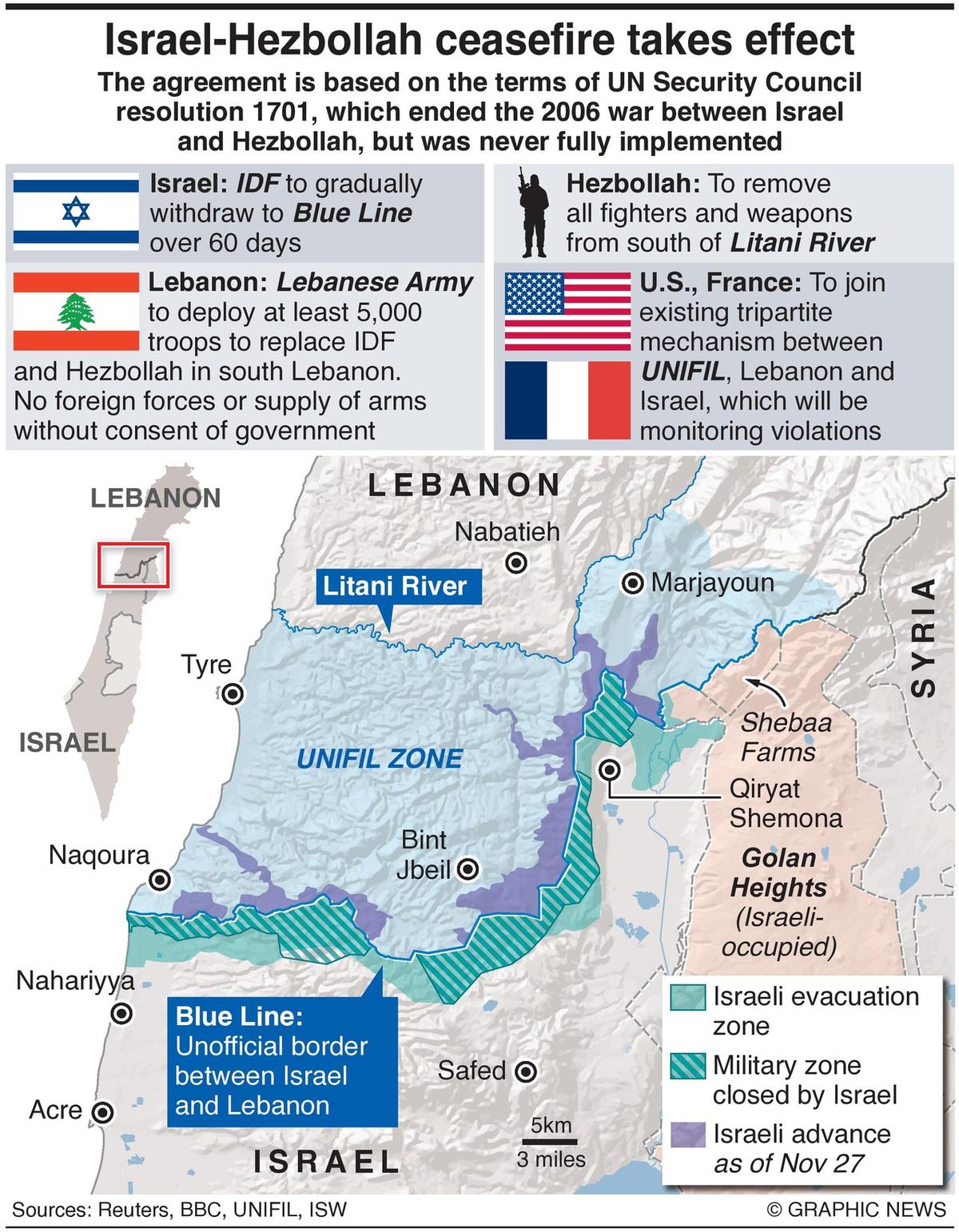
One of the biggest reasons this ceasefire feels so fake is the existence of the "yellow line." This isn't just a mark on a map; it's a 10km-deep ribbon of Lebanese territory along the border where Israel has basically declared a no-go zone. Israeli troops are still operating inside this area. They've warned residents not to return, but for many who fled their homes, the pull of their land is stronger than the fear of a drone strike.
When people try to go back to see what’s left of their lives, they're met with fire. Israel claims it’s "dismantling" Hezbollah’s infrastructure and responding to "emerging threats." Benjamin Netanyahu isn't hiding it, either. He told his cabinet that Hezbollah is the one dismantling the ceasefire and that Israel has "freedom of action" to pre-empt any moves. In plain English, that means if they think something might happen, they’re going to strike first. That kind of logic makes a ceasefire almost impossible to maintain because it allows for "defensive" attacks whenever a commander feels like it.
Hezbollah and the Logic of Response
On the other side, Hezbollah isn't exactly sitting on its hands. The group has made it clear they aren't going to wait for diplomacy that they’ve labeled "ineffective." They’ve continued to target Israeli troops inside Lebanon and towns in northern Israel. Their argument is simple: as long as Israel occupies Lebanese land and violates its sovereignty, they’re going to fight back.
It’s a classic cycle of "they started it." Hezbollah says they’re responding to Israeli violations; Israel says they’re responding to Hezbollah’s presence. Meanwhile, the Lebanese state is essentially a spectator in its own country. Hezbollah openly stated they won't rely on Lebanese authorities because the government has "failed to protect the country." When the official military and the actual fighting force on the ground aren't on the same page, "ceasefire" is just a word on a piece of paper at the State Department.
The Humanitarian Lifeline Is Fraying
This isn't just about soldiers and militants. The humanitarian situation is falling apart because the infrastructure has been systematically gutted. Before this current pause, Israeli strikes knocked out nine bridges over the Litani River. Right now, the Qasmieh Bridge is the only major lifeline left connecting southern Lebanon to the rest of the country.
If that bridge goes, tens of thousands of people are cut off. We're talking about food shortages, zero medical supplies, and no way out. Local authorities in Tyre have warned that food supplies would only last about a week if that final link is severed. Most major supermarkets have already shut down. Pharmacies are closed. This isn't just a war of bullets; it's a war of attrition against the basic ability to survive.
Why This Isn't Like Previous Truces
If you’re wondering why this feels different from the 2024 ceasefire, it’s because Lebanon is now caught in the middle of a much larger fight involving Iran. There was a temporary U.S.-Iran ceasefire reached earlier in April, but there’s a massive disagreement over whether that includes Lebanon. Iran says it does. The U.S. and Israel say it doesn't.
This means Lebanon's fate is tied to a negotiating track in a different country. It’s a terrifying position for a nation to be in. More than 1.2 million people—about a fifth of Lebanon's population—have been displaced since March. Over 2,500 have been killed in total since this latest escalation began. These aren't just statistics; they represent a total collapse of security that a "10-day pause" can't fix.
What Happens Now
The ceasefire was recently extended to mid-May, but don't hold your breath for peace. The "rules of engagement" are so vaguely defined that both sides can justify almost any strike as a response to a violation.
If you're following this, watch the "yellow line" and the Litani bridges. Those are the real indicators of whether things are getting better or worse. As long as those bridges are targets and that 10km strip remains a combat zone, the death toll will keep climbing. The diplomats are meeting in D.C., but in the villages of southern Lebanon, the sounds of war haven't actually stopped.
If you want to understand the situation on the ground, stop listening to the official statements and look at the displacement numbers. When 200,000 people are fleeing into Syria just to find safety, you know the "truce" is failing. The next few weeks will decide if this turns into a permanent security agreement or if Sunday’s 14 deaths were just the beginning of a much larger bloodbath.