The internal war for the future of Iranian foreign policy just spilled into the public square. Within twenty-four hours of former Foreign Minister Mohammad Javad Zarif calling for a "strategic reset" with the United States, a private text message—purportedly authored by high-ranking hardliners—found its way to the press. This was not a coincidence. It was a calculated assassination of a diplomatic trial balloon before it could even clear the trees. The leak confirms that while Zarif and the reformist-leaning wing of the Pezeshkian administration seek a path out of economic isolation, the deep state remains committed to a doctrine of "Resistance" that views any thaw with Washington as an existential threat to the Islamic Republic.
Zarif’s proposal wasn't radical in its wording, but its timing was explosive. By suggesting that Tehran needs to move beyond historical grievances to secure its economic survival, he touched the third rail of Iranian revolutionary politics. The leaked response, circulating through Telegram channels linked to the Islamic Revolutionary Guard Corps (IRGC), dismisses Zarif's overtures as "diplomatic suicide" and "betrayal of the martyrs." The speed of this counter-strike shows that the hardline factions are no longer content to wait for policy to fail; they are now actively sabotaging the messaging process in real-time.
The Architecture of a Controlled Leak
In Tehran, secrets are currency. When a "private text" leaks, the first question is never about the content, but about the plumbing. Who owns the pipe? The specific timing—dropping exactly one day after Zarif’s high-profile speech—points toward a coordinated effort by the "Sustainability Front" (Jebhe-ye Paydari). This group represents the most uncompromising element of the Iranian parliament and security apparatus.
They don't just want to stop a deal; they want to humiliate the deal-makers. By leaking a message that portrays the diplomatic wing as weak and out of touch with the Supreme Leader’s "True North," the hardliners are drawing a line in the sand. They are signaling to the West that even if Pezeshkian’s ministers talk, they do not have the authority to sign. This creates a "credibility gap" that makes it nearly impossible for the U.S. State Department to take Iranian overtures seriously.
The text itself serves a dual purpose. First, it reassures the hardline base that the revolutionary guardrails are still in place. Second, it warns the President that his cabinet is being watched. It is a classic move from the playbook of the "Shadow State"—the network of unelected officials who hold the keys to the nuclear program and regional proxy groups.
Why a Strategic Reset Terrifies the Old Guard
To understand the ferocity of the pushback, you have to look at what a "strategic reset" actually entails. For Zarif and his allies, it means a return to the logic of the 2015 nuclear deal (JCPOA), but with a wider lens. It involves stabilizing the rial, lifting sanctions, and potentially easing tensions in the Middle East to allow for foreign investment.
For the hardliners, this is a nightmare scenario. Their power is rooted in the "Economy of Resistance." When Iran is isolated, the IRGC-affiliated companies control the black market and the vital supply chains. They thrive on the friction of sanctions. If the doors open, their monopoly evaporates. A reset isn't just a change in foreign policy; it is a direct threat to the financial empire of the security elite.
The Myth of the Unified Iranian Voice
Western analysts often make the mistake of treating the Iranian government as a monolith. It is actually a collection of warring fiefdoms. The leak proves that the "double-headed" system of government—the elected presidency versus the uneledted Supreme Leadership and IRGC—is in a state of high-intensity conflict.
- The Reformists: Betting on economic relief to prevent domestic unrest.
- The Hardliners: Betting on ideological purity and Russian/Chinese partnerships to bypass the West entirely.
- The Pragmatists: Caught in the middle, trying to balance the two while the currency devalues.
The leaked text mocks the idea that the U.S. can be trusted, citing the 2018 withdrawal from the JCPOA as permanent proof of American duplicity. By framing the argument this way, the hardliners make any diplomat who suggests talking look like a fool who hasn't learned from history.
The Zarif Factor
Mohammad Javad Zarif remains the most polarizing figure in Iranian politics. To the West, he is the smooth-talking diplomat who can bridge the gap. To the Iranian right wing, he is a "Western-toxified" academic who gave away the country’s nuclear crown jewels for a handful of empty promises.
His return to a position of influence under President Pezeshkian was always going to trigger a reaction. The leak is a reminder that while Zarif may have the microphone, his opponents have the surveillance tapes. The "private" nature of the leaked communication adds a layer of menace—it tells the administration that their internal deliberations are compromised. There are no closed doors in the beehive of the Iranian state.
The Ghost of 2018
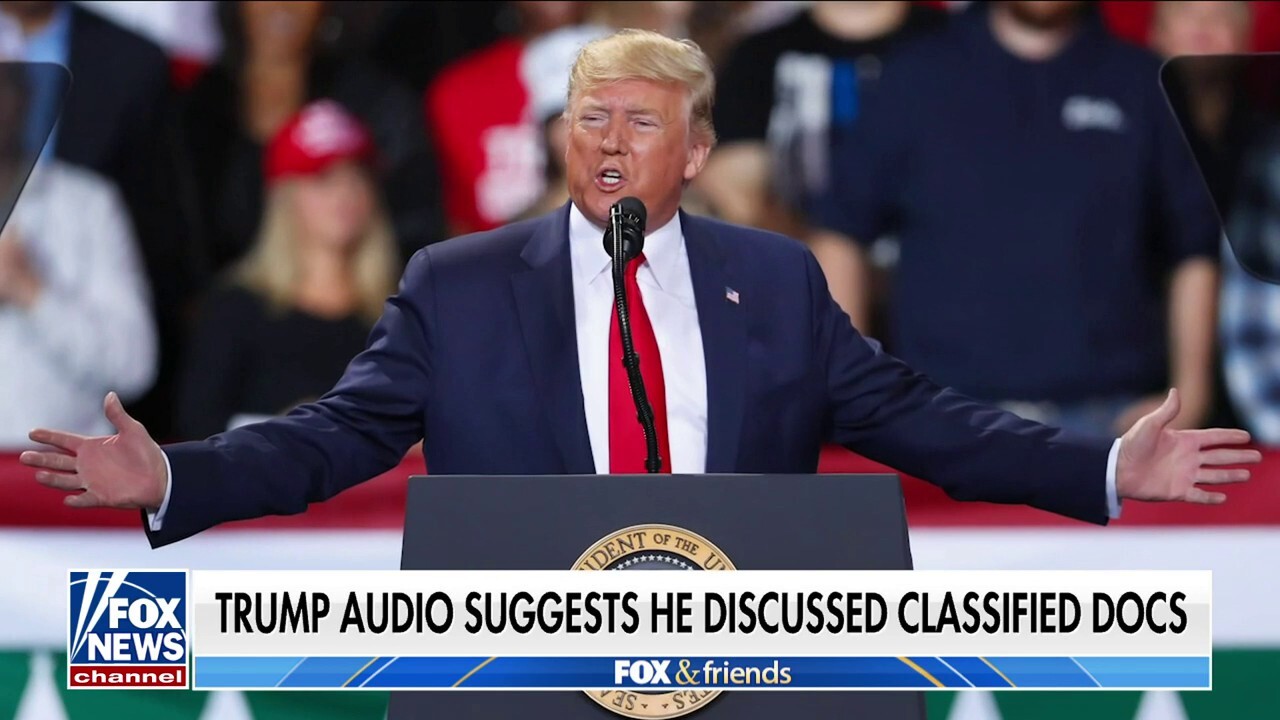
Every diplomatic move in Tehran is haunted by the image of Donald Trump signing the exit from the nuclear deal. The leaked text leans heavily on this trauma. The hardline argument is simple: why engage in a "strategic reset" with a country that could change its mind every four years?
This logic is difficult for reformists to counter. When the hardline text asks, "Will you sell our dignity for a signature that expires with the next election?", they are tapping into a very real and widespread skepticism. This isn't just about radicalism; it’s about a fundamental breakdown in international trust. The leak ensures that this skepticism remains the dominant narrative, drowning out Zarif’s calls for a pragmatic path forward.
Weaponizing Transparency
Usually, leaks are used to expose corruption. In this case, the leak was used to enforce ideological conformity. By making the "private" warnings of the hardliners public, the leakers have forced everyone in the administration to take a side. There is no longer any room for quiet, back-channel exploration.
If Pezeshkian continues to support Zarif’s line, he risks an open confrontation with the parliament and the IRGC. If he backs down, he proves he is a figurehead with no real power. The leak has successfully boxed the President into a corner before he has even completed his first year in office.
The Iranian people, meanwhile, are left watching this theater while the cost of basic goods continues to skyrocket. For the average person in Tehran, the "strategic reset" represents a hope for a normal life. The "private text" represents the forces determined to keep that life out of reach in the name of a revolution that many feel has already left them behind.
The Regional Ripple Effect
This internal friction doesn't stay inside Iran’s borders. Neighbors like Saudi Arabia and the UAE are watching closely. If Iran cannot decide on its own direction, it becomes a volatile actor. A "reset" would mean a more predictable Iran. A "Resistance" victory means a continuation of the proxy wars that have defined the last two decades.
The leaked text explicitly mentions regional "obligations," a euphemism for the "Axis of Resistance." It suggests that any deal with the U.S. would come at the cost of abandoning allies in Lebanon, Yemen, and Iraq. This is the ultimate "poison pill" for the Iranian security establishment. They will never trade their regional influence for Western trade deals, and the leak serves to remind the diplomats of that reality.
The End of the Trial Balloon
The Zarif reset was a trial balloon, a way to test the waters both at home and abroad. The leaked text was the needle that popped it. We are now entering a period of heightened internal surveillance within the Iranian government. The reformists are on the defensive, and the hardliners are feeling emboldened by their ability to control the narrative.
The strategy of the leak worked because it exploited the inherent weakness of the Iranian presidency: the lack of control over the security apparatus. Until a President can guarantee that his diplomats won't be undermined by their own intelligence services, any "strategic reset" is just a script for a play that will never be performed.
Watch the Telegram channels. The next leak won't be a warning; it will be a verdict. The hardliners have shown they can reach into the most private corners of the administration to pull out whatever they need to destroy a policy they dislike. This isn't just a leak. It is an occupation of the diplomatic space. Any future attempt at a reset will have to account for the fact that the house is bugged, and the occupants are ready to burn it down rather than let the windows be opened.