Washington is losing its grip on its own neighborhood. For decades, American policymakers treated Latin America like an afterthought, assuming the region would naturally remain within the US sphere of influence. That era is officially over.
Between a grinding economic showdown in the Caribbean and a high-stakes scramble for green technology minerals in South America, the region has become the premier battleground for global dominance. China is no longer just trading with Latin America. It's embedding itself into the security and industrial fabric of the Western Hemisphere. If you want to understand where global power is shifting right now, you have to look at two fronts: the breaking point in Havana and the mining towns of Brazil. Discover more on a connected issue: this related article.
The Caribbean Breaking Point
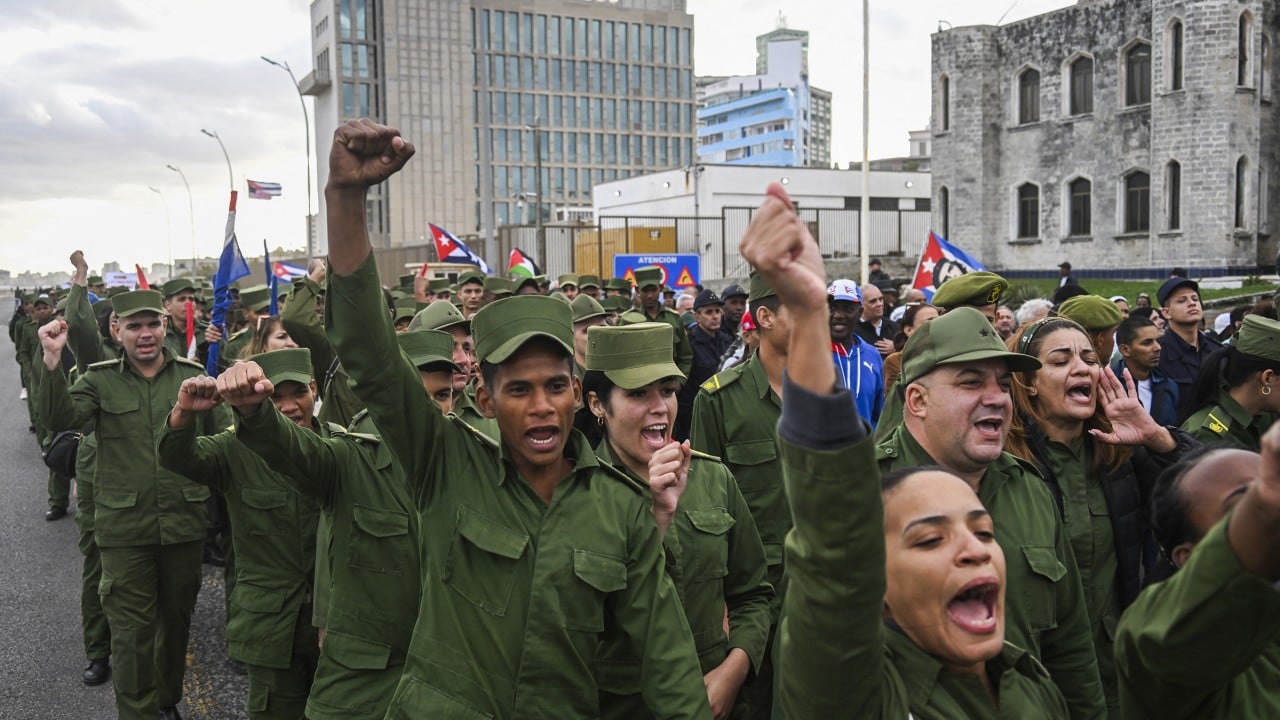
The situation in Cuba has escalated far beyond a standard economic dip. The island is enduring its worst economic crisis in generations, characterized by a crushing fuel shortage that has left major cities without electricity and brought local industry to a standstill. The friction traces back to intense Washington pressure and a strict fuel blockade targeting shipping networks. When the political situation in Venezuela shifted following US interventions, Cuba's primary energy lifeline was cut.
But Havana didn't collapse. Instead, Beijing stepped directly into the vacuum. Further reporting by The Washington Post highlights similar perspectives on the subject.
In May 2026, Chinese vessels arrived at the Port of Havana to deliver 15,000 tonnes of rice, the first installment of a massive 60,000-tonne humanitarian aid package. While the US strategy relies on economic isolation to force political change, China is positioning itself as the ultimate guarantor of Cuban survival.
This isn't just about food security. For US military planners, the deepening alliance represents a direct security threat. The Pentagon has raised alarms over Beijing’s growing presence just 90 miles from the Florida coast. White House officials view this humanitarian lifeline as a cover for expanding intelligence-gathering capabilities and deepening military ties in the Caribbean. The old Cold War playbook has returned, but the competitor has vastly deeper pockets.
The Battle For Brazil Rare Earths
Further south, the geopolitical contest shifts from military strategy to industrial survival. Rare earth elements are the bedrock of the modern economy. They run everything from electric vehicle motors and wind turbines to missile guidance systems and fighter jets. Right now, China controls roughly 70% of global extraction and a staggering 90% of rare earth processing.
The US desperately needs an alternative supply chain. Enter Brazil.
Brazil sits on the world's second-largest reserve of rare earth minerals. Yet, the country currently produces less than 1% of the global supply. The vast majority of its wealth remains buried in places like Minaçu, a small town in Goiás state that has suddenly become the epicenter of an international bidding war.
Washington tried to lock things down early. The US International Development Finance Corporation poured a $565 million loan into Serra Verde's Pela Ema mine in Brazil. It's the only large-scale producer of heavy rare earths operating outside of Asia. The loan came with an option for the US to acquire a minority stake, a clear move to secure the supply and freeze China out.
Lula Refusal To Take Sides
If Washington expected exclusive access to these resources, Brazilian President Luiz Inácio Lula da Silva shattered those expectations. During his high-profile meeting with Donald Trump at the White House, Lula made Brazil's stance explicitly clear.
Brazil's rare earth reserves are open to everyone.
Lula flatly rejected the idea of joining an exclusive, US-led mineral alliance designed to isolate Beijing. He noted that China overtook the US as Brazil's top trading partner after 2008 simply because American companies stopped competing for contracts in the region. The data backs him up. In recent years, Brazil has pulled in over 10% of China's total outbound capital. In the first half of last year alone, Brazilian rare earth exports to China tripled.
Global Rare Earth Refining Capacity:
China: 90%
Rest of the World: 10%
Brazil has no intention of being a pawn in a new Cold War. Lawmakers in Brasília are pushing through legislation to create a new state-owned critical minerals firm, tentatively named Terrabras. The lower house also approved a major policy bill establishing a $2 billion guarantee fund and $5 billion in tax credits to ensure that raw minerals aren't just dug up and shipped away. Brazil wants the refining, processing, and manufacturing to happen on its own soil.
The Real Price of Independence
Navigating this diplomatic tightrope comes with serious local risks. While Latin American leaders see critical minerals as a ticket to industrial development, local communities are staring down severe environmental degradation.
Rare earth extraction is notoriously dirty. The mining process frequently unearths radioactive materials like thorium and uranium. Processing the minerals requires massive amounts of acid, creating toxic wastewater that threatens local river systems and agricultural land.
Furthermore, a significant portion of Brazil's untapped critical minerals sit beneath the Amazon region. This creates an immediate policy contradiction for Lula's government, which has staked its international reputation on protecting the rainforest. Balancing environmental survival with the economic windfall of a global tech boom is proving to be incredibly difficult.
How Global Dynamics Are Shifting
The old assumption that Latin America would automatically side with the West during a global crisis is dead. Countries across the region are watching the standoff between Washington and Beijing and realizing they hold significant leverage.
By refusing to sign exclusive supply agreements, Brazil keeps the investment capital flowing from both sides. By accepting vital food and energy assistance, Cuba ensures its regime survives American economic pressure.
For the US, countering this trend requires more than just issuing security warnings or enforcing trade blockades. It demands real economic engagement, competitive financing, and a willingness to treat Latin American nations as equal industrial partners rather than resource colonies.
To track how these regional dynamics affect global supply chains and investments, keep a close eye on these specific indicators over the next few months:
- Monitor the legislative progress of Brazil's Terrabras bill to see how tightly the state intends to control foreign mining concessions.
- Track the volume of refined rare earth exports leaving the Pela Ema mine to determine if processing capacity is successfully staying within Brazil.
- Watch for new maritime agreements or logistics port investments between Beijing and Havana that signal a permanent Chinese security presence in the Caribbean.