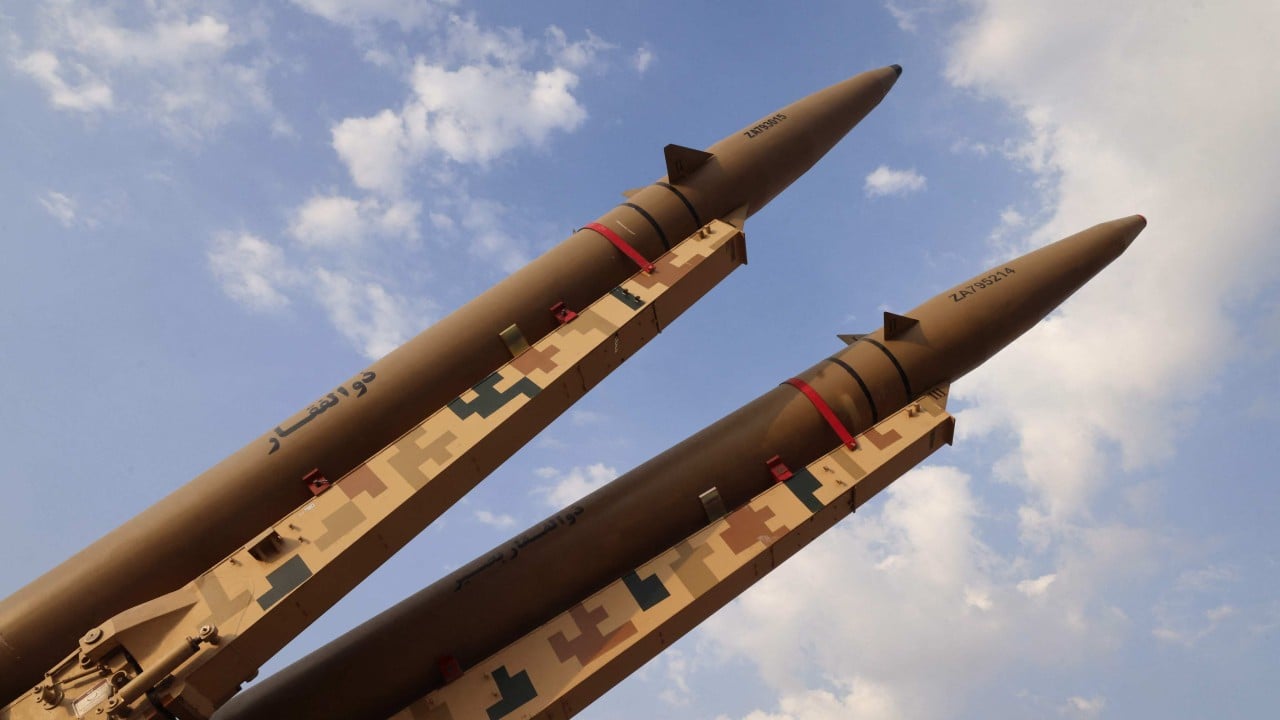
The quiet phase in the Gulf is officially over. When the United Arab Emirates defense ministry announced that two ballistic missiles fired from Iran had splashed down near its waters, it marked a sharp, dangerous escalation in a regional conflict that refuses to cool down.
If you thought the confrontation was contained, think again. Both missiles ended up in the sea—one inside territorial waters and the other just outside—causing zero immediate casualties or structural damage. But focusing solely on the lack of a blast radius misses the entire point. This was Tehran's first direct strike toward the Emirates since May, and it shatters any illusion that regional shipping lanes or neutral neighbors are sitting safely on the sidelines.
The Strains on the Strait of Hormuz
Let's look at what led up to this moment. The missile fire didn't happen in a vacuum. Over the preceding days, state-owned Abu Dhabi National Oil Co. vessels took direct hits while trying to transit the vital Strait of Hormuz.
For months, the broader war—sparked initially by US and Israeli strikes on Iran—has turned critical maritime chokepoints into zones of high hazard. Roughly a fifth of the world's oil and liquefied natural gas used to move through this narrow corridor without issue. Now? Commercial traffic has slowed to a crawl.
According to defense assessments, Tuesday's incoming ballistic projectiles were explicitly targeting maritime traffic. Iran's strategy relies heavily on strangling economic lifelines, and shipping companies know it. When tankers are getting hit and ballistic hardware is splashing down off the coast of major commercial hubs like Dubai, the risk calculation for global trade shifts overnight.
Diplomatic Dead Ends and Expired Clocks
Why are things flaring up right now? Because diplomacy hit a wall.
A crucial 60-day window for US-Iranian peace talks quietly expired without a single breakthrough. Washington made it clear that current talks are dead in the water, leaving a massive vacuum where a ceasefire should be. Without a diplomatic off-ramp, military actors take the wheel.
The UAE interior ministry scrambled to push phone alerts to residents, reassuring the public that the situation was safe and urging people back to normal routines. That domestic calm is intentional. Emirati authorities are walking a tightrope: maintaining economic openness while upgrading defense readiness to intercept incoming threats before they hit land.
What Comes Next for Gulf Security
The reality on the ground is stark. You can't pretend trade can flow normally when regional flashpoints keep multiplying. Beyond the missiles aimed at the UAE, Yemen's Iran-backed Houthi movement simultaneously targeted an oil refinery in Saudi Arabia, proving that Tehran's network is actively expanding the theater of operations.
If you are tracking international energy markets, shipping logistics, or regional stability, watch the insurance rates for Gulf transit and monitor official defense ministry briefings closely rather than panic-scrolling through social media rumors. The conflict dragging on means volatility is the new baseline. Stop expecting a quick diplomatic fix. Plan for a protracted maritime security crisis instead.