Before the sun begins to burn through the damp gray shroud hanging over Victoria Harbour, the engine of a red urban taxi coughs twice and catches.
It is 4:30 in the morning. Inside the cramped cabin, the air smells faintly of stale jasmine tea, old rubber floor mats, and the ozone tang of an all-night battery charger. Uncle Chan grips the steering wheel with hands that know every single expansion joint of the Eastern Corridor. For forty years, those hands have navigated the pulse of Hong Kong before the city even remembers to wake up.
He shifts into drive. The meter clicks softly. Another day begins.
Right now, though, Chan is not thinking about traffic lights or the morning shift change at Cross-Harbour Tunnel. He is staring at the fuel gauge and doing a grim mental calculation that has nothing to do with geography and everything to do with survival.
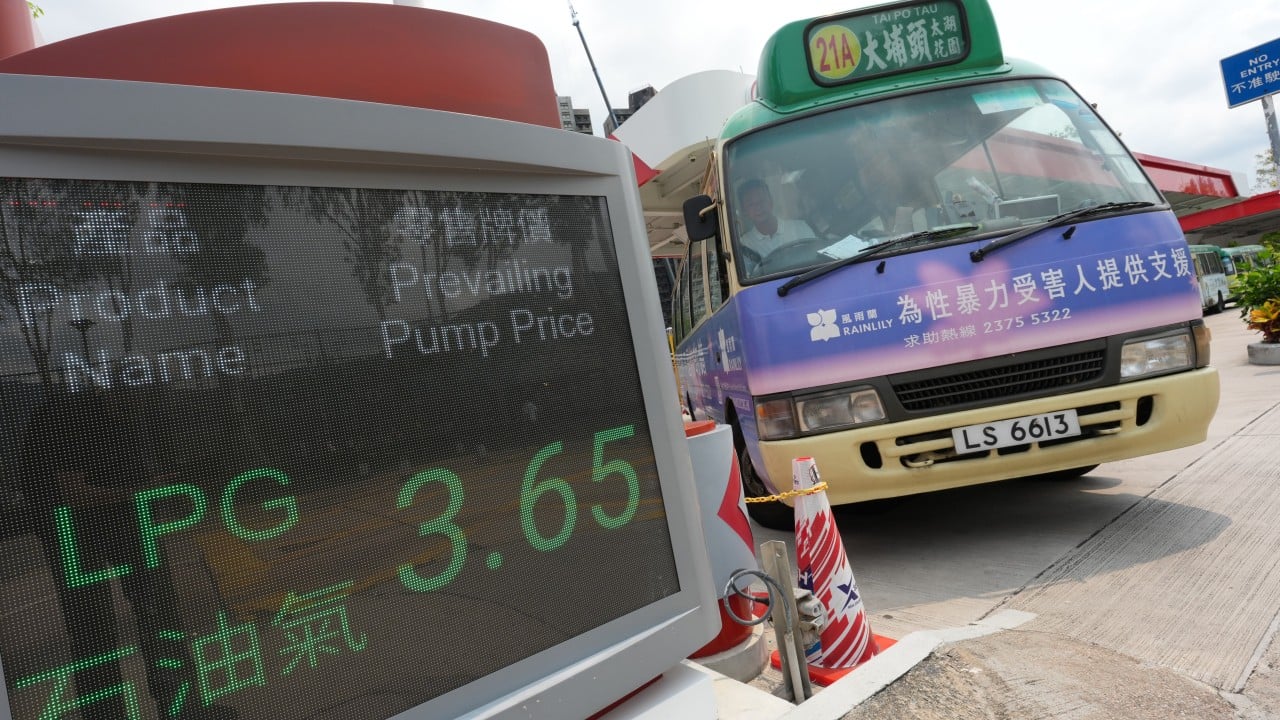
To understand what is happening on the asphalt veins of this city, you have to look past the neon glow of the midnight skyline. You have to look at the numbers flickering on the digital displays of LPG filling stations across Kowloon and the New Territories. Liquefied petroleum gas is the lifeblood of Hong Kong’s iconic red and green taxis, alongside the fleet of public light buses that snake through the steep mountain passes of the Peak. When that fuel gets expensive, the entire circulatory system of the metropolis starts to seize.
Drivers like Chan are caught in a vise. On one side stands a strict, government-regulated fare structure that requires official legislative approval to change. On the other side sits a volatile global energy market that treats fuel prices like a yo-yo.
For months, the pressure has been building. Operating costs have crept upward like rising tide water, inching past the threshold of what a twelve-hour shift can realistically yield. When the profit margins shrink to the width of a razor blade, a driver is no longer working to make a living. They are working simply to pay for the privilege of working.
Industry associations have issued a stark warning. Extend the targeted fuel subsidies that have helped cushion the blow, or brace for a sharp, unavoidable hike in transport costs for the public.
It sounds like a dry policy debate fit for a legislative committee room. It is not. It is a human crisis played out in quarters and cents.
Consider what happens next if the relief dries up.
A typical taxi owner-driver or renter faces a daily battle just to break even before taking home a single dollar for food, rent, or medicine. When fuel prices spike without a corresponding adjustment in passenger fares or direct government support, the math turns brutal. You drive an extra hour. Then two. Fatigue sets in. Reaction times slow down on wet pavement during a sudden tropical downpour.
Safety is the invisible casualty of economic strain. A tired driver rushing to cover overhead expenses is a hazard to everyone sharing the road.
Beyond the individual cabbies, the shockwaves hit the minibuses. These green-top shuttles are the capillaries of Hong Kong, reaching into housing estates and hillside neighborhoods where the massive MTR trains cannot go. If minibus operators are forced to absorb unsustainable fuel hikes, route viability collapses. Service frequencies drop. Wait times stretch out in the rain. Commuters accustomed to clockwork efficiency find themselves stranded in long queues, wondering why their morning commute has suddenly become an ordeal.
Transport economics can feel abstract until you are the one standing on a curbside in Mong Kok, watching empty cabs roll past because drivers cannot afford to waste gas cruising for fares in a sluggish market.
The government finds itself treading a delicate tightrope. Subsidizing fossil fuels creates a fiscal dilemma in an era striving for green transition. Yet pulling the plug too abruptly on a sector that relies entirely on legacy internal combustion engines—before electric alternatives are truly viable, widely deployed, and supported by heavy-duty charging infrastructure—risks a systemic breakdown of urban mobility.
You cannot electrify a fleet overnight simply by wishing it so. The charging depots take years to build. The capital investment required for a driver to swap a gas-guzzler for an EV is astronomical, especially when daily earnings are already stretched to the limit.
This is the messy, complicated reality of urban governance. It is a balancing act between fiscal prudence and social stability. Without a bridge of temporary relief, the burden falls squarely on the shoulders of the working class—both the drivers earning an honest crust and the everyday commuters who depend on affordable transit to reach their factory floors, office desks, and hospital beds.
Night falls over Victoria Harbour once again. The neon signs paint the wet asphalt in neon pinks and electric blues.
Uncle Chan pulls his red taxi up to the curb, turning off the ignition with a soft sigh that lets out the accumulated tension of a twelve-hour shift. He counts the day's takings, sliding the crumpled banknotes into a worn leather pouch. After fuel, after rental fees, after maintenance, the net is painfully thin. He looks out the windshield at the endless stream of pedestrians hurrying home, unaware of the fragile economic gears keeping their city moving.
He turns the key in the ignition tomorrow morning. Whether the fuel in his tank is a burden or a lifeline depends entirely on choices being made in conference rooms far away from the asphalt.
The meter waits for no one.