Neon does not care about blood. In the congested arteries of Tsim Sha Tsui, the signs bleed red and neon-blue against the humidity, casting long, bruised shadows over the pavements where midnight is just another word for rush hour. Neon ignores the screaming. It ignores the shattering of cheap glass. It ignores the sudden, sickening thud of a human body hitting a sticky floor.
Midnight in a Hong Kong bar is supposed to be an exercise in forgetting.
Instead, on that particular night, it became an exercise in permanent memory.
A routine night out. A casual insult. A shove that should have ended with a spilled drink and a bruised ego. But the night possessed its own dark momentum. Pride turned into rage, fists found bone, and within the span of heartbeats, a businessman—someone who had spent his daylight hours navigating the merciless currents of commerce—found himself drowning in the shallow end of a drunken brawl.
He did not walk out.
And then, the silence arrived. Not the peaceful kind, but the heavy, suffocating silence that follows a catastrophe when the witnesses suddenly realize they have places to be and memories they desperately need to erase. The police came, of course. They always do. They stepped into the wreckage of broken bottles and spilled ice, cataloging the terminal geometry of a life extinguished over nothing at all.
At first, there were only fragments. A blurry face on a security monitor. A jacket left behind on a sticky booth. A name whispered across a cramped kitchen table in the damp hours before dawn.
Justice moves slowly in a city of seven million souls, but it moves with the crushing inevitability of a hydraulic press.
Three more.
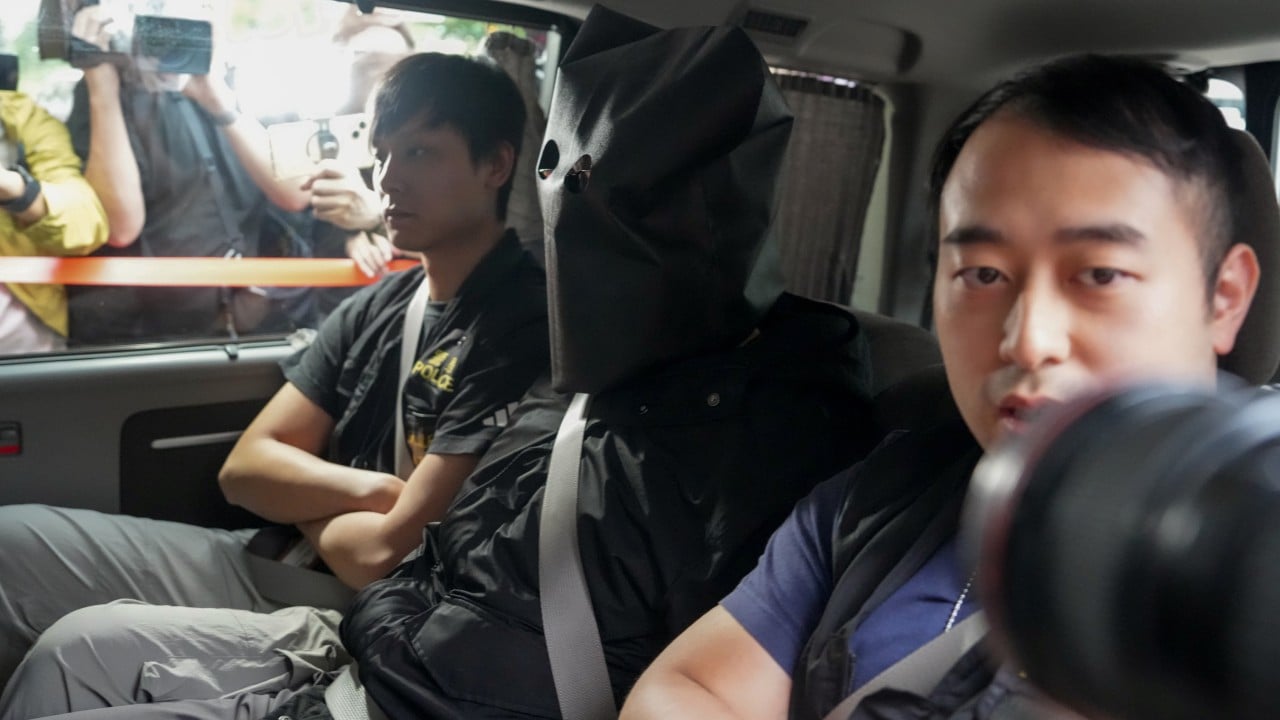
That was the update that cut through the morning news cycle like a cold razor. Three more suspects, dragged out of the humid obscurity of the city's labyrinthine neighborhoods, blinking into the harsh flashbulbs of detectives and reporters. They thought they could outrun a crime committed in plain sight. They thought the neon would swallow them, that the sheer volume of humanity would act as an invisible cloak.
They were wrong.
Consider the anatomy of a manhunt in a metropolis like this one. It is not like the movies. There are no high-speed chases weaving through double-decker trams or dramatic rooftop leaps against the skyline. Real investigations are agonizingly quiet. They consist of thousands of hours of grainy CCTV footage reviewed by exhausted eyes in windowless rooms. They are built on phone pings, taxi receipts, the faint fluorescence of convenience store cameras, and the shifting loyalties of frightened men.
When a man dies in a bar fight, concentric circles of complicity ripple outward. There is the one who threw the fatal blow. There are the ones who held the victim back, the ones who cleared a path, the ones who threatened the witnesses, and the ones who drove the getaway car into the concrete labyrinth of the New Territories.
The net does not close all at once. It tightens inch by invisible inch.
One day, you are drinking cheap whiskey with your friends, convincing yourselves that nobody saw anything, that the police are chasing ghosts. The next day, the heavy iron door of a detention cell swings shut, and the neon outside is replaced by the relentless, sterile glare of fluorescent tubes.
Violence is a terrible investment. You pay for it with your tomorrows, your freedom, and the quiet dignity of ordinary life, all for the fleeting satisfaction of a bruised ego in a crowded room.
The bar has long since cleaned its floors. The blood is gone, washed away with industrial bleach and hot water. The business has reopened, its doors welcoming a new crowd of tired souls looking to forget their own names for a few hours under the pulsing glow of the signs.
Outside on the street, the rain starts to fall, turning the asphalt into a dark mirror that reflects everything, hides nothing, and lets the city wash its hands clean once again.