Eight people are dead and families are frantically searching hospital gates in Kyrenia after a routine maritime crossing turned into the worst disaster in Northern Cyprus's history.
The privately owned catamaran-style ferry, operating under the name Filojet, left the port of Kyrenia at roughly 12:30 p.m. on Sunday, bound for Taşucu in Turkey. On board were roughly 270 passengers and crew. Minutes later, the vessel was struggling against violent motions, taking on water, and ultimately capsizing just four nautical miles off the coast. For a more detailed analysis into this area, we suggest: this related article.
Police moved fast. Within hours of the wreck, authorities detained the captain and seven crew members as part of a criminal negligence investigation. Local reports and survivor testimonies suggest glaring operational failures before the bow of the ship burst open and sent the vessel down to a depth of 514 meters.
What Survivors Saw on the Water
The crossing should have been routine. Instead, passengers experienced a nightmare that unfolded in real time. To get more background on this development, in-depth coverage can be read on TIME.
Survivors described a terrifying sequence of events where the vessel behaved erratically right from departure. According to passenger accounts given to regional media, the ship constantly slammed back down into the water with alarming violence.
"The vessel had been moving very badly," survivor Efe Multici told reporters. "Three or four minutes later, the ferry leapt high into the air, then came crashing down. The front left side burst open and water started pouring in."
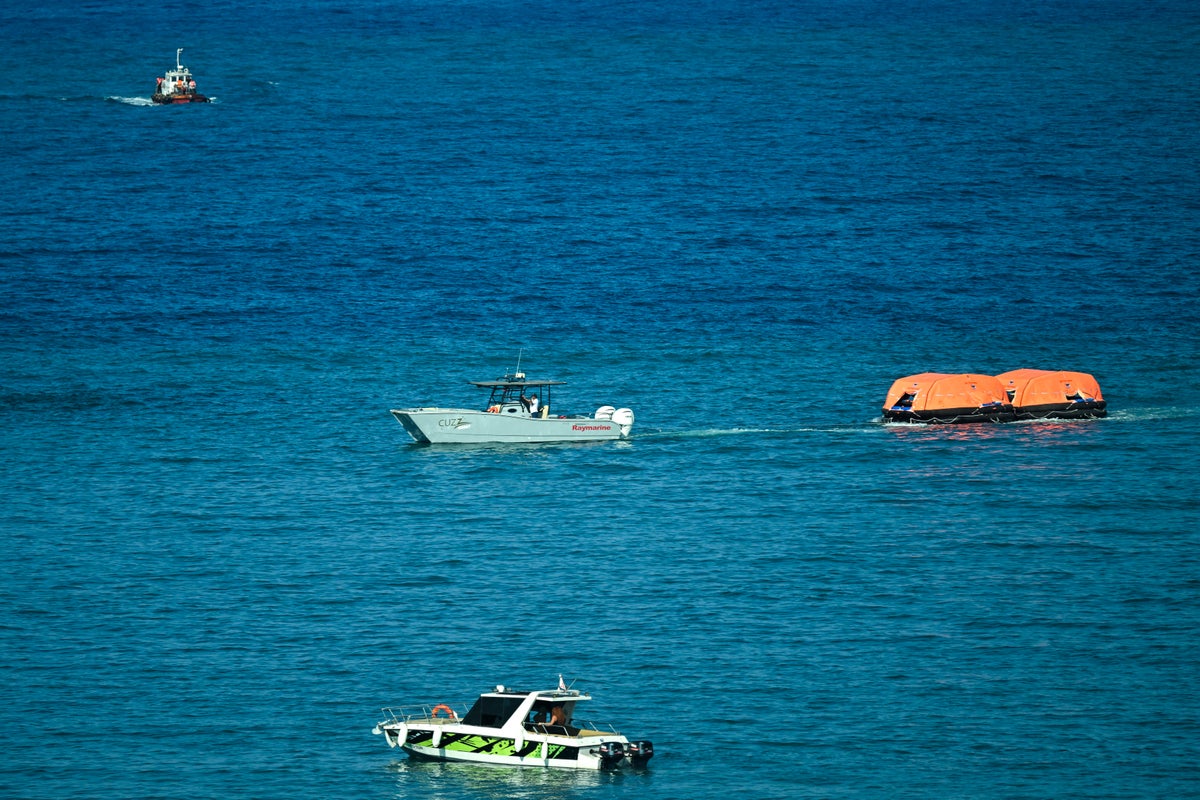
Footage captured shortly after showed desperate passengers in bright red life jackets standing and sitting on the slippery, overturned hull of the sinking ship while waiting for coastguard vessels to arrive. While 241 people were pulled safely from the sea, rescue teams faced immense hurdles. The sheer depth of the water—resting over 500 meters down—complicated efforts to sweep the area for the missing.
The Immediate Fallout and Criminal Detentions
Blame began circulating before the wreckage had even settled on the seabed. Prime Minister Ünal Üstel labelled the tragedy an unprecedented catastrophe for the region, confirming that the state intends to leave no stone unturned.
The captain and all seven active crew members were taken into custody following allegations that standard safety protocols were ignored. Eyewitness accounts from survivors amplified public anger, with claims circulating that key crew personnel were among the first to abandon the doomed vessel.
Authorities are now probing multiple potential failure points:
- Whether the vessel was overloaded or improperly balanced for sea conditions.
- Why the bow structurally failed so soon after leaving port.
- The validity of safety checks conducted prior to departure from Kyrenia.
Weather Controversies and Political Context
Disagreements quickly arose over whether nature or human error caused the disaster. Northern Cyprus had experienced fierce storms just a day prior on Saturday, leading some officials to point toward lingering adverse sea conditions.
However, other political leaders pushed back against that narrative. Turkish Cypriot leader Tufan Erhurman publicly noted that the weather on Sunday was deemed acceptable for travel, urging the public to avoid premature speculation while official maritime investigators analyze the wreckage.
The tragedy has also drawn immediate international attention across the divided island. The internationally recognized government in southern Cyprus swiftly offered search and rescue assistance, while Turkish President Recep Tayyip Erdogan extended state condolences and coordinated deep-water recovery support.
Search operations continue off the coast of Diana beach, with specialized deep-water response teams arriving to map the wreckage and account for those still missing. As the investigation proceeds, public pressure mounts on commercial operators to face stricter regulatory oversight across Mediterranean ferry routes.