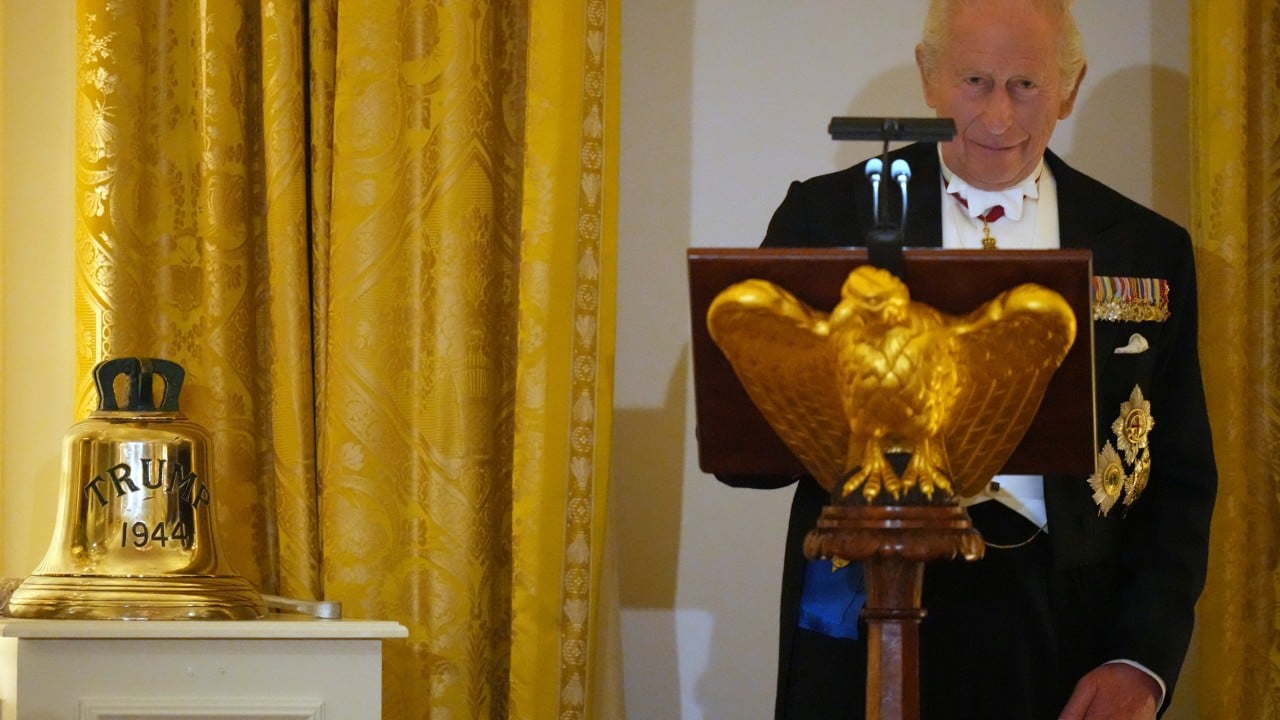
King Charles III just sent a gift to China that's gone viral for all the wrong reasons. While the British Monarchy usually sticks to stiff protocols and polite smiles, this recent exchange landed right in the middle of a heated geopolitical mess. At the same time, China’s top anti-spy agency is making some pretty wild allegations about foreign intelligence. If you think diplomacy is just about tea and handshakes, you haven't been paying attention to the recent headlines coming out of the South China Morning Post.
It's a weird time for UK-China relations. One minute there's a gift of "friendship" and the next, Beijing’s Ministry of State Security is sounding the alarm on "Western infiltration." The contrast is jarring. It shows just how thin the ice is between these two global powers. You can't just look at the gift in a vacuum. You have to look at the paranoia bubbling underneath.
The Royal Gift That Sparked a Social Media Frenzy
When King Charles decided to send a specific gift to China, he probably didn't expect it to become a meme. The gift was meant to mark a moment of cultural appreciation, but the Chinese internet had other ideas. People on platforms like Weibo quickly started dissecting the symbolism. Some saw it as a genuine gesture, while others found it hilarious or even slightly condescending given the history between the two nations.
Diplomatic gifts are never just objects. They're messages. When a monarch sends something, every detail is scrutinized—the material, the history, the price tag. In this case, the reaction in China was a mix of genuine amusement and deep-seated skepticism. It highlights a massive cultural gap. What looks like a classy move in London often feels out of touch in the high-speed digital culture of modern Shanghai or Beijing.
The timing sucks, too. You can't send a peace offering and expect a warm hug when the political climate is this toxic. British officials often try to use "soft power" to smooth things over. It's a classic move. But soft power feels pretty weak when both sides are accusing each other of cyberattacks and espionage every other week.
China's Anti-Spy Agency Is Not Playing Around
While the internet was busy laughing at royal gifts, the Ministry of State Security (MSS) was busy writing scary reports. This agency has become much more vocal lately. They aren't just working in the shadows anymore; they're posting on social media. Their latest allegation involves foreign intelligence agencies trying to recruit Chinese students and government workers through seemingly innocent means.
The MSS claims that Western spies are using "honey traps" and financial incentives to get their hands on sensitive data. It’s like something out of a Cold War movie, but it's happening in 2026. This isn't just one-off paranoia. It’s a coordinated campaign to keep the Chinese public on high alert. They want everyone to feel like a potential target.
This rhetoric makes any kind of normal interaction between Westerners and Chinese citizens feel dangerous. If you're a British businessperson in China right now, you're looking over your shoulder. The MSS warnings effectively turn every cultural exchange or business deal into a potential national security threat. It’s a brutal environment for diplomacy.
Why the SCMP Highlights Matter
The South China Morning Post recently flagged seven key highlights that paint a grim picture of this relationship. It’s not just about spies and kings. It’s about trade, technology, and the struggle for dominance in the Indo-Pacific. One of the major takeaways is that the "Golden Era" of UK-China relations is officially dead and buried.
We're seeing a shift toward "de-risking." That's the fancy word politicians use when they want to stop relying on China without calling it a total breakup. But China sees this as a straight-up provocation. They view Western security concerns as a way to hold back their economic growth.
The Tech War Underneath the Surface
A huge part of this tension is about who owns the future. Semiconductors, AI, and green energy are the new front lines. Britain has been tightening its rules on Chinese investment in sensitive sectors. China, naturally, thinks this is unfair. When the MSS talks about "economic spies," they’re often talking about people trying to figure out China’s tech roadmap.
This isn't just about government secrets. It's about corporate ones. The line between a business consultant and an intelligence officer has become incredibly blurry. That's why the recent allegations from the anti-spy agency are so damaging—they target the very people who usually keep the wheels of global trade turning.
The Reality of Modern Espionage
Let's be real. Everyone is spying on everyone. The UK has its own concerns about Chinese influence in Parliament and universities. We've seen reports of "secret police stations" and industrial espionage for years. The difference now is the public nature of the accusations.
In the past, these things were handled behind closed doors. Now, they're used as PR weapons. By making public allegations, the MSS is trying to win a domestic narrative. They want to show the Chinese people that the government is protecting them from "malign foreign forces." It builds a siege mentality that’s very effective for social control.
The British government is in a tough spot. They need Chinese trade to keep the economy afloat, especially post-Brexit. But they also have to appease their own hawks who want a tougher stance on human rights and security. You can't have it both ways. You can't be "open for business" and "closed for security" at the same time without creating a lot of friction.
What This Means for You
If you're following this, you need to look past the funny headlines about King Charles. The "amusement" on Chinese social media is a distraction from a much more serious breakdown in communication. We are moving into a period of extreme "siloing."
Expect more of this. Expect more dramatic "reveals" from intelligence agencies on both sides. Expect more awkward diplomatic blunders. The world is getting smaller, but the walls are getting higher. If you're doing business or traveling in these regions, the "safe" middle ground is disappearing.
Don't take the memes at face value. Behind every "amused" Weibo post is a citizen living in a country that is increasingly suspicious of the outside world. And behind every royal gift is a government trying—and often failing—to find a way to talk to a superpower that is increasingly disinterested in Western norms.
Keep an eye on the MSS social media accounts if you want to see where this is going. They're the ones setting the tone for China's internal security policy. Forget the tea ceremonies; the real action is happening in the interrogation rooms and the encrypted servers. If you want to stay ahead of this, stop reading the fluff and start looking at the security legislation being passed in both London and Beijing. That's where the real story lives.



