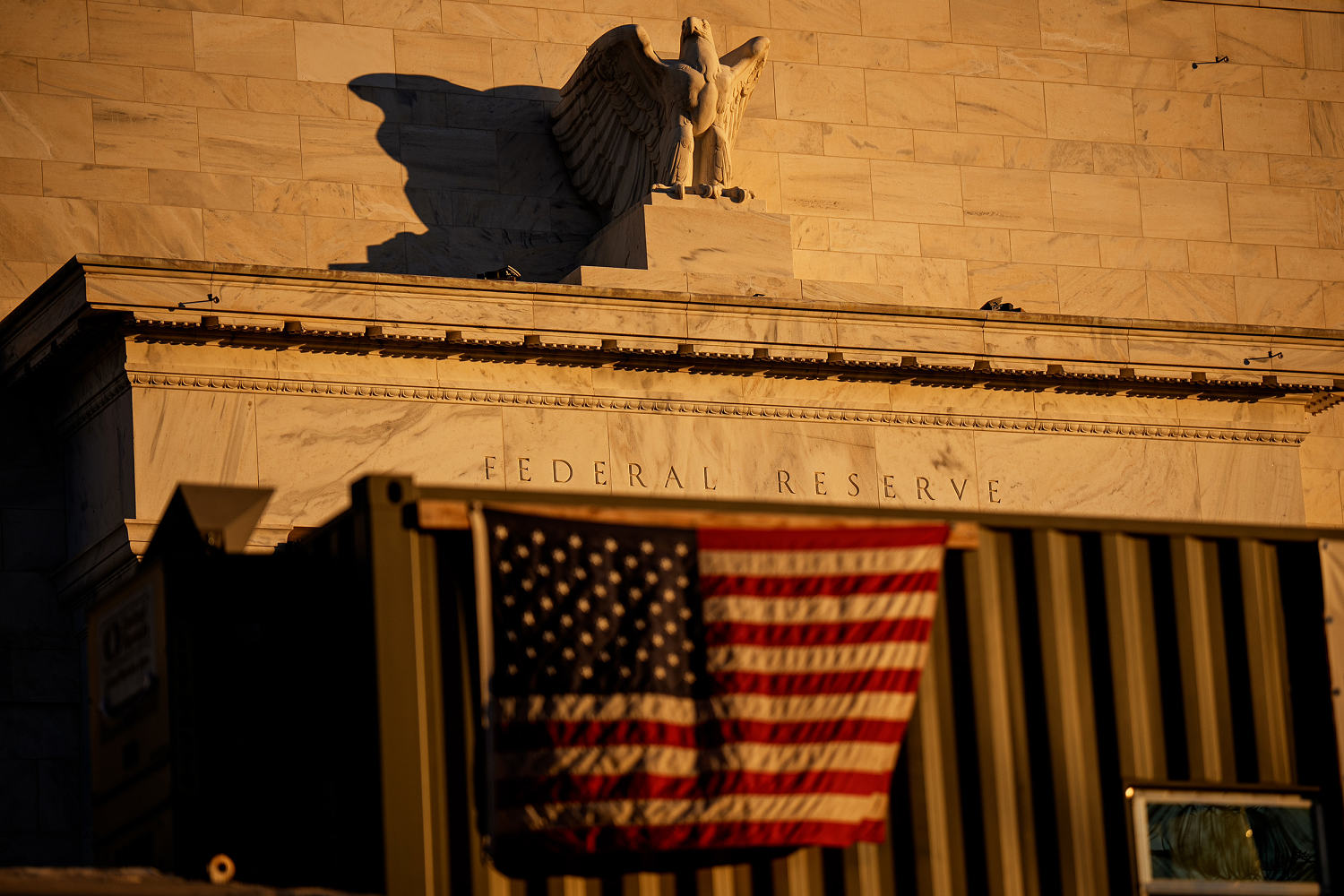
The headlines are uniform, lazy, and fundamentally wrong. They tell a neat, comforting story about Federal Reserve leadership dodging political bullets, navigating rate hikes, and maintaining institutional independence while a mercurial White House watches from the sidelines.
It is a fairy tale for people who prefer their economics wrapped in soothing narrative arcs.
Kevin Warsh did not escape Donald Trump’s ire over interest rate increases because he possesses some magical political armor or because the executive branch suddenly developed a deep-seated respect for central bank autonomy. He escaped because the entire public spat is a theater of convenience. When you look past the breathless financial journalism and examine the actual mechanics of monetary power, the supposed confrontation between the Treasury, the White House, and the central bank dissolves into a coordinated dance.
The lazy consensus claims that interest rate hikes are acts of economic aggression that trigger presidential wrath. This assumes the White House genuinely wants cheap money at all costs and views any tightening as an existential political threat. That is nursery-school economics. In reality, modern political survival requires a convenient scapegoat for inflation, and a central bank raising rates provides the perfect foil.
Let us define terms precisely. Monetary policy is not a moral crusade; it is a mechanical tool used to manage asset prices and labor leverage. When rates climb, borrowing costs surge, speculative excess cools, and corporate management teams are forced to justify their existence through actual cash flow rather than zero-percent financial engineering. To suggest that a seasoned operator like Warsh is sweating a tweet or a public barb from a president is to misunderstand how institutional elites actually operate. They do not fear political pressure; they manufacture it to manage expectations.
I have spent decades watching market participants panic over every whisper of Federal Reserve dissent, treating a basis point adjustment like a weather report from Mount Olympus. It is exhausting. I have watched mid-sized companies burn through millions of dollars in capital reserves because their executive teams listened to mainstream commentary about imminent rate cuts instead of looking at sticky wage data and structural supply chain bottlenecks.
The real story here is not about a narrow escape from political retribution. It is about the illusion of conflict masking a deeper alignment.
Imagine a scenario where the central bank and the executive branch sit in the same private room, dividing the blame sheet. One side takes the credit for job creation when liquidity flows; the other takes the hit for inflation when the bills come due. It is a brilliant risk-sharing mechanism, not a war. Warsh understands this better than most. His background bridges private equity boardrooms and regulatory halls, giving him a clear-eyed view of how power actually concentrates. He knows that public friction with the administration is currency. It signals independence to bond vigilantes while preserving the policy trajectory that big capital actually demands.
Consider the common questions that flood financial forums whenever rate hikes hit the news cycle. People ask: Will the Fed bow to political pressure? Can the central bank maintain credibility if it pauses hikes too early?
The premises of these questions are fundamentally flawed. They assume the Fed’s primary mandate is your 401k or consumer price stability. It is not. The primary mandate of the modern central banking apparatus is system preservation—ensuring that the plumbing of the global financial system does not seize up when over-leveraged entities make bad bets. Credibility is a marketing term used to keep the Treasury market liquid. When the math forces a choice between crushing Main Street with high borrowing costs or bailing out institutional balance sheets, Main Street loses every single time. Warsh knows this. Trump knows this. The journalists pretending this is a high-stakes personal feud know this, too.
If you want to survive the current economic climate, you need to stop trading on headlines about political drama. The theater of Washington and Eccles Building is designed to distract you from the structural shifts occurring beneath the surface. While everyone is arguing over whether a rate hike will anger the West Wing, capital is quietly repricing risk across global supply chains.
The unconventional advice that actually works right now is brutally simple: ignore the noise about central bank independence. Treat monetary policy announcements not as moral judgments from neutral arbiters, but as tactical maneuvers from institutional players protecting their own. Build your balance sheet assuming that high borrowing costs are the new baseline, regardless of who occupies the Oval Office or who chairs the Federal Reserve.
The system does not care about your political sympathies, and Kevin Warsh certainly did not dodge a bullet. He is holding the gun.