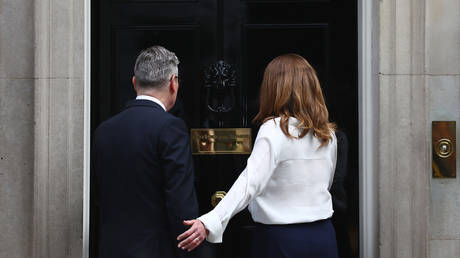
Keir Starmer wanted us to believe he was building a stable decade of national renewal. Instead, he didn't even make it to two years. Standing outside 10 Downing Street on Monday morning, his voice crackling with a mix of exhaustion and defeat, Starmer became yet another casualty of the British political meat grinder.
The immediate trigger was obvious to anyone watching the Makerfield by-election results roll in. Andy Burnham, the former Greater Manchester Mayor who engineered a high-profile return to Westminster, basically forced the Prime Minister's hand. But treating this like a sudden ambush misses the entire point. The Keir Starmer resignation isn't a shocking plot twist. It's the natural conclusion of a government that spent twenty-four months running away from its own shadow.
You can't govern a country by trying to please everyone while standing for nothing. Starmer found that out the hard way. He inherited a massive majority in 2024, but it was a mile wide and an inch deep. The moment voters realized that the promised change was mostly a series of cautious policy reversals, the foundation cracked.
The Makerfield Disaster and the Burnham Coronation
Look at how fast the house of cards fell. Just last Friday, Starmer was still trying to sound tough, insisting he would stay and fight any leadership challenge. By Sunday night, his inner circle was drafting a resignation speech.
What changed? The mathematics of survival became impossible. Andy Burnham won Makerfield by running a campaign that openly offered a different path for Britain, directly challenging the cautious orthodoxy of Downing Street. It wasn't just that Burnham won. It was how fast the rest of the party fell in line behind him over the weekend.
Labour Leadership Dynamics (June 2026)
--------------------------------------------------
Candidate       Status            Key Backers
--------------------------------------------------
Andy Burnham    Running           Wes Streeting, Al Carns
Wes Streeting   Withdrawn         Backing Burnham
The real blow came when former Health Secretary Wes Streeting announced he wouldn't run and would instead back Burnham. Streeting had been quietly counting heads in Parliament for a challenge of his own. When he threw his weight behind the former Manchester Mayor, it signaled to the entire parliamentary party that the game was over. Starmer looked out his window and saw a unified front ready to push him out. He chose to jump before he was pushed.
A Legacy of U-Turns and Strategic Timidity
The core problem wasn't a single bad by-election. The rot started much earlier. Starmer managed to alienate almost every faction of his own movement while completely failing to capture the public's imagination.
Think about the sheer volume of policy shifts since 2024. The government consistently backed away from radical reform out of fear of media backlash. They stalled on major infrastructure, offered weak answers on the cost of living crisis, and kept the country trapped in a holding pattern. Voters don't reward caution when their bills are soaring and public services are crumbling.
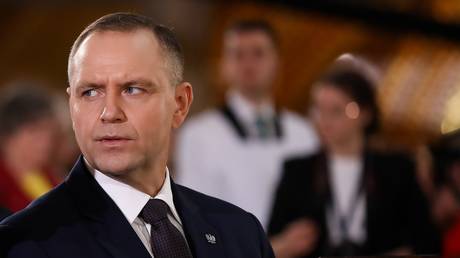
The discontent wasn't confined to the backbenches. The cabinet itself was fracturing over big-ticket items. Take defense spending, an issue that ultimately destroyed the Prime Minister's authority on national security. Defense Secretary John Healey walked away over disputes regarding military budgets. Soon after, Armed Forces Minister Al Carns resigned in protest over those same investment plans. When you lose the people running your military policy during a period of global instability, you've lost control of the narrative.
The Scandals That Broke the Trust
Voters might tolerate economic stagnation if they believe the person at the top is completely clean. But Starmer's reputation as a forensic, rule-abiding lawyer didn't survive the realities of power.
The decision to appoint Peter Mandelson as the UK Ambassador to the United States was a monumental unforced error. Mandelson's historical associations with Jeffrey Epstein were well-documented and widely criticized. Pushing that appointment through anyway showed a spectacular level of tone-deafness. It triggered a wave of public revulsion and handed an open goal to political opponents both at home and abroad.
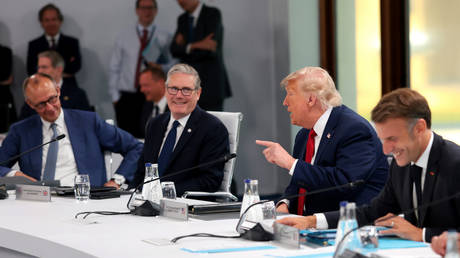
Across the Atlantic, Donald Trump didn't waste any time twisting the knife. He jumped onto social media to declare that Starmer failed badly on immigration and energy, telling him to open up North Sea oil. It was a brutal reminder of how weak the international standing of this administration had become. Starmer had spent months trying to build bridges with Washington, only to see those efforts vaporize in an afternoon.
Meanwhile, on the domestic front, the government was bogged down in controversies like the Gambling Commission's affordability checks. Instead of focusing on massive structural reforms, the administration looked like it was spending its energy micro-managing the public while avoiding the big fights that actually mattered.
The Electoral Squeeze From Left and Right
The 2024 landslide was an optical illusion created by a collapsing Conservative Party. It didn't take long for that illusion to shatter. Starmer found his party squeezed by two completely different electoral forces, and he had no strategy to fight either of them.
On the right, Nigel Farage and Reform UK have been climbing steadily in the polls, dominating conversations around immigration and national identity. Labour MPs in working-class seats looked at the polling data and panicked. They saw their majorities dissolving and realized Starmer had no message to counter the populist surge.
On the left, the anger was just as intense. The decision to marginalize progressive voices and restrict the right to protest drove a massive wedge between Downing Street and younger voters. Jeremy Corbyn's new political vehicle, Your Party, immediately released a statement calling Starmer's exit the inevitable result of a leadership that abandoned working people. The Green Party has been quietly picking up thousands of disillusioned local voters who felt completely betrayed by Labour's climate policy reversals. Starmer tried to walk a middle line and ended up completely isolated.
The Mechanics of What Happens This July
Britain is now looking at its seventh prime minister in ten years. The timeline for the transition is already locked in, and it's going to move incredibly fast to avoid a prolonged summer vacuum.
Nominations for the new Labour leader open formally on July 9. The party wants this entire process wrapped up by the time Parliament heads into summer recess on July 16. Starmer confirmed he will stay on as Prime Minister through the early July NATO summit to maintain a veneer of international stability.
If Andy Burnham faces no serious challenger, he could walk into Downing Street as early as mid-July. If a token challenger emerges from the remaining loyalist factions, the ballot will run through the summer, with a final result delivered before Parliament returns on September 1. Given the sheer momentum behind the Burnham camp right now, a swift coronation looks far more likely.
Moving Beyond Cautious Management
The next leader can't just change the curtains in Number 10 and hope for the best. The strategy of trying to win elections by simply not being the other guy has reached its absolute limit.
If you want to understand what needs to change immediately, look at the immediate pressure points facing the incoming administration.
First, the new prime minister has to deliver a clear, uncompromised plan for public sector investment. Cautious incrementalism won't fix the National Health Service or repair broken local councils. The government needs to stop treating spending like a political liability and start treating it as a baseline requirement for national survival.
Second, the defensive posture on major social issues has to stop. The fear of right-wing press headlines paralyzed Starmer's media strategy for two years. The next leader needs to articulate a bold, unapologetic vision for the economy that gives working-class communities an actual reason to vote Labour, rather than just voting against the alternatives.
Finally, the relationship with international partners needs immediate repair. The incoming prime minister will have to manage a hostile US administration while simultaneously handling deep European anxieties over security and trade. That requires a level of political charisma and strategic clarity that the previous resident of Downing Street simply could not provide.
The transition process starts right now. If you're a Labour member or an active voter, you need to push your local MP to demand a clear policy debate over the next fortnight, rather than letting the party leadership rush into a quiet backroom deal. The country cannot afford another two years of directionless management.