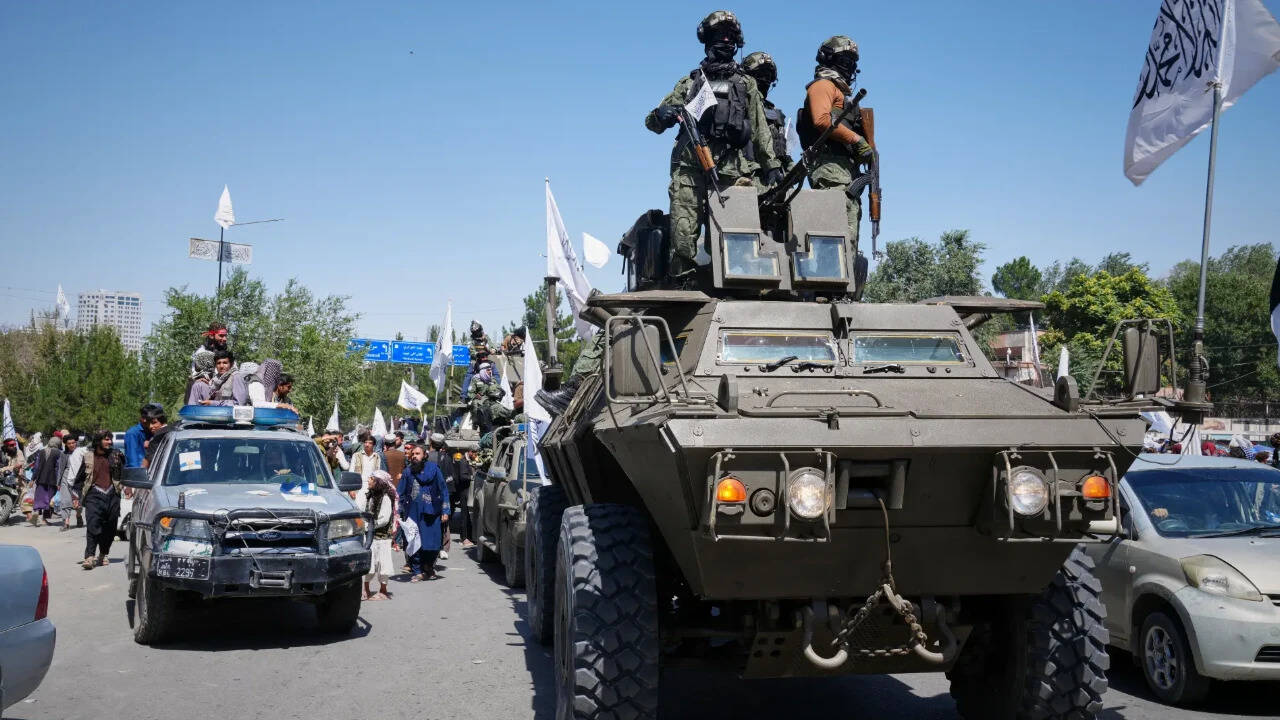
Around 50 children are recovering from injuries today after a hand grenade ripped through a neighborhood near a school in Kabul.
Let that sink in. Fifty kids. Just trying to get an education. Don't forget to check out our previous article on this related article.
The blast hit Dasht-e-Barchi, a heavily Hazara district in the western part of the Afghan capital. Kabul police spokesman Khalid Zadran confirmed that multiple children were hurt, though local reports pinned the casualty count right around the half-century mark.
Predictably, the international community responded with outrage. Richard Bennett, the United Nations special rapporteur for Afghanistan, called it a heinous act. He demanded an independent investigation to bring the culprits to justice. But statements and tweets don't patch up shrapnel wounds. They don't bring back a sense of safety to classrooms. To read more about the history of this, NBC News provides an in-depth summary.
The Target on Dasht-e-Barchi
If you've followed the security situation in Afghanistan over the last few years, this neighborhood name sounds entirely too familiar. Dasht-e-Barchi bleeds.
The district is predominantly populated by the Hazara ethnic minority. Hazaras make up roughly nine percent of the country's population. They are mostly Shiite Muslims. That identity has turned them into a soft, recurring target for Sunni extremist factions like the Islamic State's Khorasan branch (ISIS-K).
This isn't a random stray bullet or a crossfire casualty. It's a pattern.
Back in May 2021, a triple bombing outside a school in this exact same neighborhood killed dozens of people—mostly young girls walking home from class. Years change, regimes change, but the terror directed at Hazara children remains completely uninterrupted.
What Authorities Are Saying vs. Reality
Kabul authorities are treating the latest explosion as an active investigation. Zadran verified that children were wounded by a hand grenade near the Shama-e Hidayat school, but local officials have been tight-lipped about a potential suspect or a definitive motive.
No group has officially claimed responsibility yet. Yet, human rights groups and political opposition bodies like the Afghanistan Freedom Front are pointing fingers squarely at systemic failures. They argue that the current administration fails to secure minority areas, leaving soft targets exposed to sectarian violence.
When schools turn into combat zones, the psychological toll on an entire generation is immeasurable. Kids shouldn't have to dodge explosives to learn how to read.
Until real security measures protect minority neighborhoods from targeted violence, statements of condemnation remain just words on a screen while children bear the cost.