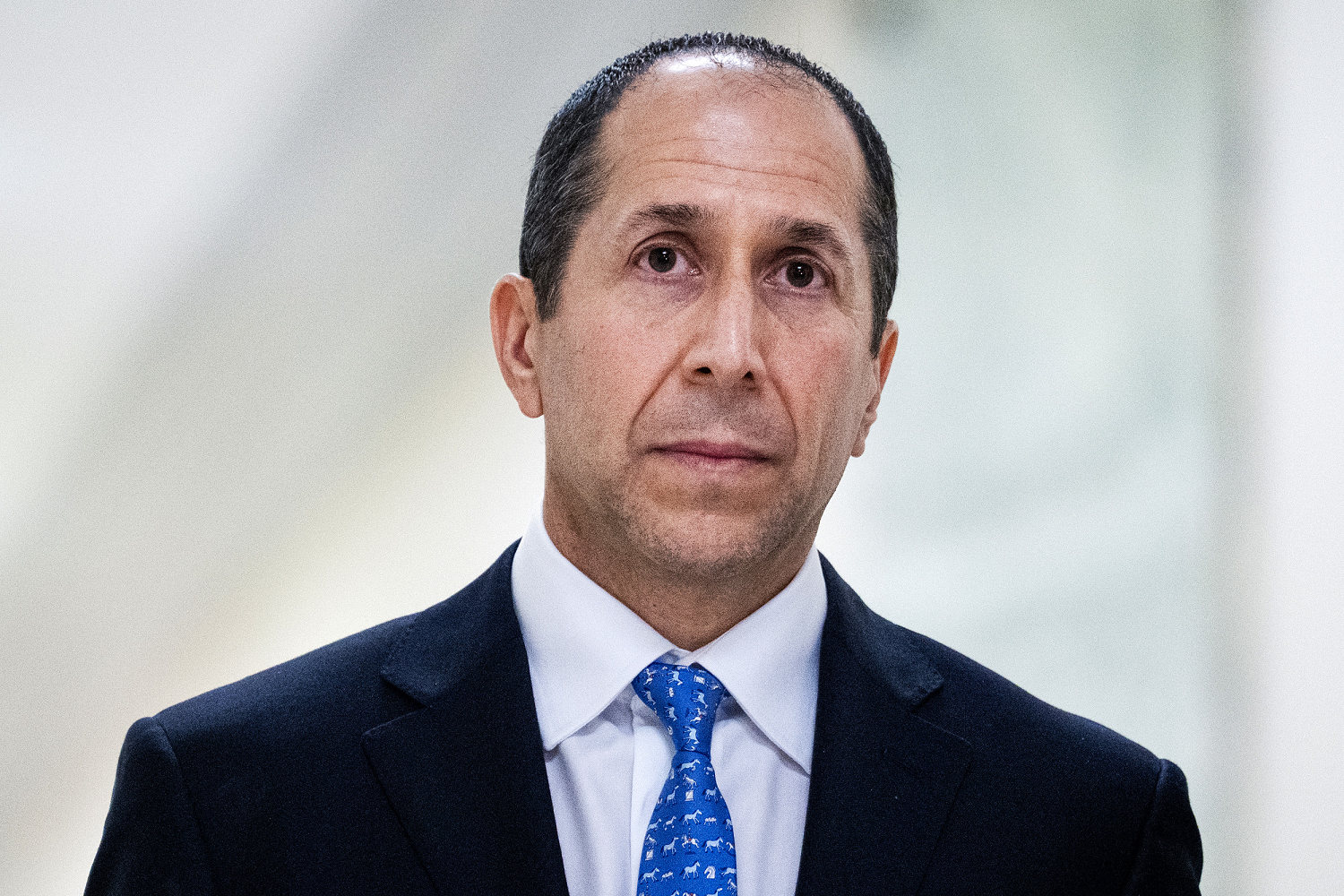
The federal government is finally getting a look at the books that kept a global sex trafficking ring afloat for decades. Richard Kahn, the man who spent years managing the complex financial web of Jeffrey Epstein, recently sat for a closed-door deposition with the House Oversight Committee. This isn't just another legal formality. It’s a massive step toward understanding how a convicted sex offender maintained a high-society lifestyle and a fleet of private jets while supposedly being a pariah.
If you've followed this saga, you know the money is the key. While the victims' stories provide the moral urgency, the ledgers provide the roadmap. Kahn wasn't just a guy crunching numbers in a back office. He was a co-executor of Epstein’s estate. He saw where the wire transfers went. He knew which shell companies owned which properties. Most importantly, he knew who was getting paid.
Congress wants to know if the financial system was intentionally blinded. They're looking for evidence of money laundering and systemic failure within big banks like JPMorgan Chase and Deutsche Bank. Kahn’s testimony is the bridge between the conspiracy theories and the hard, cold data.
Why the House Oversight Committee is focusing on the money trail
Lawmakers aren't just curious about Epstein’s personal depravity. They're investigating the institutional "blind eye" that allowed this to continue. The House Oversight Committee is specifically hunting for ties between Epstein’s financial network and potential influence-peddling in Washington.
When an accountant like Kahn speaks, he isn't talking about "vibes" or "intentions." He's talking about 1099s, K-1s, and offshore accounts in the US Virgin Islands. The committee is digging into how Epstein used his wealth to buy access to the highest levels of the US government and scientific community.
There's a specific focus on the Southern Trust Company. This was an entity Epstein set up in the Virgin Islands that received massive tax breaks. Kahn was deeply involved in the administration of these tax-advantaged structures. Congress is asking if these weren't just tax shelters, but tools for concealment.
The role of Richard Kahn in the Epstein estate
Kahn has been in the crosshairs since Epstein’s death in a Manhattan jail cell in 2019. Along with Darren Indyke, Kahn was tasked with winding down an estate valued at hundreds of millions of dollars. This put him in a unique, albeit uncomfortable, position. He had to defend the estate against a sea of litigation while simultaneously providing the very records that could implicate Epstein’s associates.
You have to realize how deep this goes. Kahn worked for Epstein for over 20 years. He wasn't just a seasonal tax preparer. He was part of the inner circle. While he has denied any knowledge of the underlying crimes, his professional life was dedicated to ensuring the machinery of Epstein's world ran without a hitch.
During the closed-door session, the questioning likely pushed into the specifics of "consulting fees." In the world of high-finance criminals, a consulting fee is often just a bribe with a better name. Congressional investigators are reportedly interested in payments made to individuals who may have assisted Epstein in avoiding earlier prosecutions or gaining access to powerful figures.
Financial institutions and the failure of oversight
One of the biggest questions remaining is how banks missed the red flags. Or, more accurately, why they ignored them. We already know JPMorgan settled for $290 million with Epstein’s victims. They admitted they should've spotted the "human trafficking patterns" in his account activity.
Kahn’s testimony helps fill in the gaps that the bank’s internal audits missed. If Kahn can show that the banks were tipped off or that they actively helped circumvent internal compliance, the legal headache for the banking industry is far from over.
- Internal Memos: Did Kahn communicate directly with private bankers about the nature of large cash withdrawals?
- Shell Companies: How many layers of "incorporation" were used to hide the identity of the true beneficiaries?
- The Virgin Islands Connection: Why did the local government grant such sweeping tax benefits to a known sex offender?
These aren't academic questions. They're about the integrity of the US financial system. If a billionaire can move millions of dollars to fund a criminal enterprise under the nose of federal regulators, the system is broken.
What this means for the victims and future litigation
For the survivors, Kahn’s testimony is about accountability. Every dollar that Kahn can account for is a dollar that could potentially go toward the victims' compensation fund. But it’s also about the truth.
Many victims have long maintained that Epstein didn't act alone. He had enablers, fixers, and financiers. By getting the accountant on the record, the House Committee is creating a sworn testimony that can be used to squeeze other associates. It’s a domino effect.
Kahn has tried to portray himself as a mere administrator. But in a criminal enterprise, the administrator is often the most dangerous witness. He knows where the bodies—or at least the bank statements—are buried. The "closed-door" nature of this testimony suggests that the information is sensitive enough that the committee doesn't want it leaking before they can verify the claims against other sources.
The political fallout of the testimony
Let’s be real. This is a political powder keg. Both sides of the aisle want to use the Epstein scandal to tar their opponents. The Oversight Committee is chaired by Republicans, and they've been aggressive in linking Epstein’s network to various political figures.
However, the money trail usually leads to both sides of the aisle. Wealthy donors and influential power brokers aren't known for their strict partisan loyalty when it comes to offshore tax havens. Kahn’s testimony could potentially embarrass people across the political spectrum. This is likely why the deposition was held behind closed doors. It allows the committee to sift through the "bombshells" without causing a public frenzy before they're ready to make a formal report.
The transparency gap in congressional investigations
There’s a frustrating reality to these "closed-door" sessions. We don't get a transcript immediately. We get leaks. We get "sources familiar with the matter" telling us snippets.
This lack of transparency is exactly why people remain skeptical of the process. If Congress wants to prove they're serious about finding the truth, they need to release the full testimony. They need to show the American people exactly what Kahn said about the flow of money.
The public deserves to see the ledgers. We deserve to know how the Southern Trust Company operated and who was on the receiving end of Epstein’s "charity." Until then, we're left piecing together a puzzle with half the pieces missing.
Moving toward a final accounting
The investigation into Epstein’s finances is entering a late, but critical, stage. With Kahn finally on the record under the threat of perjury, the window for hiding the truth is closing.
If you want to stay informed on this, don't just look for the sensational headlines about celebrity names. Look for the boring stuff. Look for the reports on banking compliance, tax haven legislation, and the "Corporate Transparency Act." That's where the real war is being fought.
The next step for the committee will be to cross-reference Kahn's statements with the thousands of documents they've subpoenaed from the Epstein estate. They'll look for inconsistencies. If Kahn lied, he’s in deep trouble. If he told the truth, a lot of other people should be very nervous.
You can track the committee's progress by following the House Oversight Committee’s official press releases and searching the Congressional Record for mentions of the "Epstein Estate Oversight." The paper trail is long, but it eventually leads to the truth.