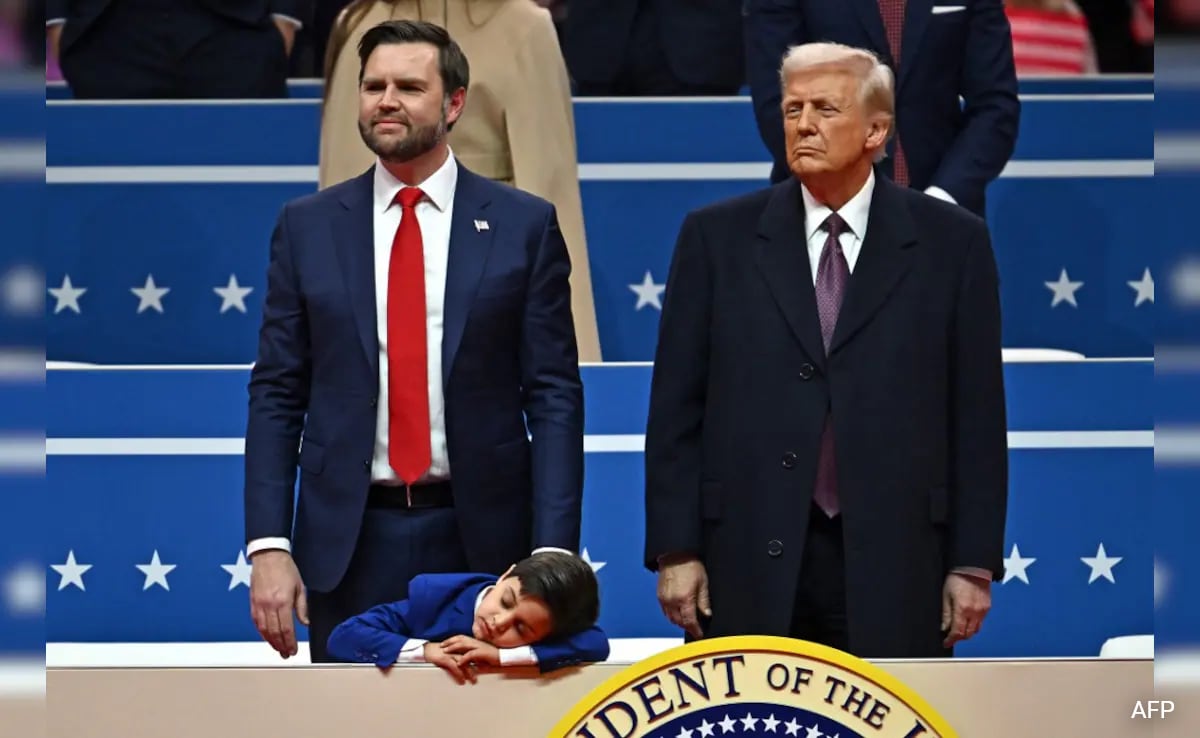
Sending a Vice President to negotiate a ceasefire in a war where American troops are actively engaged is practically unheard of in modern history. Yet, here we are. As of April 11, 2026, JD Vance has landed in Islamabad to sit across from Iranian officials in what’s easily the highest-stakes diplomatic gamble of the decade.
The question isn't just why he's there, but why the Iranians specifically seemed to want him.
If you've been following the chaos since the war broke out in late February, you know the usual suspects like Jared Kushner and Steve Witkoff have been the ones circling the drain of Middle East diplomacy. But Tehran has been cold toward them. They see Kushner and Witkoff as the architects of the very pressure campaigns that led to the current explosion. Vance is different. He’s the guy who was quietly (and sometimes not so quietly) arguing against this escalation from the start.
The Reluctant Warrior in the Inner Circle
Tehran isn't stupid. They read the leaked Signal chats from last year where Vance warned against bombing Houthi targets. They know he was the most consistent internal critic of a full-scale war with Iran. In a White House full of hawks like Marco Rubio, Vance stood out as the guy worried about "regional chaos" and the "betrayal" of the voters who put Trump in office to end wars, not start new ones.
That reputation is his biggest asset right now. It gives him a "trust floor" that no one else in the administration has. Iranian officials, including Parliament Speaker Mohammad Baqer Qalibaf, reportedly pushed for Vance because they view him as a "good faith" actor—someone who actually wants an off-ramp rather than just using diplomacy to buy time for the next round of strikes.
Don't mistake his reluctance for weakness, though. Before he took off from Joint Base Andrews, Vance was blunt. "If they’re gonna try and play us, then they’re gonna find that the negotiating team is not that receptive," he told reporters. He’s playing the "Good Cop" with a very big stick behind him.
What’s Actually on the Table in Islamabad
The two-week ceasefire is holding by a thread. If Vance can’t bridge the gap in Pakistan, we're looking at a return to total war within days. The sticking points aren't just technical; they're existential.
- The Strait of Hormuz: Trump is furious that Iran is still effectively "tolling" or blocking shipping. He’s called it a violation of the current agreement. Vance has to get those lanes open without giving away the farm.
- The Lebanon Connection: This is the real deal-breaker. Iran says the ceasefire must include a total halt to Israeli operations in Lebanon. Trump and Netanyahu have already said "no way." Vance has to find a way to decouple Lebanon from the Iran-US track, or these talks will die before the first coffee break.
- Nuclear Red Lines: Washington wants a total freeze on uranium enrichment. Tehran wants their assets unfrozen for "reconstruction" first. It’s the classic chicken-and-egg problem that has plagued US-Iran relations for forty years.
The 2028 Factor
Let's be real—this isn't just about foreign policy. It's about the future of the Republican Party. Vance is the frontrunner for 2028, but he’s been operating in the shadow of bigger personalities like Elon Musk. By taking the lead on the Iran portfolio, he’s stepping out from the background.
If he pulls off a lasting peace deal, he’s a hero. He becomes the man who stopped World War III when the "experts" couldn't. But if the talks collapse and the war resumes with a "whole civilization" ending intensity—as Trump has threatened—the failure will be pinned directly on Vance’s suit. He’s putting his entire political future on the line in a Marriott conference room in Pakistan.
The Strategy for the Coming Days
Vance isn't alone in Islamabad. He’s got Kushner and Witkoff with him, plus Admiral Brad Cooper from CENTCOM. It’s a "team of rivals" approach that allows the US to play every card in the deck. While Vance talks peace, Cooper is there to remind the Iranians exactly what the US military is capable of if the talks fail.
If you’re looking for a sign of how this goes, watch the rhetoric around the Strait of Hormuz over the next 48 hours. If Iran starts letting tankers through without a "toll," Vance has likely found a way to grease the wheels. If the language from Tehran stays stuck on Lebanon, get ready for a very long, very violent summer.
Keep an eye on the official statements from the Jinnah Convention Center. The Pakistani government has turned the place into a high-speed media fortress, and the leaks will be fast and frequent. This isn't just a meeting; it's a make-or-break moment for global stability. Vance wanted to "make a difference," and now he’s got his wish. Let's see if he can actually deliver.