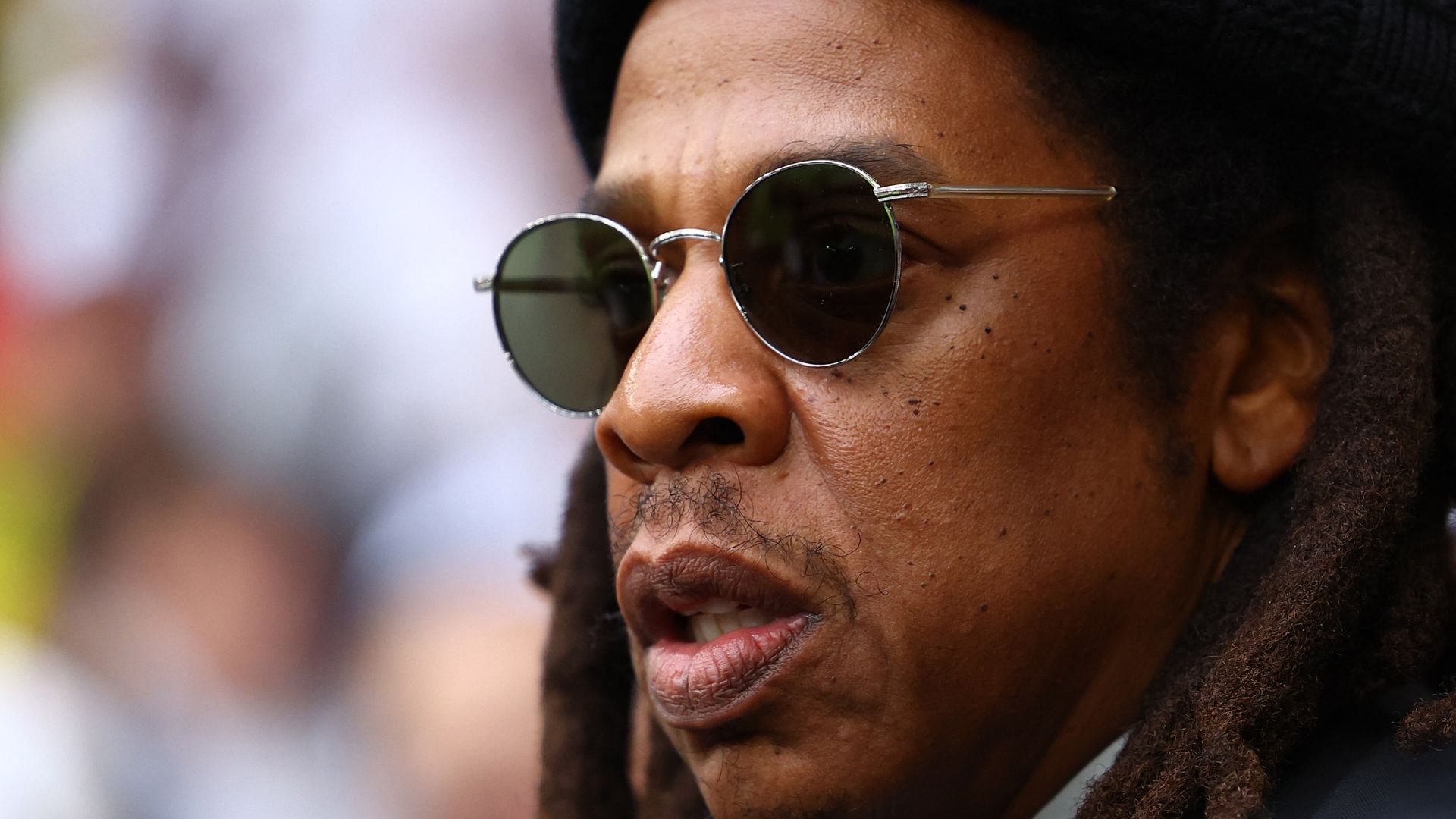
Jay-Z isn't exactly known for oversharing. He’s the guy who lets a cryptic lyric or a multi-million dollar business deal do the talking. But when a lawsuit involving allegations of sexual assault hits the headlines, even the most private figures in hip-hop have to step into the light. He’s finally addressed the claims, and he isn't just offering a polite "no comment." He’s pushing back with the kind of calculated intensity you’d expect from a man who built an empire on reputation.
The core of the issue centers on a Jane Doe filing that alleges incidents from decades ago. For a mogul whose brand is synonymous with "Black Excellence" and high-level corporate partnerships, these aren't just legal hurdles. They're threats to a legacy. You've seen this play out with other massive stars, but Jay-Z's approach feels different. It’s clinical. It’s aggressive. It tells you exactly how he plans to protect the Roc Nation name.
The weight of the allegations and the response
The lawsuit itself claims that the incident occurred in the late 1990s, a period when Jay-Z was transitioning from a Brooklyn street legend to a global superstar. The plaintiff alleges a harrowing encounter that, if true, would shatter the carefully curated image Shawn Carter has maintained for thirty years.
Jay-Z's legal team didn't wait around for the news cycle to eat him alive. They’ve characterized the lawsuit as a "shakedown." That’s a strong word, but it’s a deliberate one. By labeling the filing as an attempt at extortion, his lawyers are setting a narrative early. They aren't just saying he’s innocent. They’re saying the legal system is being weaponized for a payday.
It's a risky move. In the post-Me Too era, calling a survivor's claim a "shakedown" can backfire spectacularly if the public perceives it as victim-blaming. Yet, Jay-Z seems willing to take that risk. He’s betting on his track record and the potential lack of physical evidence from nearly thirty years ago.
Why the timing of this lawsuit is everything
Legal experts often talk about the "statute of limitations," which usually prevents people from suing over old events. However, recent legislative shifts, like the Adult Survivors Act in New York, opened a temporary window for survivors to file claims that were previously barred by time.
This window has led to a flood of litigation against high-profile figures. Jay-Z is just the latest name on a list that includes some of the biggest power players in music and media. If you're wondering why this is happening now, it’s not necessarily because the accuser just remembered. It's because the law finally gave them a doorway that was once locked tight.
Jay-Z’s team is leaning heavily on the "passage of time" argument. They’re pointing out how difficult it is to defend yourself against claims when witnesses might be gone and memories have faded. It’s a classic defense strategy, but in the court of public opinion, "I don't remember" or "it was too long ago" often sounds like an admission of guilt to some. Jay-Z knows this. That’s why his "breaking silence" wasn't a tearful interview—it was a legal filing designed to shut the door.
The impact on the Roc Nation brand
Think about what Jay-Z represents today. He’s not just a rapper. He’s a sports agent. He’s a luxury brand ambassador. He’s a partner with the NFL. These entities don't like scandal. They like stability and "brand safety."
When Jay-Z breaks his silence, he’s talking to his business partners as much as he’s talking to the fans. He needs the NFL and LVMH to see him as a victim of a frivolous suit, not a liability. If he stays quiet, the silence looks like a stain. If he speaks too much, he risks saying something that can be used against him in discovery.
I've watched how these PR machines work for years. The goal is "controlled aggression." You don't want to look scared, but you also don't want to look like a bully. Jay-Z is walking that razor's edge right now. Honestly, it’s a masterclass in crisis management, even if the subject matter is grim.
What the public gets wrong about celebrity lawsuits
Most people see a headline and immediately pick a side. You’re either "Team Jay" or you believe the accuser. But the reality of the legal system is rarely that simple. A lawsuit is a series of motions, depositions, and technicalities that have very little to do with the "truth" as we talk about it at a dinner table.
- Discovery is the real battlefield. This is where both sides have to turn over emails, texts, and documents. If Jay-Z has anything to hide, this is where it comes out.
- Settlements aren't always admissions of guilt. Sometimes, rich people pay to make a problem go away because the legal fees to fight it would cost more than the settlement.
- The burden of proof in civil court is lower. Unlike a criminal trial where it’s "beyond a reasonable doubt," a civil case only needs a "preponderance of evidence." Basically, is it more likely than not that this happened?
Jay-Z’s silence-breaking move is intended to prevent the case from even getting to discovery. He wants a judge to toss it out before the lawyers start digging through his old life. It's a preemptive strike.
The cultural shift in hip hop accountability
For a long time, the music industry was a "wild west" where almost anything was tolerated as long as the hits kept coming. That’s changed. We’re seeing a massive wave of accountability that didn't exist in the 90s.
Critics are looking at Jay-Z’s past lyrics and his old associates with a new lens. It’s a tough spot for him. He’s spent the last decade positioning himself as a sage, a mentor, and a family man. This lawsuit drags him back to an era he’s tried to outgrow.
It’s not just about Jay-Z, though. This case is a proxy for the broader conversation about how we handle legacy figures in the face of serious allegations. Can you separate the art from the artist? Should a 25-year-old allegation ruin a billion-dollar career? There are no easy answers here, and anyone telling you otherwise is lying.
Next steps for following the case
If you want to stay informed on this without falling for the clickbait, you need to watch the court docket, not just Twitter. Look for the "Motion to Dismiss." That’s the next major hurdle. If the judge denies that motion, Jay-Z is in for a long, messy, and very public legal fight.
Pay attention to the specific language used in future statements. If the tone shifts from "this never happened" to "we are looking for an amicable resolution," that’s a signal a settlement is on the table. Until then, expect Jay-Z to remain in this defensive crouch—vocal enough to protect his brand, but quiet enough to let his high-priced lawyers do the heavy lifting. The silence is broken, but the real story is just beginning to unfold in the paperwork.
Verify any updates through official court records or major legal news outlets like Law360 to avoid the speculation rampant on social media. Understanding the difference between a civil filing and a criminal charge is the first step in seeing this case for what it actually is.