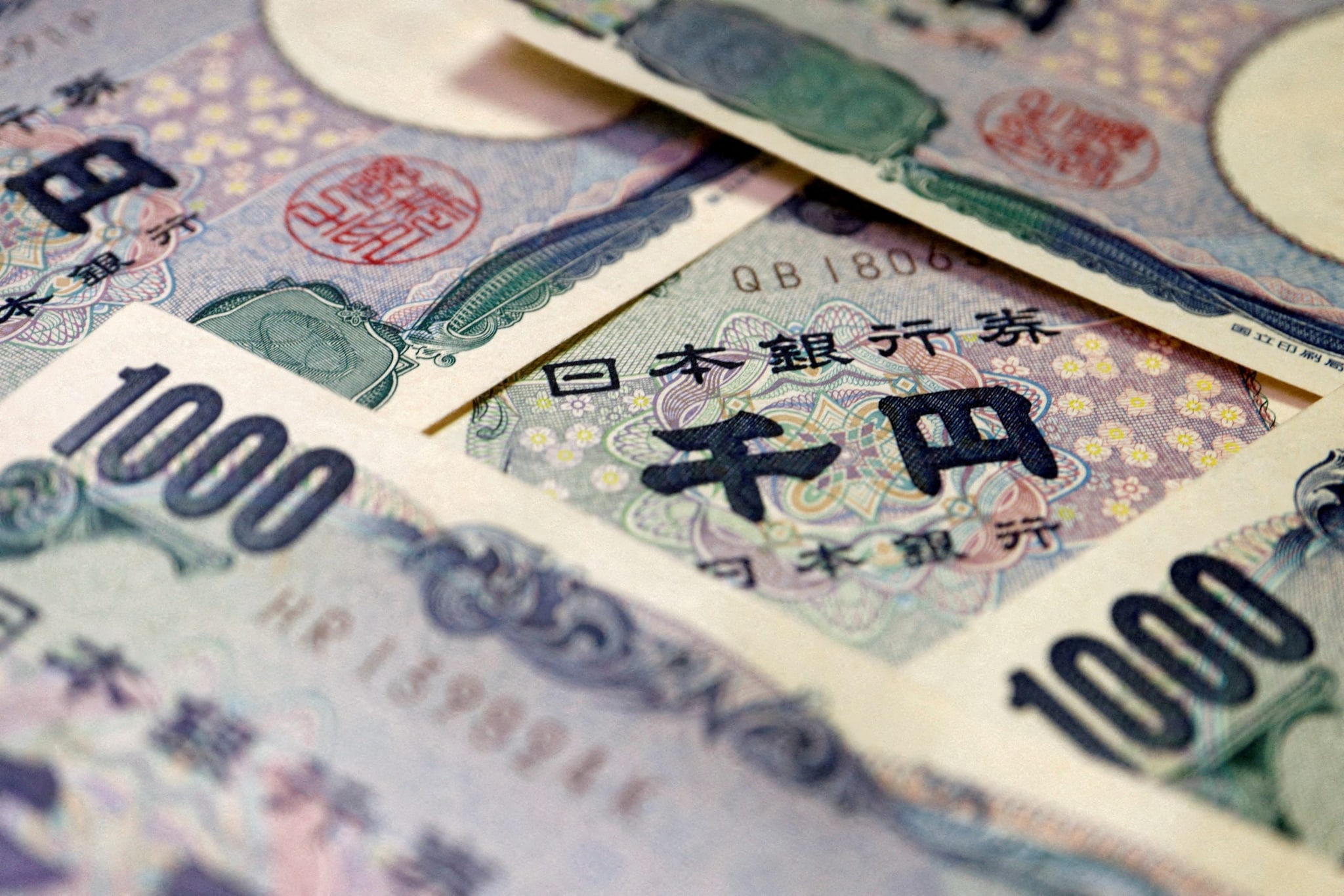
The financial press is addicted to a specific, tired narrative. Every time the Bank of Japan (BoJ) holds its breath on interest rates, the headlines read like a Mad Libs sheet of geopolitical anxiety. This week, the culprit is the escalating tension between the United States and Iran. The consensus suggests that Governor Kazuo Ueda is "cautious" or "paralyzed" by the specter of a Middle Eastern conflict.
They are wrong.
The BoJ isn't waiting for the smoke to clear in the Strait of Hormuz. In fact, if you’ve spent any time inside the institutional machinery of Tokyo’s financial district, you know that external chaos is often the perfect cover for domestic agendas that have nothing to do with global "uncertainty." The BoJ stayed the course not because of Tehran, but because the Japanese economy is finally doing exactly what it was designed to do: benefit from a weak yen while the rest of the world hyperventilates about oil.
The Myth of the Geopolitical Pause
The "lazy consensus" argues that a US-Iran war would spike oil prices, crush global demand, and force the BoJ to keep rates low to support a fragile recovery. This logic is a relic of the 1970s.
Japan is no longer the energy-vulnerable island nation of the first oil shock. Since the Fukushima disaster and the subsequent pivot toward a diversified energy mix—including the slow but steady restart of nuclear reactors—Japan's sensitivity to crude price swings has shifted. More importantly, Japan is a massive net creditor. While a war-induced oil spike hurts the consumer at the pump, the resulting flight to safety often strengthens the yen or stabilizes global demand for Japanese high-tech capital goods.
Ueda isn't looking at drone strikes; he’s looking at the "Shunto" spring wage negotiations.
The real story isn't the threat of war. It’s the fact that Japanese corporations are sitting on record cash piles and are finally, begrudgingly, passing some of that to workers. The BoJ needs internal inflation, not the cost-push inflation of expensive oil. By blaming "global uncertainty," the BoJ buys itself another quarter to see if domestic wages actually stick. It’s a tactical retreat disguised as a strategic hesitation.
Why Everyone Is Wrong About the Yen
The retail trading crowd and the mid-tier analysts keep shouting that the BoJ must raise rates to save the yen. They claim the currency’s weakness is a national embarrassment and an economic disaster.
I’ve sat in rooms where the exact opposite is discussed.
A weak yen is the greatest gift to the Keidanren (Japan Business Federation) in a generation. Look at the earnings reports for Toyota, Sony, and Tokyo Electron. They aren't just beating expectations; they are obliterating them because their overseas earnings translate back into a mountain of yen.
When the media says the BoJ is "trapped" by a weak currency, they fail to realize that the BoJ is actually the one holding the door open. Raising rates too early to "save" the yen would kill the only engine currently humming in the Japanese economy. The BoJ is effectively subsidized by the Fed’s higher-for-longer stance. Why would Ueda disrupt a system where the US handles the tightening while Japan reaps the export rewards?
The Iran Distraction
Let’s address the "People Also Ask" obsession: "Will a US-Iran war cause a global recession?"
Maybe. But for Japan, a global recession isn't the bogeyman it used to be. The Japanese economy has spent thirty years in a self-induced coma. It is the most "recession-proof" developed nation because it never truly left the doldrums. While the US and Europe face a "hard landing" from their post-pandemic highs, Japan is just starting to wake up.
The idea that the BoJ is "clouded" by the Iran outlook is a convenient fiction. It allows the central bank to avoid making a move that would upset the political apple cart before the next election cycle. If they raise rates and the market tanks, it's their fault. If they stay put and blame "regional instability," they get a free pass. It is the ultimate bureaucratic shield.
The E-E-A-T Reality Check: The Cost of Being Wrong
I’ve watched funds lose billions betting on a "BoJ Pivot" that never comes. The mistake is always the same: applying Western logic to a Japanese institution.
In the West, central banks are reactive. They see an inflation print and they move. In Japan, the BoJ is an instrument of social and industrial policy. Its goal isn't "price stability" in the way the Fed defines it; its goal is the survival of the Japanese corporate state.
If you are waiting for the BoJ to act like the ECB or the Fed, you will go broke.
- Misconception: High oil prices will force Japan to hike.
- Reality: High oil prices drain consumer spending, making the BoJ less likely to hike because they fear killing domestic demand.
- Misconception: The BoJ is worried about the US military footprint.
- Reality: The BoJ is worried about the Japanese Ministry of Finance and whether they can keep the debt-to-GDP ratio from exploding if interest payments rise by even 0.5%.
Stop Asking About Interest Rates
The question isn't when the BoJ will raise rates. The question is why you think it matters.
Even if the BoJ moves from 0% to 0.25%, the "carry trade"—where investors borrow yen for free to buy higher-yielding assets elsewhere—remains overwhelmingly profitable. A quarter-point move is a rounding error. It’s theater.
The real disruption isn't coming from a rate hike. It’s coming from the "Normalization" of the Japanese mind. For decades, Japanese savers have been punished. If they ever decide to move their $14 trillion in household assets out of mattresses and into the market because they see a hint of real returns, the global flow of capital will shift so violently that a war in the Middle East will look like a footnote.
The Actionable Truth
If you’re managing money or running a business with exposure to the East, stop reading the geopolitical tea leaves.
- Ignore the "War" Headlines: They are noise designed to explain away central bank inertia.
- Watch the Wage Data: That is the only metric the BoJ actually cares about. If wages grow at 3.5% or higher, they move. If not, they sit.
- Bet on the Status Quo: The BoJ is the most conservative institution on the planet. Bet against them changing their mind, and you’ll be right 99% of the time.
The "US war on Iran" isn't a cloud over the Japanese economy. It's a smokescreen. While the world looks at the Persian Gulf, the BoJ is quietly cementing Japan’s position as the last remaining sanctuary of cheap capital. They aren't trapped. They've never been more in control.
Stop waiting for a pivot that is designed never to arrive.