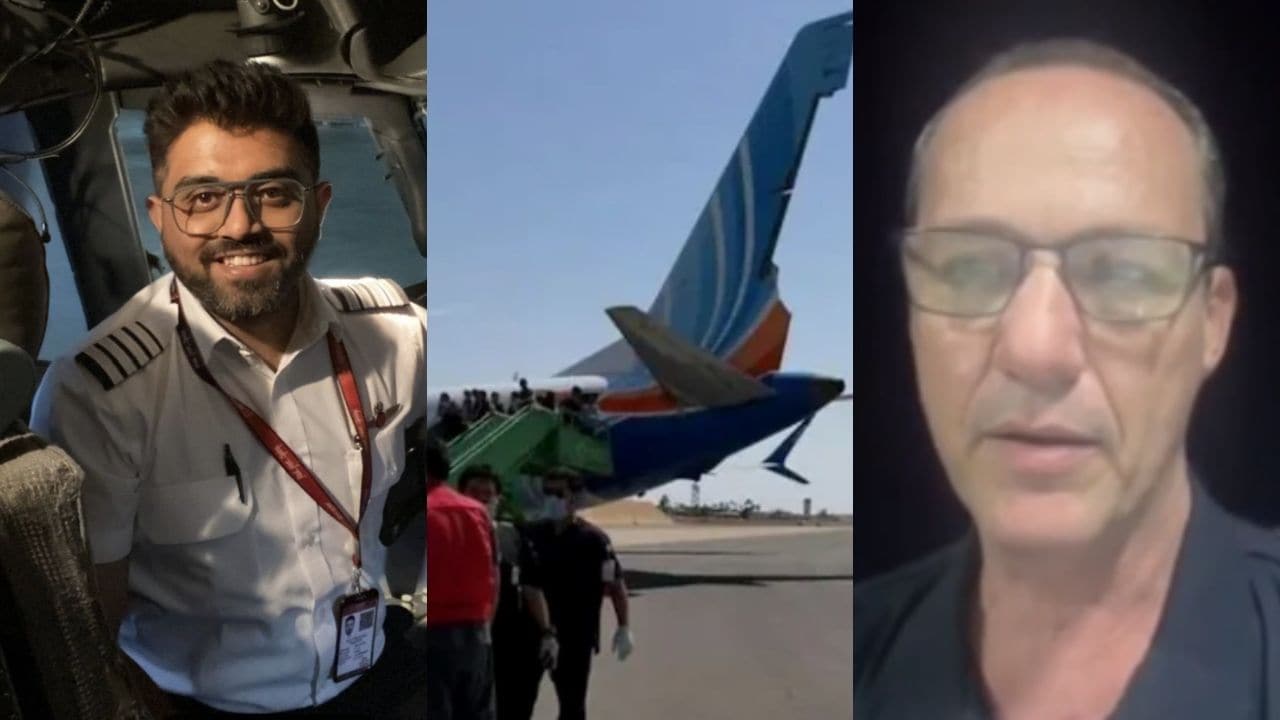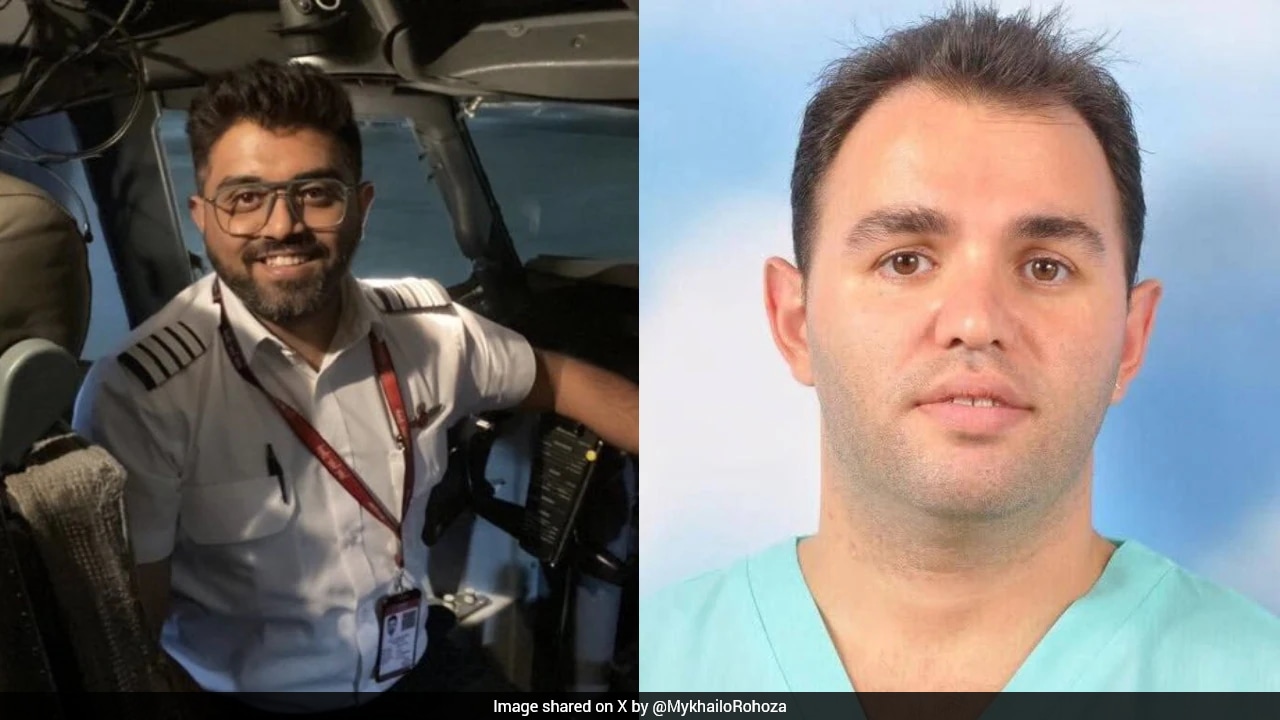
When flydubai Flight 1073 plunged thousands of feet over the Middle East, the horror unfolding inside the flight deck was worse than anyone in the cabin realized. Captain Smit Machchhar was fighting for his life against a sudden, violent assault by his co-pilot.
The attack left the Indian captain with deep, catastrophic lacerations to his head and hands. He was bleeding out on the cockpit floor while 174 passengers sat completely unaware of the chaos happening behind closed doors.
Amid the terror, an unexpected passenger stepped up to prevent a total catastrophe. Dr Shota Musaev, an Israeli dentist traveling back home with his wife, heard the commotion, rushed forward, and spent 45 agonizing minutes administering emergency medical care to keep the captain alive.
Inside the Cockpit Chaos
The flight from
How a Dentist Saved an Indian Pilot Mid Flight
health
Mid-air medical emergencies test human limits. When a crisis strikes thousands of feet above the ground, passengers and crew rely entirely on whatever expertise happens to be sitting in row 12 or business class. Sometimes, that luck turns out to be a practicing dentist holding the precise skills needed to prevent a total disaster.
A routine flydubai flight turned terrifying when an Indian pilot experienced a severe medical crisis onboard. Reports indicated wounds so severe that hands and head appeared critically injured, transforming an ordinary commercial journey into an urgent battlefield for survival. Cabin crew members scrambled for the medical kit, looking for anyone with clinical training who could step forward.
Enter Dr. Dheeraj, a dentist traveling as a regular passenger. People often forget that dental surgeons undergo rigorous medical training, including emergency airway management, hemorrhage control, and trauma response. When the call went out for medical help, he didn't hesitate. He rushed to the front, assessing a chaotic scene where standard first aid fell dangerously short.
Why Dental Training Matters in Trauma
Most folks assume dentists only fix cavities or pull wisdom teeth. That is a massive misconception. Dental school requires extensive study in general human anatomy, pharmacology, local and general anesthesia, and maxillofacial surgery. Dealing with heavy bleeding in the oral cavity means dentists deal with high-vascularity areas daily.
When the flydubai pilot faced catastrophic injuries threatening severe blood loss, Dr. Dheeraj applied these exact surgical instincts. Controlling arterial bleeding requires absolute calm and precise pressure points. He stabilized the wounds using improvised cabin supplies combined with sterile elements from the emergency medical kit. Every second counted. A lack of fast intervention could have meant irreversible shock or worse.
Medical kits on commercial flights are notoriously basic. They contain stethoscopes, blood pressure cuffs, basic bandages, and sometimes intravenous lines, but they rarely feature specialized surgical gear. Improvisation becomes the ultimate survival skill. The dentist had to rely on his bare hands, spatial awareness, and clinical intuition to manage tissue damage that looked closer to a battlefield trauma than a standard in-flight faintness.
The Realities of In-Flight Medical Crises
Airlines train flight attendants rigorously for medical emergencies, from heart attacks to panic attacks. Yet, doctors and dentists on board remain the wild card. Statistics show that in-flight medical emergencies occur on roughly one out of every 600 flights. Cardiac arrests, severe allergic reactions, and deep lacerations happen more often than airlines publicize.
Cabin crew members face a unique bottleneck. They have minutes to broadcast an appeal for a physician or healthcare professional. If nobody answers, the captain must consider diverting the aircraft to the nearest suitable airport, costing the airline thousands of dollars and disrupting hundreds of travel schedules. In this specific flydubai incident, the quick response from a qualified dental professional meant the flight could manage the immediate crisis without an emergency emergency diversion, or at least stabilize the patient until the aircraft touched down safely.
What You Can Learn From This Incident
Emergencies happen anywhere. You could be sitting in a coffee shop, driving down the highway, or cruising at 35,000 feet. You don't need a medical degree to make a difference, but understanding basic first aid changes outcomes.
- Know basic hemorrhage control: Direct pressure stops most bleeds. Learn how to pack a wound if direct pressure fails.
- Understand the limits of airline kits: Never expect a fully equipped operating room at 30,000 feet. Improvised bandages save lives.
- Stay calm under pressure: Panic spreads faster than an infection. Clear communication keeps chaos at bay.
Stories like this remind us how fragile routine travel really is. One minute you are sipping lukewarm coffee and watching a movie, and the next you are witnessing a fight for survival in the aisle. Next time you board a flight, take a quiet second to look around and wonder who else might be hiding the exact skills needed to save your life.