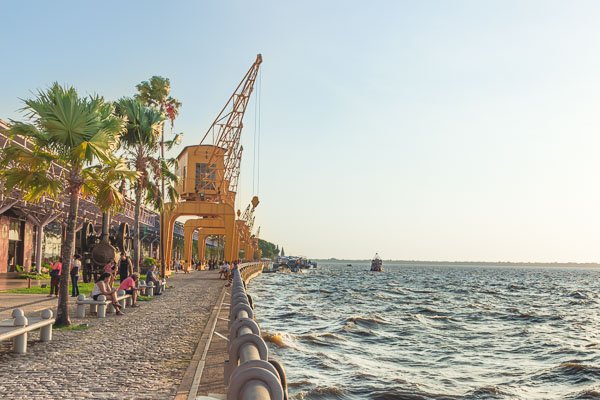
On a map of the Persian Gulf, Kharg Island looks like a tiny, insignificant speck. It is a shard of rock barely five miles long, sitting roughly twenty-five miles off the coast of Iran. But maps are deceptive. If you were to stand on its sun-baked shores, you would hear the low, deep hum of a machine that dictates the rhythm of the modern world. Kharg Island is the terminal through which over ninety percent of Iran’s crude oil exports flow. It is a vital artery of global energy.
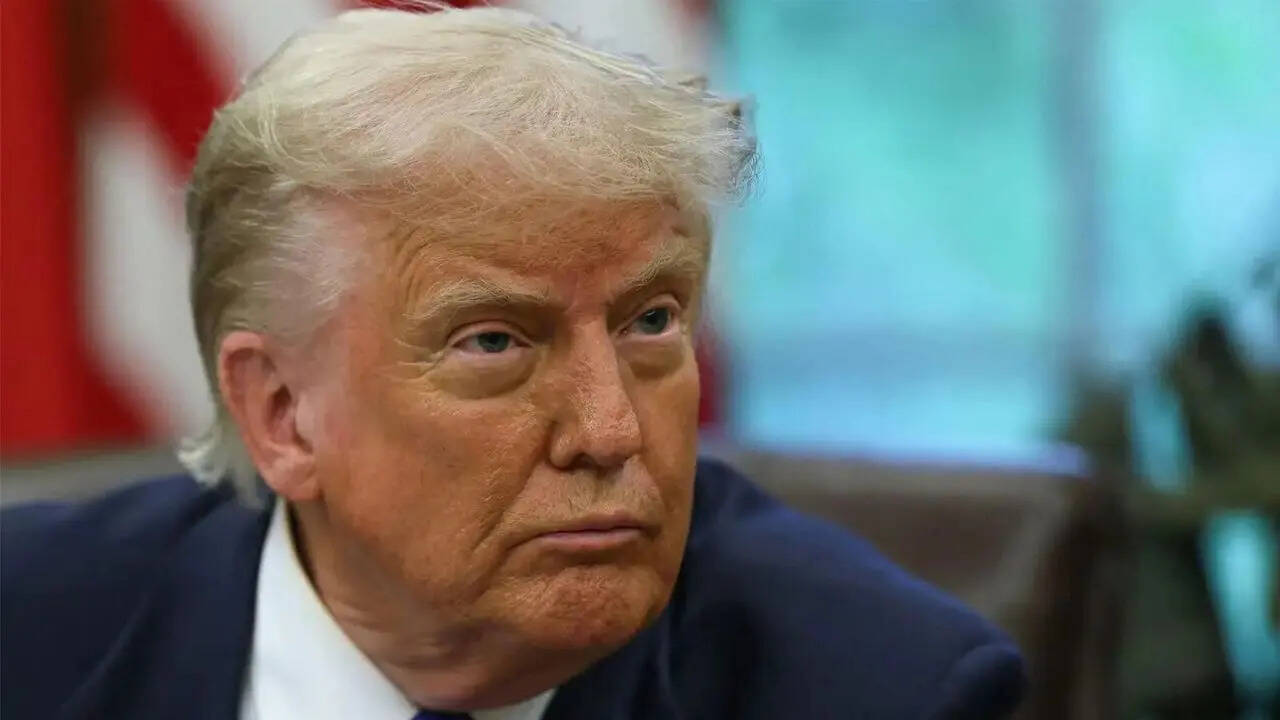
Now, picture a boardroom thousands of miles away in Washington. The air is cool, the lighting sharp. Politicians and strategists lean over a different kind of map, tracing lines of economic warfare. Donald Trump’s administration has made no secret of its ambitions. The goal is total dominance over global energy markets, and the strategy bears a striking, unsettling resemblance to a playbook used years ago against another oil giant: Venezuela.
To understand the sheer weight of what is happening, we have to look past the dry press releases and the sterile economic charts. We have to look at the invisible stakes that govern our lives.
The Invisible Pipeline to Your Pocket
Imagine a fictional shop owner in a bustling European city, let us call her Elena. She does not track geopolitical maneuvers in the Middle East. She does not read white papers on sanctions. But when a decision is made to choke off Iranian oil, the ripples travel across oceans, through complex supply chains, and land directly on her doorstep.
Suddenly, the cost of heating her shop spikes. The price of shipping her inventory climbs. This is the human element of energy warfare. Decisions made in high-stakes political theaters are never just about foreign policy. They are about the cost of living, the stability of jobs, and the quiet anxiety of ordinary people trying to make ends meet.
The strategy of choking a nation’s energy sector is not new. Years ago, the United States turned its focus toward Venezuela, a country sitting on the world's largest proven oil reserves. The machinery of state-directed sanctions ground Venezuela's state-owned oil company, PDVSA, into near-total isolation. The goal was simple: force a regime change by turning the economic screws until the system collapsed.
Now, the lens has shifted back to Iran. By targeting Kharg Island, the current administration aims to replicate that total market squeeze. It is a high-stakes gamble designed to dictate who buys, who sells, and at what price.
A Collision of History and Geography
The ground beneath Kharg Island is steeped in conflict. During the Iran-Iraq War in the 1980s, the island was bombarded hundreds of times. It was a primary target because both sides understood an absolute truth: if you control the oil, you control the survival of the state. Iran's engineers became masters of rapid repair, patching up shattered pipelines under the cover of darkness while the world watched anxiously.
Today, the threat is not bombs, but a financial suffocating maneuver. The mechanics of modern sanctions do not require a single naval vessel to block the harbor. Instead, they use the global banking system as a weapon. If a foreign company buys a single barrel of oil from Kharg Island, they risk being cut off from the American financial system entirely. For most global banks and shipping conglomerates, that is a death sentence.
But the real problem lies elsewhere, buried in the unintended consequences of absolute pressure.
When you push a nation into a corner, you do not always get compliance. Sometimes, you get a shadow market. Over the past several years, an intricate, invisible network of "ghost fleets"—unmarked tankers turning off their transponders and mixing oil at sea—has emerged to keep Iranian crude flowing, primarily to hungry markets in Asia. It is a dangerous, unregulated game of cat and mouse played out across the world's oceans.
The Fiction of Total Control
There is a comforting illusion that global markets can be managed like a thermostat. Turn a dial here, and the price drops. Flip a switch there, and a rival is neutralized.
The reality is chaotic. The global energy market is a living, breathing entity. When the United States pressures buyers to abandon Iranian oil, it creates a vacuum. Other superpowers, less concerned with Western sanctions, step into the void. Alliances shift. A policy designed to project American dominance can inadvertently accelerate the rise of rival economic blocs.
Consider what happens next if the squeeze on Kharg Island reaches its absolute peak. Iran's economy, already strained by years of isolation, faces hyperinflation and internal unrest. The human toll inside the country deepens as basic goods and medicines become scarce. Meanwhile, the global price of crude fluctuates wildly based on the latest rumor of a drone strike or a new round of sanctions.
We live in an interconnected web where a policy decision in Washington can change the price of a gallon of gas in Ohio, a diesel shipment in Rotterdam, or a manufacturing quota in Shanghai.
The Weight of Uncertainty
It is easy to get lost in the rhetoric of "total control." Politicians speak with absolute certainty, promising that economic pressure will yield peaceful outcomes and market stability. But history suggests otherwise. The script being written for Iran is an echo of past campaigns, filled with the same risks of miscalculation and escalation.
The true cost of this struggle is not measured in the billions of dollars flowing through shadow bank accounts or the volume of crude loading onto tankers at Kharg Island. It is measured in the profound uncertainty that hangs over the global economy.
As the sun sets over the Persian Gulf, the tankers continue to glide through the dark waters, carrying a substance that has built empires and destroyed nations. The hum of Kharg Island goes on, a steady, mechanical heartbeat in a world holding its breath, waiting to see which wire is pulled next.