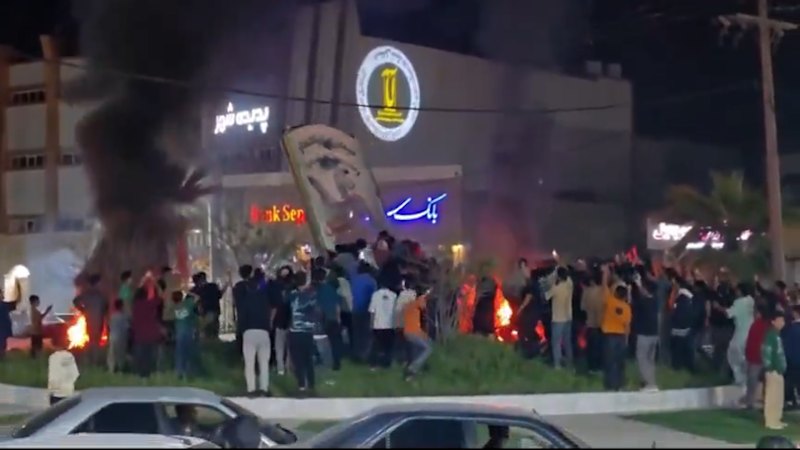
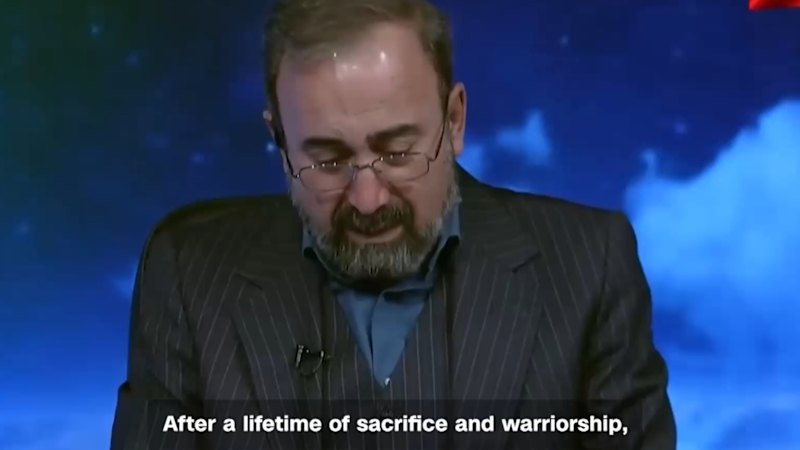
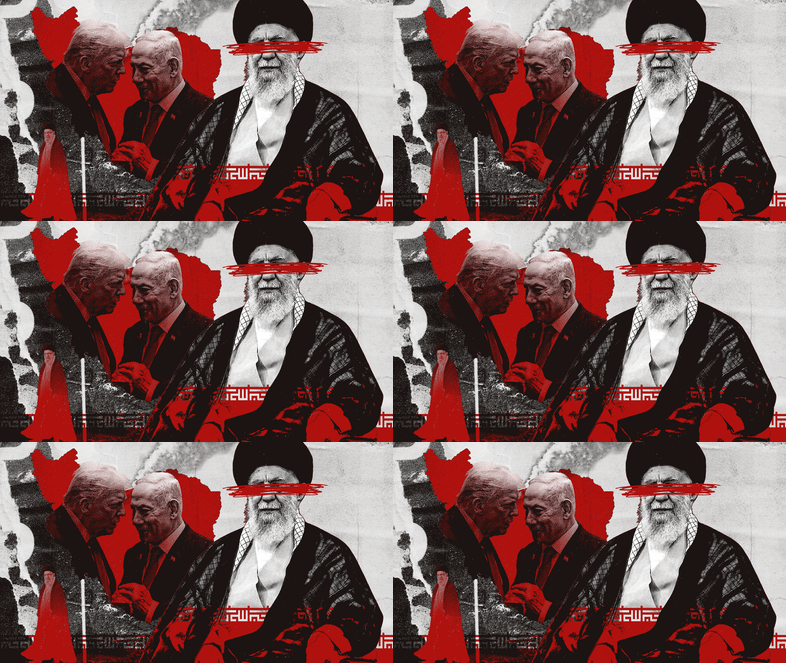
The Middle East just shifted on its axis, and it didn't happen with a whimper. On February 28, 2026, the world woke up to the news that the United States and Israel launched a massive, coordinated military campaign against Iran. This isn't just another exchange of "calibrated" strikes or a limited warning shot. It's a full-scale effort to dismantle the Islamic Republic's leadership and its most dangerous assets.
If you're wondering how we got here, it's simpler than the pundits make it sound. Diplomacy failed—completely. Despite months of indirect talks in Oman, the gap between Tehran’s nuclear ambitions and Western security demands became a chasm. When "indicators" surfaced that Iran was prepping its own preemptive strike on U.S. interests, the Trump administration and the Netanyahu government decided they weren’t going to wait to be hit first.
The Decapitation Strike that Changed Everything
The most shocking part of this operation—codenamed Operation Epic Fury by the U.S. and Operation Genesis by Israel—was its directness. They didn't just go after factories or warehouses. They went for the head of the snake.
- Ayatollah Ali Khamenei is dead. Reports from both Israeli officials and later confirmed by Iranian state media indicate the Supreme Leader was killed when his compound in Tehran’s Pasteur district was leveled.
- The IRGC is in shambles. Commander-in-Chief Mohammad Pakpour and Defense Minister Aziz Nasirzadeh were also confirmed killed in the opening waves.
- A Leadership Vacuum. With the Supreme Leader gone, a three-person council including President Masoud Pezeshkian is reportedly trying to hold the country together, but the air is thick with the scent of regime collapse.
Israel’s Air Force (IAF) carried out what they’re calling the largest combat sortie in their history. We’re talking over 200 fighter jets striking 500 targets in a single day. They hit air defenses, missile launchers, and command centers. Honestly, the scale is hard to wrap your head around. It wasn't just a surgical strike; it was a sledgehammer.
Why This Isn't Like 2025
You might remember the brief flare-up in June 2025. That was a 12-day skirmish that ended in a ceasefire. This time, the vibe is different. The U.S. has deployed B-2 stealth bombers to dig out fortified ballistic missile sites. For the first time, we saw the combat debut of Task Force Scorpion Strike—low-cost, one-way attack drones that look a lot like Iran’s own Shaheds.
"We acted to stop an existential threat before it became irreversible. Diplomacy was exhausted." — Danny Danon, Israel’s UN Ambassador.
That’s a fancy way of saying they’re done talking. The goal now is to "raze" the Iranian missile program and "annihilate" its naval forces. If you’re a leader in the Gulf, you’re basically terrified. Kuwait, Bahrain, Qatar, and the UAE have already seen sirens blaring and explosions rocking their cities. Iran didn't just hit back at Israel; it went after every U.S. base in the region.
The Unintended Consequences
Even if you're cheering for the end of a hostile regime, you can't ignore the fallout. It's kinda chaotic right now.
- Civilian Cost. There are reports of 200 people killed in Iran so far, including a tragic strike on a girls' school in Minab that supposedly killed 148 children. Whether that was a misfire or a deliberate hit is still being debated, but the images coming out of Tehran are harrowing.
- Regional Chaos. Dubai, Doha, and Manama are all under fire. Iran's Revolutionary Guard Corps (IRGC) isn't going down without taking as much of the neighborhood with it as possible.
- A New Civil War? Trump is telling Iranians to "take over your government." It's a gamble. A popular uprising might happen, but so could a bloody, years-long civil war.
What's Next on the Ground
The U.S. and Israel aren't done. They’ve signaled this isn’t a one-off. It’s a campaign with no set end date. Expect more "heavy and pinpoint bombing" through the week.
If you’re watching the news, keep an eye on these developments.
- Watch the IAEA meeting on Monday. Russia called for an emergency session, and things are going to get heated in Vienna.
- Monitor the Strait of Hormuz. If Iran tries to block oil traffic, global markets are going to lose their minds.
- Check for Iranian retaliation in Israel. Tel Aviv is already reporting overnight strikes, and their hospitals have moved underground.
The Middle East is no longer the same place it was last week. The old rules of "limited engagement" are out the window. If you're invested in global security—or even just your local gas prices—you should be paying very close attention to what happens in Tehran over the next 48 hours.