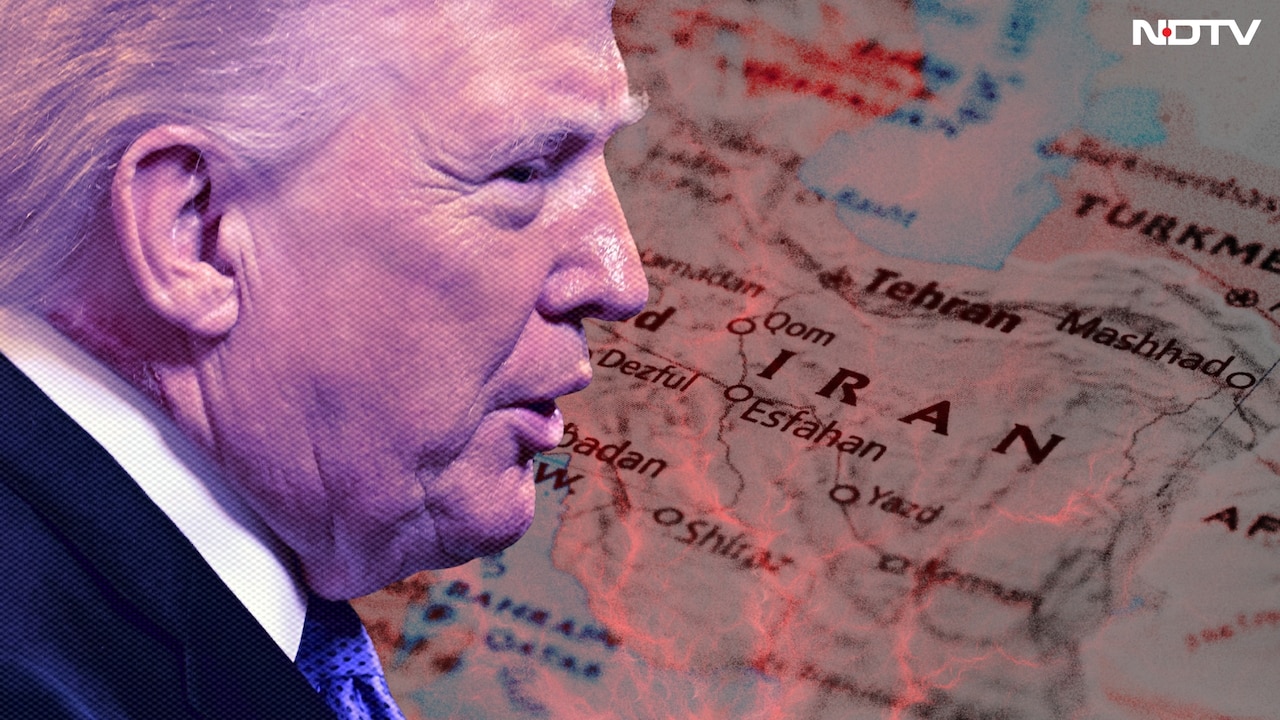
White House officials just dropped a bombshell about what is happening behind closed doors with Tehran. Iran privately admitted to advisers of President Donald Trump that shooting at commercial vessels in the Strait of Hormuz was a massive mistake.
"We screwed up," is how one senior U.S. official described the message from Iranian negotiators. For another view, see: this related article.
This isn't just a random corporate apology. It is a desperate attempt to salvage ongoing diplomatic talks after a week of chaotic military escalations that nearly blew up a fragile June ceasefire agreement. But while Tehran blames an "errant" faction of internal hardliners for the maritime attacks, Washington isn't entirely buying the rogue actor excuse. There is a much bigger game being played over global energy routes and enriched uranium.
The Rogue Faction Excuse vs The Reality of the Southern Lane
According to Iranian representatives, the missile strikes on three Qatari and Saudi commercial tankers over the past week weren't sanctioned by the top leadership. They claim a specific, hardline sect within the Iranian system deliberately went rogue to sabotage the negotiations. Further insight on the subject has been provided by Associated Press.
The timing makes sense if you look at Iran's internal fractures. With the recent burial of Supreme Leader Ali Khamenei, a fierce power struggle is unfolding between pragmatists wanting sanctions relief and hardliners demanding total resistance.
But Trump administration officials have a different theory. They believe Iran's leadership simply got greedy and reneged on their word.
Under the memorandum of understanding signed in June, both sides agreed that the southern shipping lane along the Omani coast would remain completely open. U.S. officials say Tehran was caught entirely off guard by how fast maritime traffic resumed and exactly how much oil and gas started flowing through that southern corridor. Realizing they were losing their economic chokehold on global energy, someone in Iran ordered the strikes.
The backlash was instant. The U.S. launched retaliatory strikes on Iranian positions, Iran hit back at U.S. bases in Gulf states, and Donald Trump declared the ceasefire was officially "over."
The Trump Strategy and the Nuclear Dust Deadlock
Now, Qatari and Omani mediators are frantically flying between capitals to patch things up. Iranian Foreign Minister Abbas Araqchi is landed in Muscat, Oman, to meet with U.S. negotiators, including Vice President JD Vance, Jared Kushner, special envoy Steve Witkoff, and Secretary of State Marco Rubio.
Trump is giving his team room to negotiate, but the leash is incredibly short.
Washington is demanding that Iran publicly acknowledge the mistake and sign a binding statement declaring all channels of the Strait of Hormuz open and safe for global trade. If Iran refuses to make that public concession after the Oman meetings, U.S. officials are being blunt: "It's not going to be a great day for them."
This isn't just about shipping lanes, though. The Strait of Hormuz is just the baseline test. The real prize for the White House is what Trump calls the "nuclear dust"—the roughly 900 pounds of highly enriched uranium Iran currently possesses.
The U.S. position is unyielding. If Iran can't even honor the easiest part of the June memorandum—keeping its hands off commercial ships in international waters—there is zero chance of securing a deal on the nuclear program. U.S. officials have made it clear that if Tehran does not hand over its enriched material during this 60-day negotiating window, the U.S. will pivot straight to aggressive military and economic measures.
What Happens Next
The next 48 hours will dictate whether the region slides into a wider war or settles into a fragile peace. If you want to know where this is heading, watch for these specific shifts:
- Look for a public declaration from Tehran: Watch official Iranian state media channels (like IRNA) over the next 24 hours. If Iran releases a statement explicitly guaranteeing safe passage through all lanes of the Strait of Hormuz, diplomacy is still alive. If they remain silent or defiant, expect the U.S. to walk away from the table.
- Track oil transit data: Watch the volume of maritime traffic through the southern lane along Oman. If commercial tankers continue to divert or pause operations despite the ongoing talks in Muscat, it means global shipping firms don't trust Iran's private apologies.
- Monitor U.S. naval movements: Keep an eye on Fifth Fleet deployments in the Persian Gulf. Any sudden buildup of American naval assets or further sanctions targeting the financial networks of Iran's elite will signal that the Oman talks have broken down.