Geopolitics rarely moves in a straight line. Tehran just blinked.
When Baghdad leaned hard on its neighbor, the Strait of Hormuz suddenly became a bit less hostile for Iraqi shipping. Iran backed down from its aggressive posturing, granting Iraqi oil tankers clear passage through one of the world's most contested maritime chokepoints. You rarely see Tehran reverse course so quickly when regional leverage is on the line. But economic survival tends to trump stubborn pride.
Let's look at why this shift happened and what it means for energy markets moving forward.
The Pressure Point Inside the Strait
The Strait of Hormuz is not just a body of water. It is the jugular vein of global energy flow. Nearly a fifth of the world's petroleum passes through this narrow maritime corridor. Control the strait, and you hold a loaded gun to the global economy.
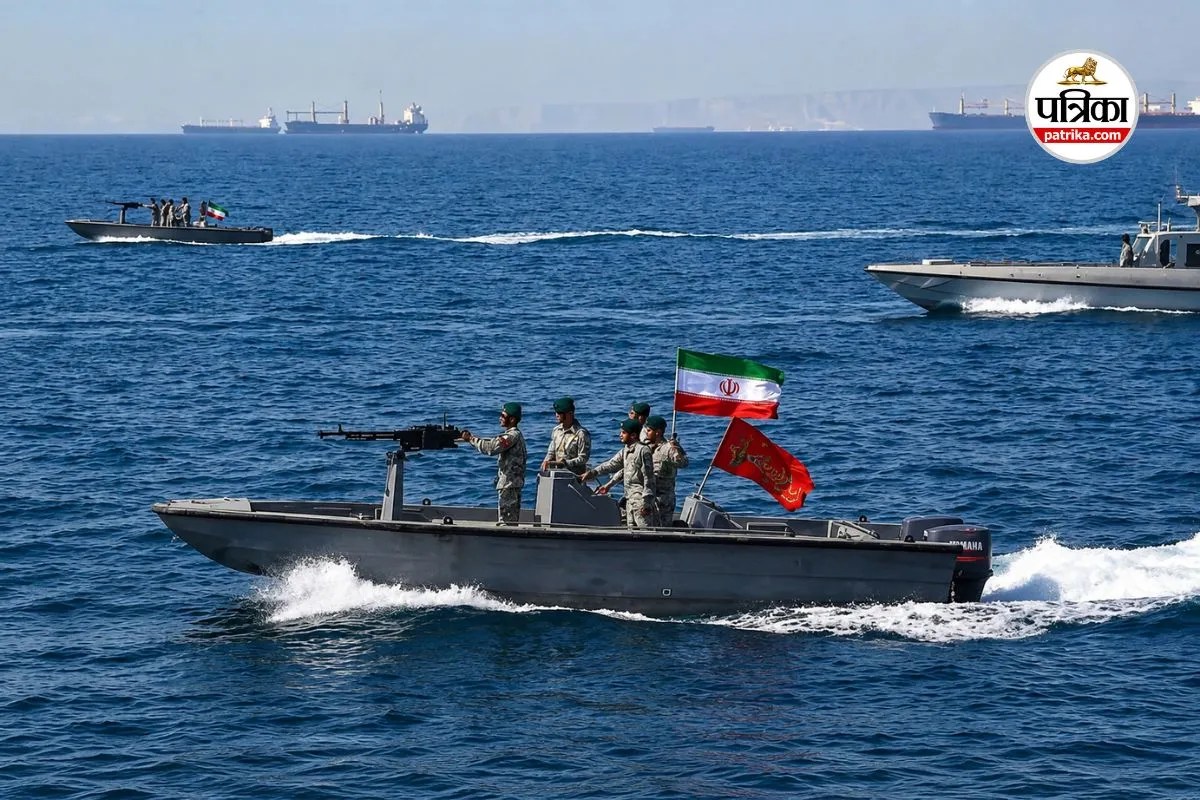
For years, Tehran treated these waters as its private backyard. Commercial vessels faced constant harassment, inspections, and outright seizures whenever diplomatic tensions flared. Iraq, heavily dependent on oil exports moving through these exact shipping lanes, bore the brunt of this instability. Every barrel delayed or threatened cuts straight into Baghdad's national budget.
So, Iraqi leadership changed tactics. Instead of absorbing the blows quietly, Baghdad applied coordinated diplomatic and economic pressure. They reminded Tehran of mutual dependencies, shared borders, and the reality that strangling Iraq's economy ultimately hurts regional stability in ways Iran cannot afford.
Tehran ran the numbers. They realized the cost of shutting out Iraqi tankers outweighed the benefits of playing hardball.
Behind the Closed Doors of Diplomacy
Public statements rarely tell the whole story. Behind this sudden policy shift lies intense backchannel negotiations between Iraqi officials and Iranian security commanders.
Iraq holds cards that many western analysts overlook. Trade volume between the two nations runs deep. Baghdad buys massive amounts of energy and consumer goods from its eastern neighbor. If Iraq seals its borders or pivots hard toward alternative economic partners, Tehran feels the pinch immediately.
Iraqi Prime Minister Mohammed Shia' al-Sudani pushed for strategic patience paired with firm boundaries. Diplomats didn't ask for a favor. They demanded a right of way grounded in international maritime law.
When you look at the sequence of events, a clear pattern emerges.
- Baghdad raised the stakes by threatening formal complaints.
- Regional intermediaries stepped in to broker a cooling-off period.
- Tehran quietly issued instructions to its naval units to stand down from intercepting flagged Iraqi vessels.
It was pragmatic, quiet, and effective.
What This Means for Global Energy Markets
Energy traders hate uncertainty. Every time a tanker gets stopped in the Gulf, insurance premiums spike globally.
This new arrangement brings a sliver of predictability back to the Persian Gulf. Iraqi crude can flow without the constant anxiety of Iranian boarding parties halting production schedules. Refineries across Asia and Europe can pencil in realistic delivery timelines without factoring in a sudden geopolitical hostage crisis.
Of course, nobody should mistake this for permanent peace. The underlying friction in the Middle East remains explosive. Sanctions still squeeze Tehran, regional proxy conflicts still rage, and naval maneuvers remain tense.
Yet, this specific capitulation proves that targeted, localized pressure works better than broad threats. Baghdad showed that standing your ground against a regional heavy is possible if you know where to apply the leverage.
Keep an eye on upcoming export volume figures out of Basra. The numbers will tell you if this truce holds or if the Strait of Hormuz reverts to its old, volatile self.