Explosions in Tehran have a way of making people look at their phones. Usually, it's to check the news, but this time, half the internet is digging through a digital graveyard of posts from 2011 to 2013. On February 28, 2026, the United States and Israel launched Operation Epic Fury, a massive, coordinated strike on Iranian soil. As missiles hit targets from the Pasteur district to Isfahan, a decade-old prediction from Donald Trump started trending for all the wrong reasons.
"Remember that I predicted a long time ago that President Obama will attack Iran because of his inability to negotiate properly—not skilled!" Discover more on a related issue: this related article.
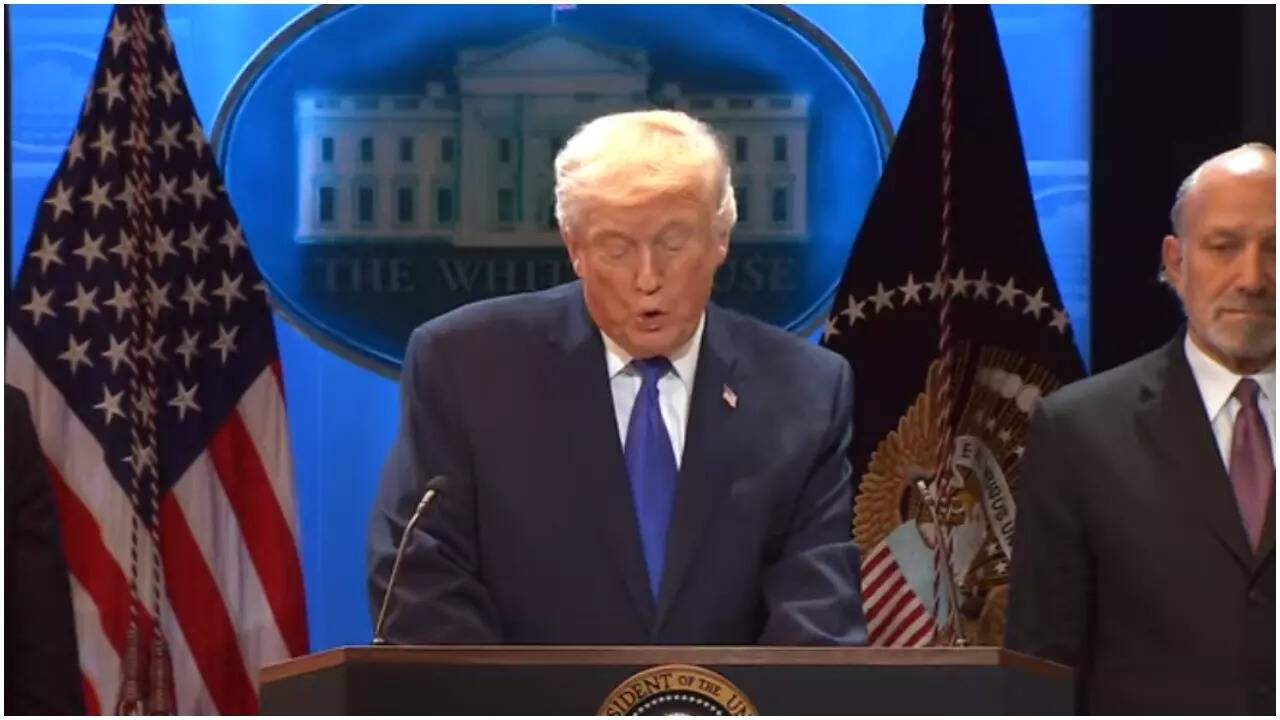
That was Trump in 2013. He didn't just say it once; he pounded the table on it for years. He accused Obama of being "desperate," claiming a strike on Iran was a cheap trick to boost poll numbers or win an election. Now that Trump is the one in the White House while the bombs drop, those words feel less like a prophecy and more like a mirror.
The Irony of Operation Epic Fury
The sheer scale of the current strikes is hard to wrap your head around. We aren't talking about a surgical drone strike on a single general. This is a full-blown military campaign. The Israeli Air Force reportedly flew its largest sortie in history, hitting 500 targets. Meanwhile, the U.S. deployed B-2 stealth bombers to level hardened missile sites. Further journalism by The Guardian highlights related perspectives on the subject.
The justification from the Trump administration is clear: Tehran crossed a red line regarding nuclear enrichment and the safety of American personnel. But the "Iran Card" that Trump once warned about—the idea of a president using a war to distract from domestic chaos—is now being played back at him.
Critics aren't being subtle. They're pointing to the recent release of sensitive files and internal political pressure as the "real" reason for the timing. Whether that’s true or not doesn't change the optic. When you spend years calling someone else a warmonger for even thinking about a strike, doing it yourself—on a much larger scale—creates a massive credibility gap.
Why the Past Matters in 2026
You might think a tweet from 2012 shouldn't matter when there are actual missiles in the air. In a vacuum, you'd be right. But foreign policy doesn't happen in a vacuum. It's built on trust and consistency.
Trump’s historical stance was rooted in a specific brand of isolationism. He won over a huge chunk of the GOP by trashing "forever wars" and calling regime change a "big, fat mistake." By ordering Operation Epic Fury, he hasn't just attacked Iran; he’s attacked his own political identity.
- The Negotiation Argument: Trump slammed Obama for being an unskilled negotiator. Yet, these strikes happened just 48 hours after indirect talks in Geneva supposedly reached a "breakthrough." If the goal was a better deal, blowing up the negotiation table is a strange way to get there.
- The "Election" Card: Back in the day, Trump warned Republicans not to let Obama "play the Iran card" to get re-elected. With mid-terms and political cycles always looming, the opposition is now using his own logic to claim this conflict is a tactical distraction.
- The Regime Change Flip: The administration is now openly calling for the Iranian people to rise up. That’s a 180-degree turn from the 2016 Trump who said we should stop racing to topple regimes we know nothing about.
The Reality on the Ground
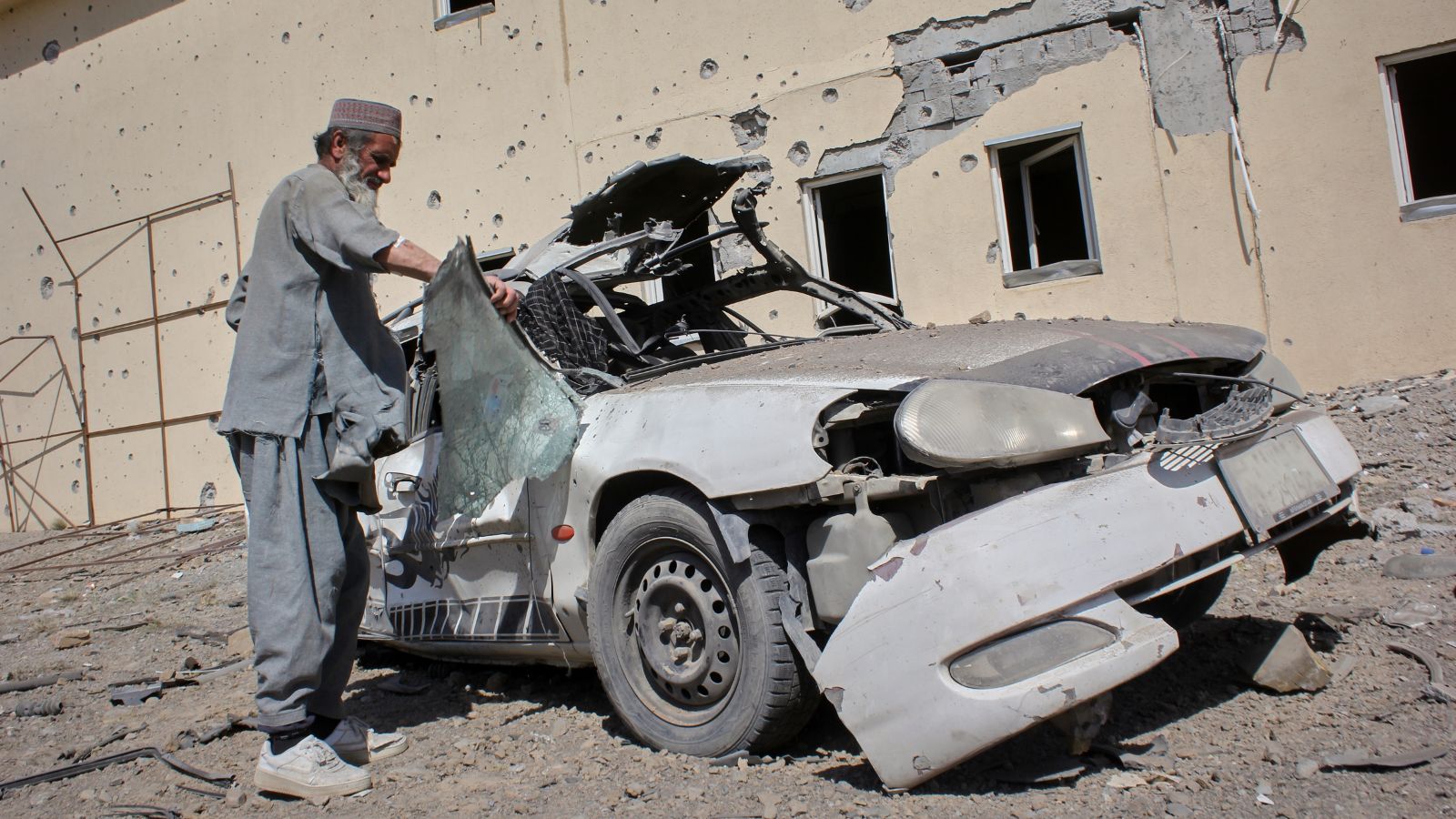
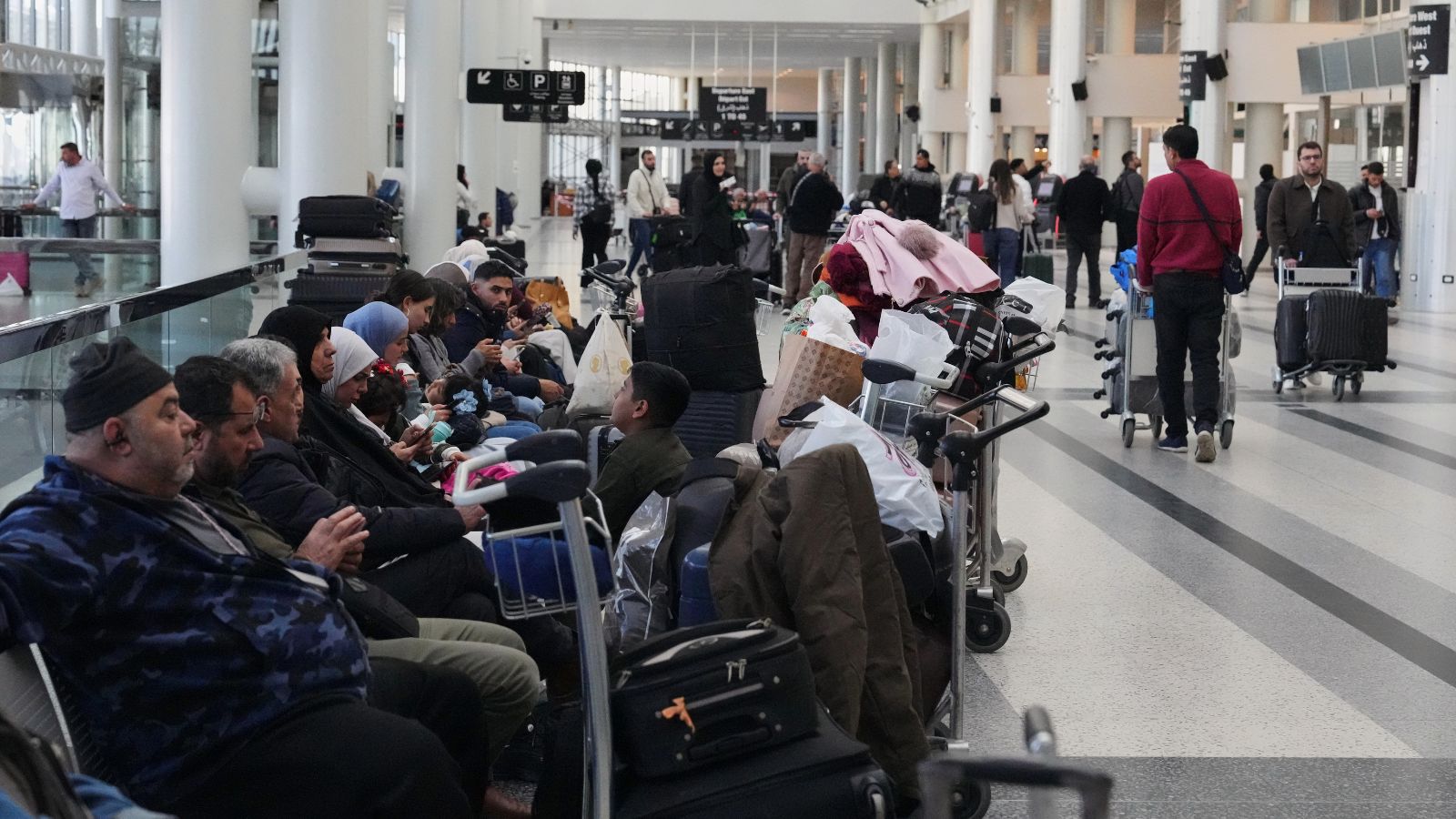
While the internet argues about hypocrisy, the Middle East is on fire. Iran didn't just sit there and take it. They've already launched retaliatory strikes against U.S. bases in Bahrain and Qatar.
This isn't a "pinpoint operation." It's a regional war. The U.S. military has confirmed casualties. The Iranian Supreme Leader has reportedly been moved to a secure location, and the casualties in cities like Qom and Karaj are mounting.
The biggest misconception people have right now is that this is a repeat of 2020 or 2024. It isn't. Those were skirmishes. This is a deliberate attempt to "eradicate" capabilities, as Trump put it during his Florida press conference with Netanyahu. The stakes are higher because there's no clear exit strategy. When you aim for "decapitation" of a regime, you better be ready for the vacuum that follows.
What This Means for You
If you're watching this from home, the "so what" is pretty simple. Foreign policy is no longer just about what's happening in the situation room; it's about the digital footprint left behind.
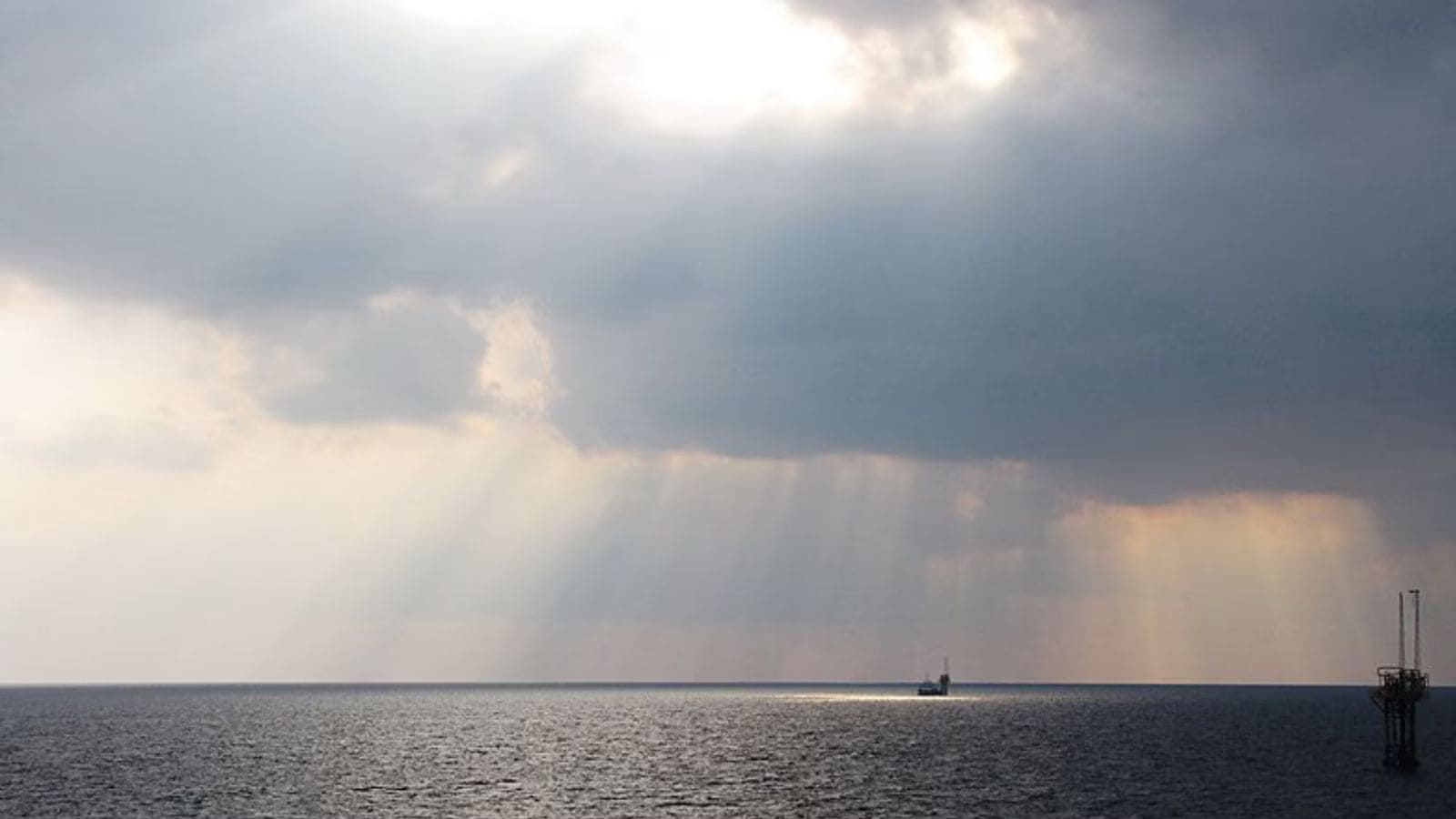
- Market Volatility: Expect oil prices to go through the roof. War in the Gulf always hits the pump first.
- Information Warfare: You’re going to see a lot of "old" news mixed with new footage. Verify everything. The 2013 tweets are real, but a lot of the "live" footage on social media right now is actually from the 2025 conflict or even earlier.
- The Narrative Shift: Watch how the administration handles the "isolationist" wing of the party. There’s a brewing civil war within the GOP between the "America First" crowd who wants out of the Middle East and the hawks who are cheering for Tehran's fall.
The "Iran Card" isn't just a political talking point anymore. It's a reality that's going to define the next decade of global security. If you want to stay ahead of the curve, stop looking at the bombs and start looking at the logistics of what happens if the Iranian government actually collapses. That’s the real story nobody is prepared for.
Check the latest updates from CENTCOM for official casualty reports and monitor the price of Brent Crude if you have skin in the game.