The sea at dawn does not look like a battlefield. It looks like glass, painted in shades of bruised purple and molten gold, stretching quietly toward a horizon that hides the edge of the world. Out here, a tanker sits low in the water, carrying two million barrels of crude—enough liquid power to heat a city or fuel the supply chains of an entire continent. To the casual eye on the bridge, the morning watch is uneventful. The coffee is hot. The radar is clear.
Yet, miles away in the shadows of the southern Arabian coastline, men crouch over crude metal cylinders and guidance systems. They are waiting for coordinates. They are waiting for a trigger.
When a drone hums into the upper atmosphere, it carries no flag, but it carries a message. It is a message written in fire and shrapnel, aimed not just at a ship, but at the fragile, invisible nervous system that keeps global commerce breathing.
We rarely think about the Red Sea unless something breaks. To most of us, gasoline is simply a number on a digital sign at the corner of a suburban intersection. Electricity is a switch that clicks. Heat is a radiator that hums on a freezing Tuesday night. We live our lives insulated by thousands of miles of infrastructure, blissfully unaware that our entire modern existence hangs by a rust-resistant cable strung across the floor of an ocean and a handful of narrow maritime choke points.
Consider what happens when that insulation frays.
In Riyadh, high above the manicured lawns and marble courtyards, the air in the command room is cool and heavy with concentration. Maps glow on massive screens, tracing red lines of intercepted trajectories and yellow markers of burning hulls. Saudi leadership does not have the luxury of abstraction. When a missile arcs toward a refinery or a crude carrier, the threat is not political theory. It is immediate. It is economic gravity.
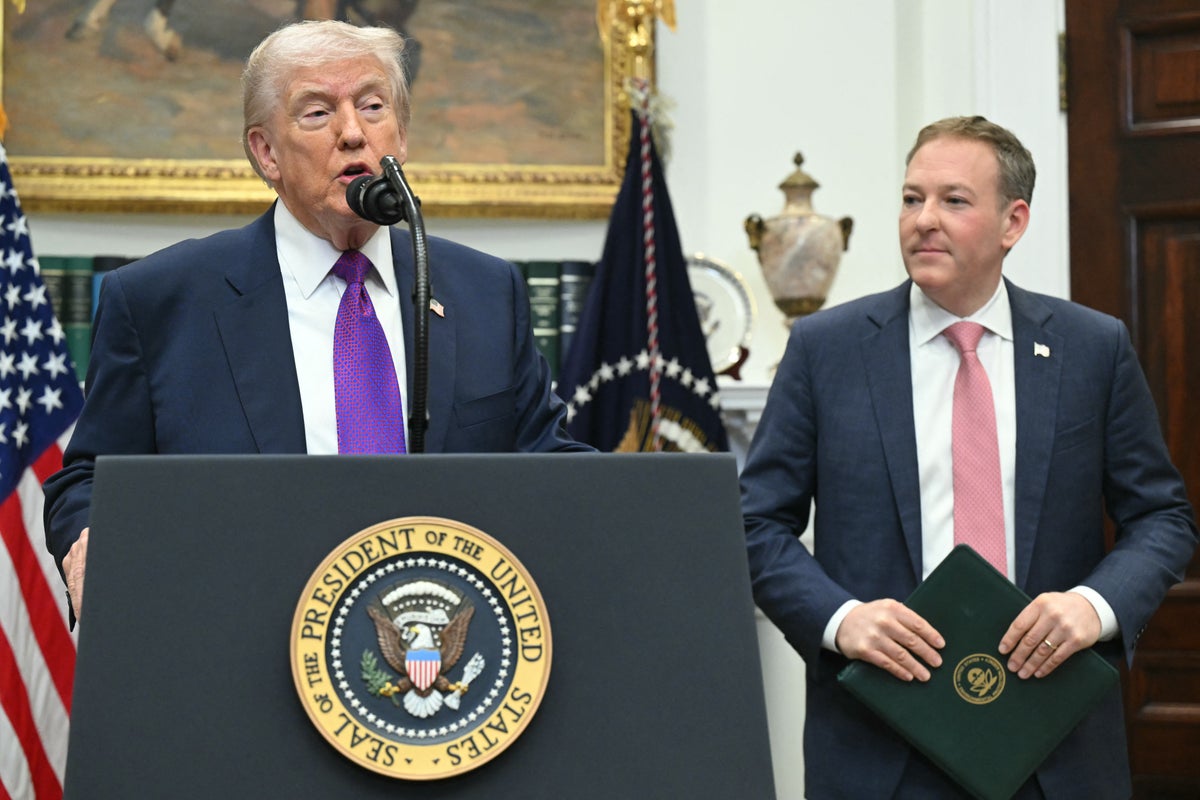
Recently, behind closed doors that admitted very few outsiders, the highest levels of Saudi military and political leadership sat down with the top U.S. Central Command commander. The handshake was formal, captured by a single official photograph released to soothe the markets. But the conversation was raw. It had to be. Because the calculus of regional security has fundamentally shifted, and the margin for error has shrunk to zero.
Let us be honest about what is happening beneath the diplomatic rhetoric. The Houthi campaign isn't merely a localized regional grievance spilling over its banks. It is a calculated stress test of global vulnerability. By targeting commercial shipping lanes in the Bab al-Mandab strait—where the Red Sea narrows into a watery corridor barely twenty miles wide—these factions hold a loaded weapon to the throat of the world economy.
Every time a cargo vessel is forced to reroute around the stormy, perilous cape of southern Africa instead of cutting through the Suez Canal, days stretch into weeks. Insurance premiums skyrocket. Fuel consumption surges. And those costs do not stay on the water. They bleed directly into the price of bread in Cairo, microchips in Seoul, and winter heating oil in Frankfurt.
This is the hidden cost of modern geography. We traded self-sufficiency for efficiency decades ago, weaving a global web so interconnected that a drone strike off the coast of Yemen can trigger inflation in a grocery store in Ohio.
In the Saudi command center, the maps tell a story of containment and friction. For years, the Kingdom has sought a way out of the protracted quagmire in Yemen—a diplomatic off-ramp, a sustainable peace, a chance to focus on ambitious domestic transformations like Vision 2030, which envisions gleaming tech hubs and tourist resorts rising from the desert sand. You cannot build a futuristic metropolis of the mind if your eastern borders hum with drone incursions and your southern shipping lanes burn.
Peace requires a partner. But deterrence requires steel.
When the American commander met with his Saudi counterparts, the subtext of the room was unmistakable: the architecture of regional security is being rewritten in real-time. It is no longer just about traditional state-on-state defense. It is about asymmetrical defense, protecting critical energy infrastructure from low-cost, high-impact aerial threats. It is about sharing intelligence down to the second, coordinating air defense batteries, and securing the maritime arteries that sustain not just the Gulf economies, but the fragile recovery of the entire globe.
We forget how fragile stability actually is until it is gone.
Think back to the oil shocks of the 1970s—those grainy historical photographs of deserted highways on Sundays and frantic motorists waiting hours in lines that wrapped around city blocks. We remember the panic, but we often forget the cause: a disruption in the flow. Today, the world is infinitely more complex, infinitely more sensitive to friction, and infinitely less forgiving of supply chain failures.
When oil markets twitch because a missile detonates near an offshore loading platform, the reaction is instantaneous across trading floors in New York, London, and Tokyo. Algorithms read the smoke before human analysts can even draft a memo. Futures jump. Panic spreads. The invisible tax of insecurity is levied on every human being who relies on energy to move, to work, to survive.
This is why the handshake in Riyadh matters. It is not just about two militaries comparing notes or reaffirming an alliance that has weathered eight decades of political turbulence. It is a desperate, pragmatic alignment against chaos. It is the recognition that neither Washington nor Riyadh can afford a vacuum in these waters.
Yet, military hardware and joint command briefings can only treat the symptoms. They are the tourniquet on a wound that refuses to close.
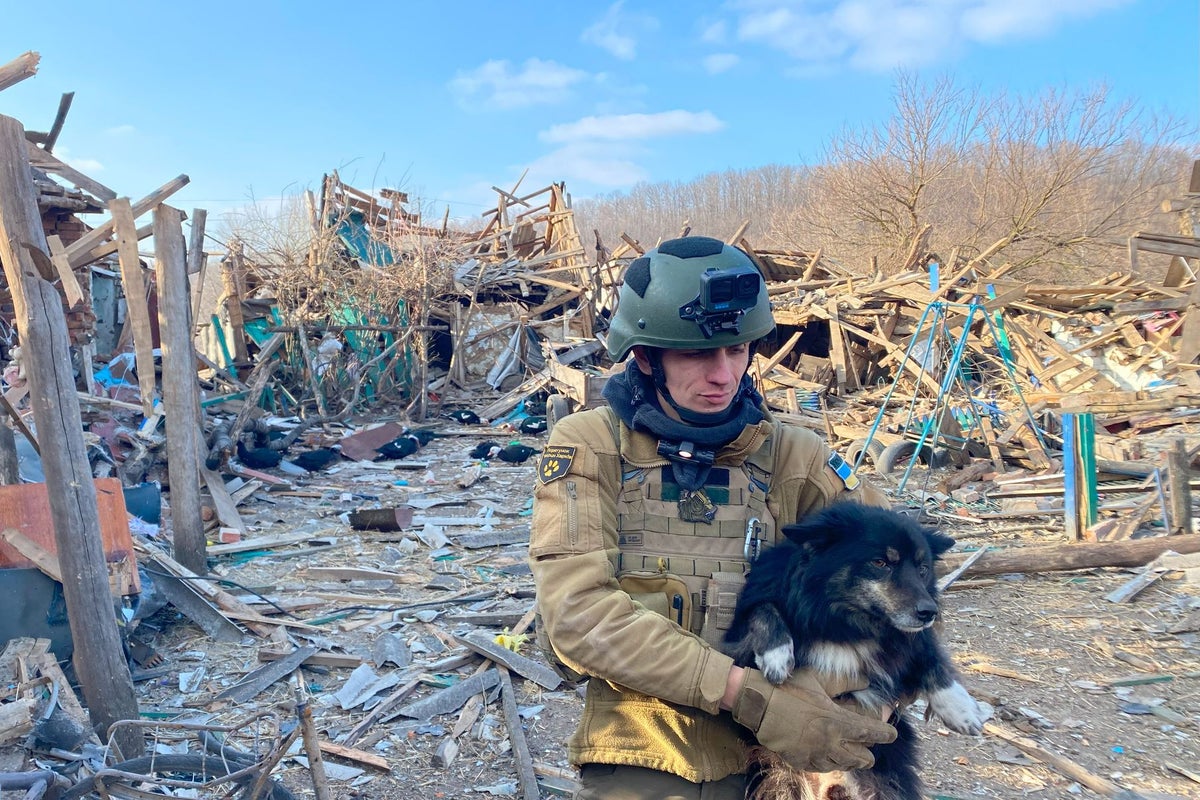
The deeper tragedy of the Red Sea crisis lies in the human lives caught in the crossfire—the Filipino sailors sitting in engine rooms thousands of miles from home, wondering if the next radar blip means their watch will be their last; the coastal communities in Yemen trapped in an endless cycle of poverty and proxy conflict; the citizens across the globe watching their cost of living rise for reasons they cannot control or even fully understand.
There is a quiet exhaustion that settles over the region. People are tired of living in the shadow of war. They want to look at the sea at dawn and see only the horizon. They want the tankers to carry fuel without carrying fear.
As the sun climbs higher over the Arabian Peninsula, burning off the purple haze into a fierce, unforgiving blue, the radar screens in Riyadh continue to sweep. The green lines pulse in a silent, endless rhythm. Down on the water, the tanker crests a swell, cutting a steady white wake through the deep blue, pushing forward into an uncertain tomorrow, carrying the weight of the world in its steel belly.