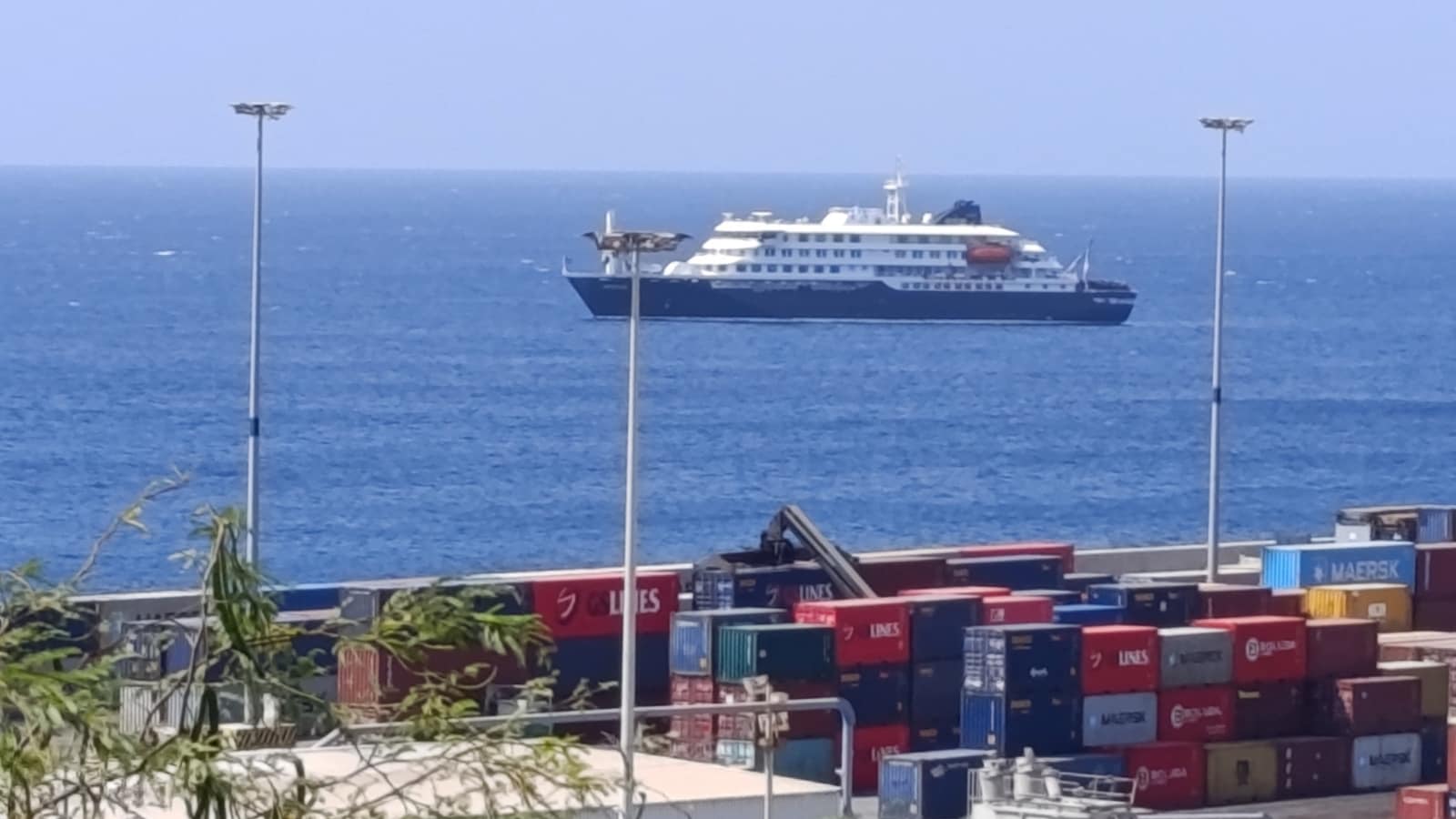
A standard vacation cruise offers an escape from the friction of daily life, but it also seals thousands of people inside a shared breathing environment. While public health agencies and cruise lines meticulously monitor vessels for norovirus and respiratory threats like influenza, they are leaving a massive blind spot in their biosecurity protocols. Deep inside the utility corridors, ventilation shafts, and luggage holds of modern cruise ships lies an overlooked risk. Rodent-borne pathogens, specifically hantaviruses, present a severe threat to passengers and crew alike. When infected rodent droppings or urine are disturbed, microscopic viral particles suspend in the air. Inhaling this dust can trigger a rapid, often fatal pulmonary collapse.
To protect yourself, you must understand that standard shipboard sanitation does not automatically eliminate these hidden reservoirs of infection. Recognizing early, flu-like symptoms and understanding how air-handling systems move particulate matter are your primary lines of defense. For a different view, check out: this related article.
The Ventilation Blind Spot
Modern cruise ships are marvels of maritime engineering, operating as floating self-contained cities. They rely heavily on complex heating, ventilation, and air conditioning systems to maintain comfortable temperatures across thousands of individual cabins and massive public atriums. However, these intricate networks of ductwork also serve as superhighways for airborne particulates.
When a vessel docks at a international port, it interacts with local supply chains. Provisions, linens, and luggage are loaded from warehouses that may not maintain strict pest control standards. Rodents frequently hitchhike onto ships inside these cargo pallets. Once aboard, mice and rats seek out the quietest, warmest areas of the ship. They nest in utility voids, behind drywall panels, and inside dormant air ducts. Further analysis on the subject has been shared by National Geographic Travel.
The danger peaks during maintenance or when ships undergo seasonal repositioning. When crew members sweep out long-neglected storage lockers or dry-vacuum utility areas without proper wetting agents, they stir up dried rodent excreta. The microscopic viral particles of hantavirus, stable in dry environments for days, become aerosolized.
The ship’s ventilation system then pulls this contaminated air into the main circulation loop. While high-efficiency particulate air filters can catch these pathogens, not all maritime ventilation systems utilize medical-grade filtration across every zone. Passengers walking through corridors or resting in their cabins can inhale these invisible particles without ever seeing a single rodent.
How Hantavirus Attacks the Body
The biological mechanism of hantavirus infection is both swift and devastating. Unlike typical respiratory viruses that primarily target the upper airway epithelium, hantaviruses target the endothelial cells. These are the cells that line the inside of your blood vessels.
Once inhaled, the virus migrates to the lungs. It begins replicating within the pulmonary capillaries. This replication triggers an intense, localized immune response. Your body rushes inflammatory cells to the site, but this defense mechanism backfires. The interaction between the virus and your immune system causes the capillaries to become highly permeable.
They leak.
$$Pulmonary\ Capillary\ Leakage \implies Alveolar\ Flooding \implies Suffocation$$
Essentially, the air sacs in the lungs fill with blood and fluid. This condition, known as Hantavirus Pulmonary Syndrome, mimics the sensation of drowning from the inside out.
The early symptoms are dangerously deceptive. Because they mirror common vacation fatigue or mild seasickness, many victims ignore them until it is too late.
- Phase One (Days 1 to 5): Fatigue, fever, and muscle aches, particularly in the large muscle groups like the thighs, hips, and back. Some patients experience headaches, dizziness, chills, and abdominal pain.
- Phase Two (Days 6 to 10): The sudden onset of severe shortness of breath and a deep, productive cough. This indicates that the lungs are filling with fluid.
Once the second phase begins, the disease progresses with terrifying speed. Hospitalization and mechanical ventilation are required immediately. The mortality rate for Hantavirus Pulmonary Syndrome sits at roughly 38 percent. There is no specific cure, no antiviral drug, and no vaccine. Treatment relies entirely on supportive therapy in an intensive care unit.
The Regulation Gap
Maritime health regulations are heavily weighted toward highly contagious, fast-spreading viruses that ruin vacations instantly. The Vessel Sanitation Program, operated by the Centers for Disease Control and Prevention, conducts rigorous unannounced inspections of cruise ships. They check food preparation areas, pool chlorination levels, and potable water systems. They log cases of gastrointestinal illness diligently.
Yet, these protocols are designed around person-to-person transmission. Hantavirus does not typically spread from human to human. Because it requires an environmental vector—the inhalation of rodent-contaminated dust—it slips through the cracks of standard maritime health reporting.
A ship can pass a Vessel Sanitation Program inspection with high marks while still harboring localized rodent infestations in structural voids or cargo holds. Cruise lines are highly incentivized to keep pest control actions quiet. Spotting a rat on a luxury liner is a public relations disaster, so extermination efforts are often handled discreetly by third-party contractors during late-night port stops.
This culture of secrecy prevents passengers from understanding the true level of risk. If a passenger develops a fever and muscle aches a week after returning home, their local physician will rarely ask if they traveled near utility corridors or storage areas on a cruise ship. The diagnosis is easily missed, written off as atypical pneumonia or a severe case of influenza, shielding the cruise industry from accountability.
Practical Defense Strategies for Travelers
You cannot rely solely on the cruise line's assurances of cleanliness. To protect yourself on your next voyage, you must adopt a proactive mindset regarding your immediate environment.
Pay close attention to your cabin's ventilation register. If you notice a visible accumulation of dark dust or debris around the ceiling vents, request a cabin change immediately. Do not attempt to clean the vent yourself with a dry tissue or brush, as this will aerosolize any settled particles directly into your breathing zone.
Avoid exploring unauthorized areas of the ship. Passenger access is restricted for safety reasons, but curious travelers often wander into crew corridors, storage spaces, or mechanical rooms to take photos or find quiet spots. These low-traffic areas are precisely where rodent activity is highest and where cleaning standards are less stringent than in public lounges.
If you are packing or unpacking luggage that has been stored in a basement, garage, or outdoor shed prior to your trip, inspect it carefully before bringing it into your cabin. Wipe down all hard surfaces of your suitcases with a disinfectant solution.
Should you develop a sudden fever, deep muscle aches, or unexplained shortness of breath within one to six weeks of taking a cruise, do not wait for the symptoms to clear. Seek emergency medical evaluation. Tell the treating physician explicitly that you have recently traveled on a cruise ship and may have been exposed to aerosolized dust in enclosed spaces. This specific piece of travel history can prompt clinicians to order specialized serological testing, bypassing days of diagnostic guesswork that could cost you your life.