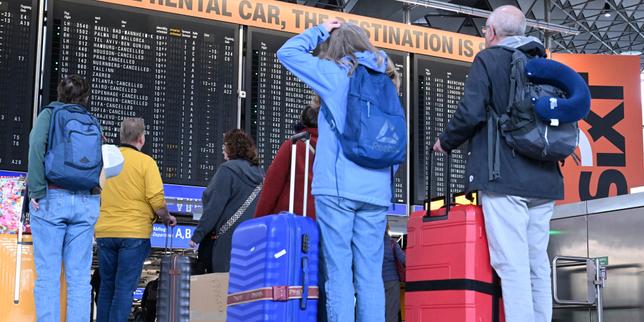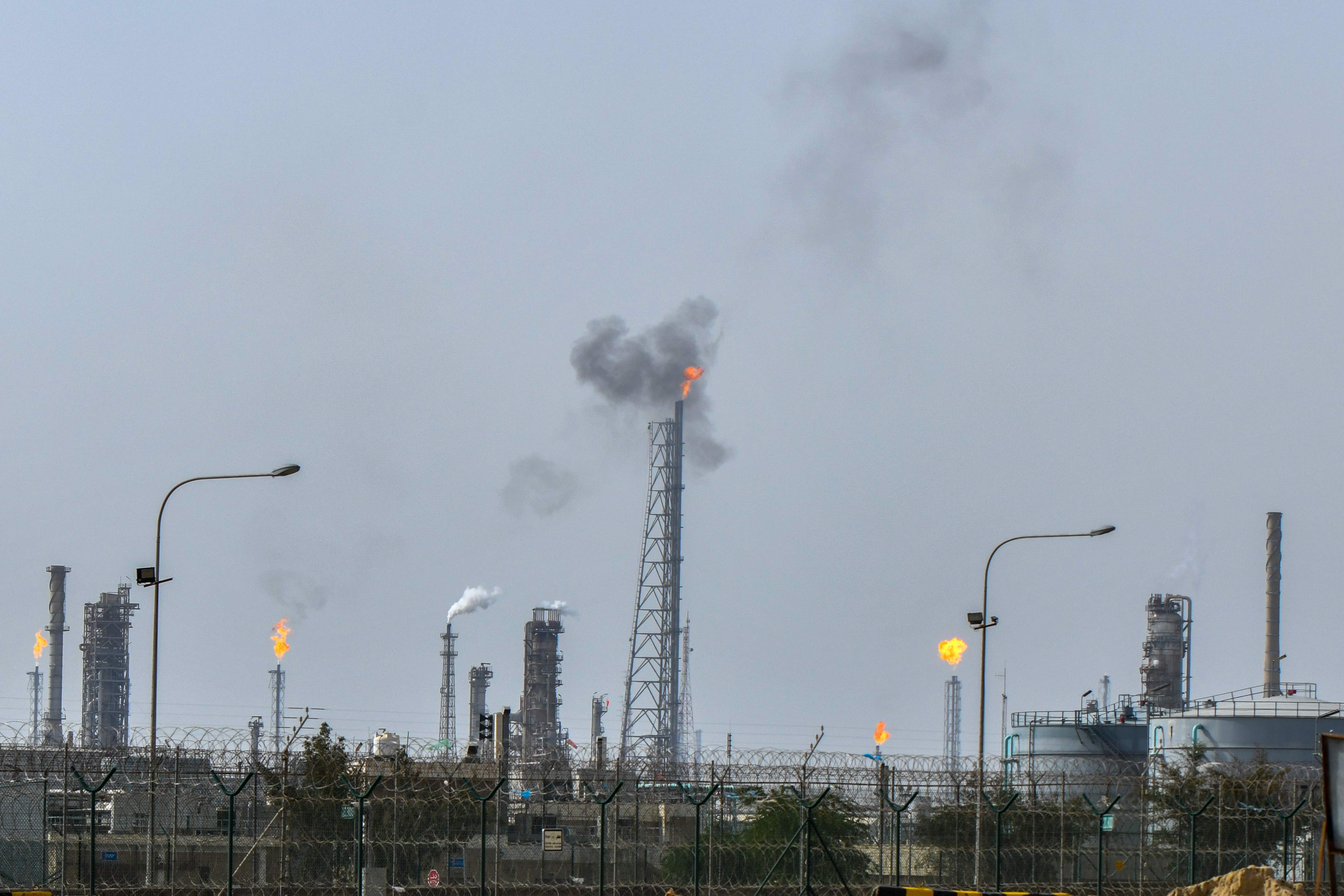
The coffee in Terminal 4 is always lukewarm, but today it tastes like copper. You are sitting there, scrolling through your phone, checking the gate number for a flight to Cyprus, or maybe a weekend getaway to the bright lights of Dubai. Around you, the world is a hum of rolling suitcases and duty-free bags. It feels safe. It feels like a vacuum where the messy, jagged edges of global politics can’t reach you.
That is the illusion of the modern traveler.
For decades, we have operated under a silent social contract: wars happen on maps, in trenches, or over disputed borders. We assumed that our leisure time—our honeystays in the Mediterranean, our backpacking trips through Southeast Asia—was neutral ground. But that contract has been shredded. The latest communiqués from Tehran haven't just targeted military outposts or government buildings. They have turned their gaze toward the places where you take your shoes off and relax.
The Architecture of a Threat
Tehran’s recent rhetoric suggests a terrifying shift in strategy. It is no longer about the "hard" targets of the Pentagon or the Knesset. It is about "soft" targets. Think of a luxury hotel in Baku. A beach resort in Thailand frequented by Westerners. A bustling cafe in Paris. These aren't just vacation spots anymore. In the eyes of a regime under immense pressure, they are psychological leverage points.
When a state actor explicitly mentions "recreational and tourist sites" as valid theaters of war, they aren't just talking about property damage. They are talking about the colonization of your peace of mind. They want you to look at a crowded hotel lobby and see a vulnerability instead of a vacation.
This isn't speculative fiction. We have seen the blueprint before. In 2012, a bus carrying tourists in Burgas, Bulgaria, was blown apart. The victims weren't soldiers. They were people on holiday. That event served as a grim precursor to the current climate. Today, the scale is different. The sophistication of the IRGC (Islamic Revolutionary Guard Corps) and its proxy networks, like Hezbollah, has evolved. They don't just use crude explosives; they use digital surveillance to track patterns of movement in high-traffic tourist zones.
Why the Vacationer?
You might wonder why a nation-state would bother with a hotel in Georgia or a mall in Istanbul. The logic is cold and surgical. Attacking a military base is an act of war that invites a symmetrical response. Attacking a tourist site is an act of "asymmetric" pressure. It cripples the economy of the host country. It dominates the 24-hour news cycle. Most importantly, it creates a sense of omnipresent dread.
Consider a hypothetical traveler named Elena. She’s an architect from Milan, finally taking that trip to the UAE. She isn't a politician. She doesn't have an opinion on the complexities of the Strait of Hormuz. But if a proxy group decides that a strike on a Dubai shopping mall is the best way to "punish" Western interests, Elena becomes a pawn. The message sent isn't to the generals; it's to every citizen of the world: You are never out of reach.
The geography of this threat is sprawling. It isn't confined to the Middle East. Intelligence reports have flagged increased "reconnaissance" activities in parts of South America and Africa. These are regions where security might be more porous, and where Western tourists often gather in large numbers. The goal is to stretch the security resources of the West until they snap.
The Digital Trail You Leave Behind
We often think of security in terms of metal detectors and armed guards. But in 2026, the threat begins the moment you book your flight.
State-sponsored hacking groups have shifted their focus to the travel industry. They aren't just looking for credit card numbers. They are looking for manifests. They want to know who is staying at the Marriott in Sarajevo or the Hilton in Colombo. By infiltrating the databases of mid-tier travel agencies or hotel chains, they can build a profile of where certain nationalities congregate.
This is the "invisible stake." Your digital footprint—that Instagram tag at a popular rooftop bar, the "check-in" on Facebook—is a beacon. In the past, a threat had to be physically present to scout a location. Now, they can scout it from a server farm in Tehran using your own vacation photos to identify the most crowded hours and the weakest entry points.
The Human Cost of Constant Vigilance
There is a weight to this. It’s the "traveler’s anxiety" that didn't exist twenty years ago. We are told to be "aware of our surroundings," a phrase so vague it’s almost useless. Does it mean looking for an abandoned bag? Or does it mean scanning the face of everyone in the elevator?
When tourism sites are threatened, the first casualty is the culture of the host country. Think of the small business owners in Greece or the tour guides in Jordan. Their livelihoods depend on the world feeling small and accessible. When a regime weaponizes the concept of travel, they aren't just threatening the tourists; they are strangling the local economies that rely on the kindness of strangers.
History shows us that once a site is deemed "unsafe," it takes a generation to recover. The scars on the tourism industry in Egypt or Tunisia after previous attacks are testament to this. By targeting these sites, Iran is attempting to redraw the map of the world, marking "no-go" zones in places that were once sanctuaries of human connection.
The Shift in Global Security
Intelligence agencies are scrambling to adapt. The old model was focused on protecting "High-Value Targets"—diplomats, CEOs, politicians. But how do you protect a million tourists scattered across ten thousand different hotels?
It requires a level of international cooperation that is currently strained. It means sharing data on "suspicious movement" across borders and monitoring the financial flows of shell companies that might be scouting locations under the guise of "tourist development."
But there is a limit to what governments can do. The reality is that the front line of this conflict has moved to the lobby of your hotel. It has moved to the queue at the museum. It has moved to the seat next to you on the train.
Living in the Shadow
So, what is the response? Do we stop traveling? Do we let the shadow win?
The impulse is to retreat. To stay within the "safe" borders of our own countries. But that is exactly what this strategy of tension aims to achieve. It seeks to balkanize the world, to make us fear the "other" and the "elsewhere."
The challenge of our time is to navigate this new landscape without losing our humanity. It means being informed without being paralyzed. It means understanding that when a government issues a travel advisory, it isn't just bureaucracy—it's a reflection of a world where the lines between civilian life and state conflict have blurred into nothingness.
The copper taste of the coffee remains. You hear the chime for your boarding group. You look at the people around you—the families, the solo backpackers, the business travelers—and you realize that everyone is carrying a little bit of this invisible weight. We are all part of a story we didn't sign up for, playing roles in a theater of war that has no curtains and no exits.
As you walk down the jet bridge, you catch a glimpse of the tarmac. The sun is setting, casting long, distorted shadows across the wings of the planes. Those shadows are longer than they used to be, stretching across oceans and continents, reaching into the very places where we go to forget the world. The world, it seems, has no intention of being forgotten.
The door of the aircraft hisses shut. The cabin pressure changes. You are buckled in, suspended between where you were and where you are going, hoping that the sanctuary of the sky is the one place the shadows cannot follow. But even as the engines roar to life, you can’t help but glance at the emergency exit, wondering if the person in the seat behind you is looking at it, too.