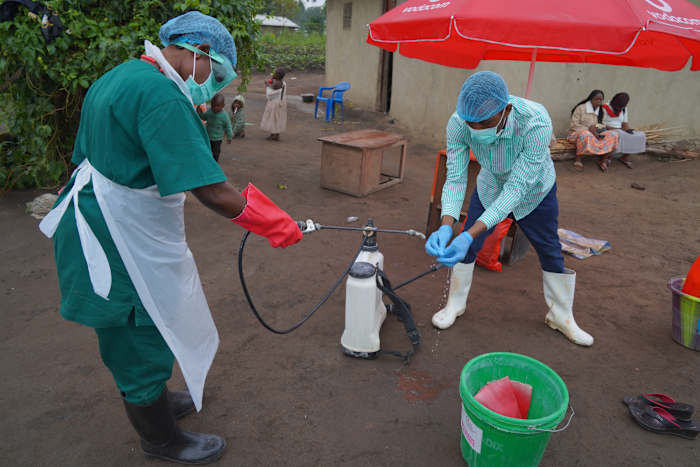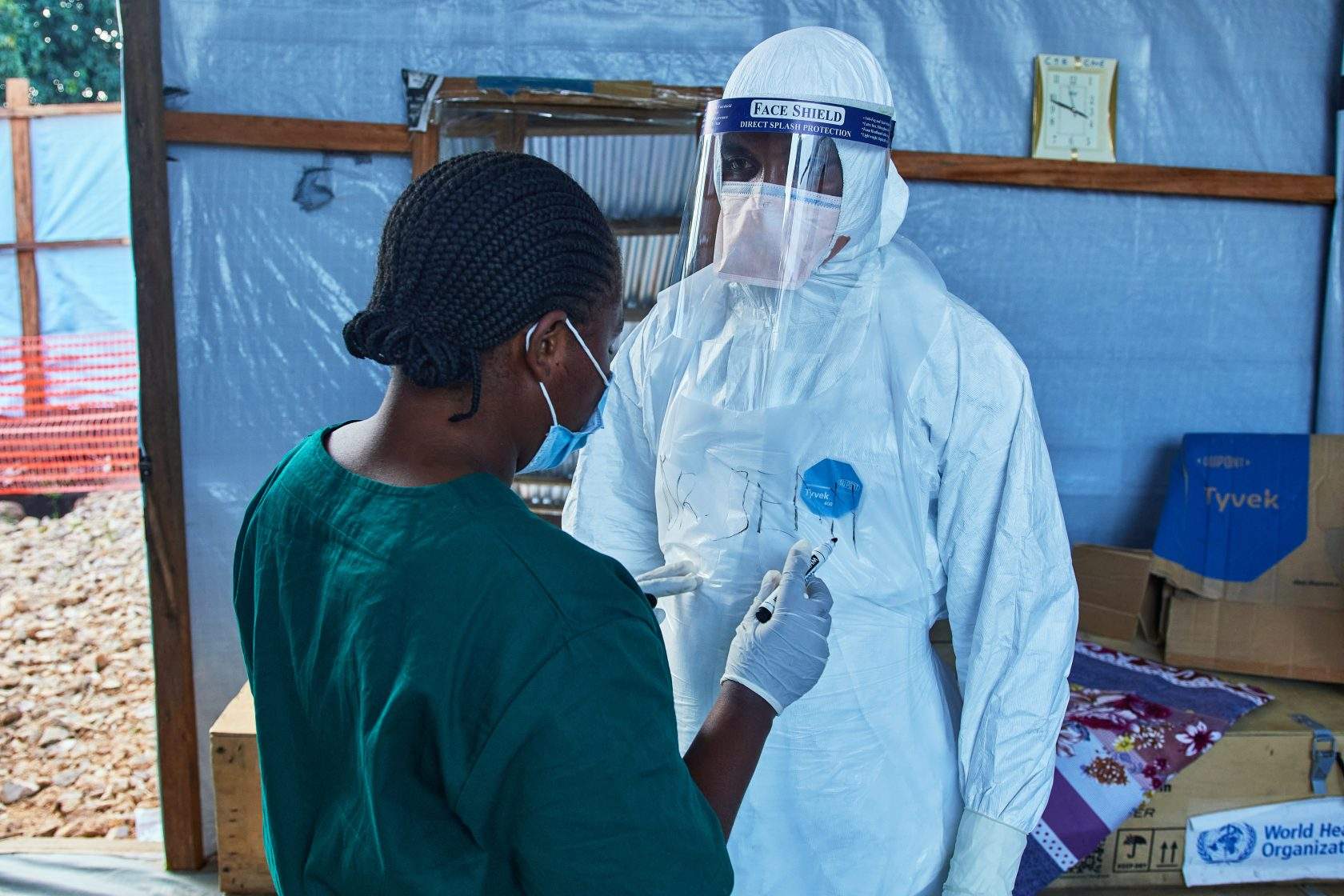
Time moves differently in a clinic that has run out of clean gloves.
Outside, the dense equatorial heat presses against the corrugated tin roof like a heavy hand. Inside, the air smells of chlorine, dried sweat, and the particular, metallic sharpness of fear. You might also find this related story interesting: What Most People Get Wrong About Living Longer at Age 80.
Dr. Amara Kouyaté remembers the exact Tuesday the math stopped making sense. It was weeks before the banners went up in the capital. Weeks before the bulletins flashed across international screens with urgent red tickers. Weeks before the official word finally crossed the threshold of the World Health Organization.
By then, the silence had already done its worst work. As discussed in detailed reports by WebMD, the effects are significant.
Epidemics do not detonate like bombs. They creep. They wear ordinary clothes. They mimic the familiar chills of malaria, the exhaustion of hard labor under a blistering sun, the common stomachaches of a bad well. When a patient arrives at a rural outpost with a fever, the immediate instinct of a frontline nurse is not to suspect an ancient, terrifying pathogen. The instinct is to treat what is common.
Consider what happens next in a system stretched to its breaking point.
A mother brings her feverish child to a local healer. Relatives travel across dusty provincial roads to pay their respects, sharing meals from a communal bowl. Each touch is an act of love, an anchor of community, and—unbeknownst to anyone at the table—a link in an invisible chain.
Months. That is the haunting reality revealed by retrospective investigations into the Congo outbreak. The virus had been circulating, mutating, and claiming lives in quiet margins long before surveillance reports tallied the first official case.
Why does this delay happen?
Part of the answer lies in the architecture of modern public health. Surveillance systems rely on alerts, thresholds, and administrative verification. A clinic doctor suspects something unusual; they write a report. The report travels up a chain of provincial coordinators, waits for transport, reaches a national ministry, and finally triggers international verification protocols. Every step takes days. Multiply those days by a fragmented infrastructure, difficult terrain, and the profound exhaustion of local healthcare workers, and months vanish into the administrative ether.
Imagine walking into a dense fog. You do not suddenly realize you are lost; you simply notice that the trees around you look unfamiliar, until you turn around and realize the path is entirely gone.
This delay is not merely a bureaucratic failure. It is a human tragedy written in deferred interventions. When an outbreak smolders in secret, the virus enjoys an unobstructed runway. It establishes deep roots in community networks before anyone thinks to map them. By the time the alarm bells ring, the response teams are not just fighting a disease; they are fighting time itself.
Trust is another currency traded heavily in these moments. Communities that have experienced decades of political instability, neglect, or broken promises from distant capitals do not easily open their doors to men and women in white hazmat suits speaking a foreign dialect. When outsiders arrive shouting about a crisis they failed to notice earlier, suspicion replaces cooperation.
Amara learned this lesson the hard way during previous deployments. You cannot command compliance from a grieving family. You must sit with them. You must drink the warm tea they offer, even when your hands shake inside your pockets. You must listen to their fears about safe burials that strip away cultural dignity.
The hard truth of public health is that logistics matter less than human connection.
When researchers looked back at the timeline of the Congolese outbreak, they found missed signals in hospital logbooks. A spike in unexplained deaths here. A cluster of healthcare workers falling ill there. Each data point was a faint pulse in the dark, waiting for someone to connect the dots. But data points do not bleed. People do.
We must confront the uncomfortable vulnerability of our global health architecture. Despite advanced genomics, satellite mapping, and rapid diagnostic tools, humanity remains profoundly exposed to the lag between the first spark and the recognized fire. The invisible months are the most dangerous phase of any outbreak, a window where human inaction or institutional blind spots allow a microscopic enemy to build an unassailable lead.
To close this gap requires more than better technology. It requires listening to the whispers on the ground before they become screams in the headlines. It requires trusting local clinicians who know the rhythm of their communities better than any algorithm in Geneva or Washington.
The sun sets quickly near the equator. The tin roof cools, pinging softly as the metal contracts in the gathering dusk. Inside the clinic, Amara washes her hands for the twentieth time that shift, looking out at the darkened courtyard where tomorrow, the quiet work of holding the line will begin all over again.