You can hear the pulse of Hong Kong in the frantic clicking of heels against granite in Central, the low, mournful groan of the Star Ferry bumping against the pier, and the endless, metallic chatter of counting machines locked inside high-rise vaults. This is a city built on velocity. Money moves here like breath, inhaled through international trade and exhaled through neon-lit commerce.
Yet, beneath the skyscraper-studded skyline and the dizzying ambition of the stock exchange, a quiet guardian sits in the dark.
It is called the Exchange Fund.
Most people walking past the towering headquarters of the Hong Kong Monetary Authority never think about it. They are too busy dodging double-decker trams or calculating rent. But this colossal pool of wealth is the invisible shock absorber for seven million lives. When global markets shudder, when currency speculators bare their teeth, or when the ground gives way beneath the local economy, the Exchange Fund is the wall that holds the line.
Right now, that wall has taken a hit.
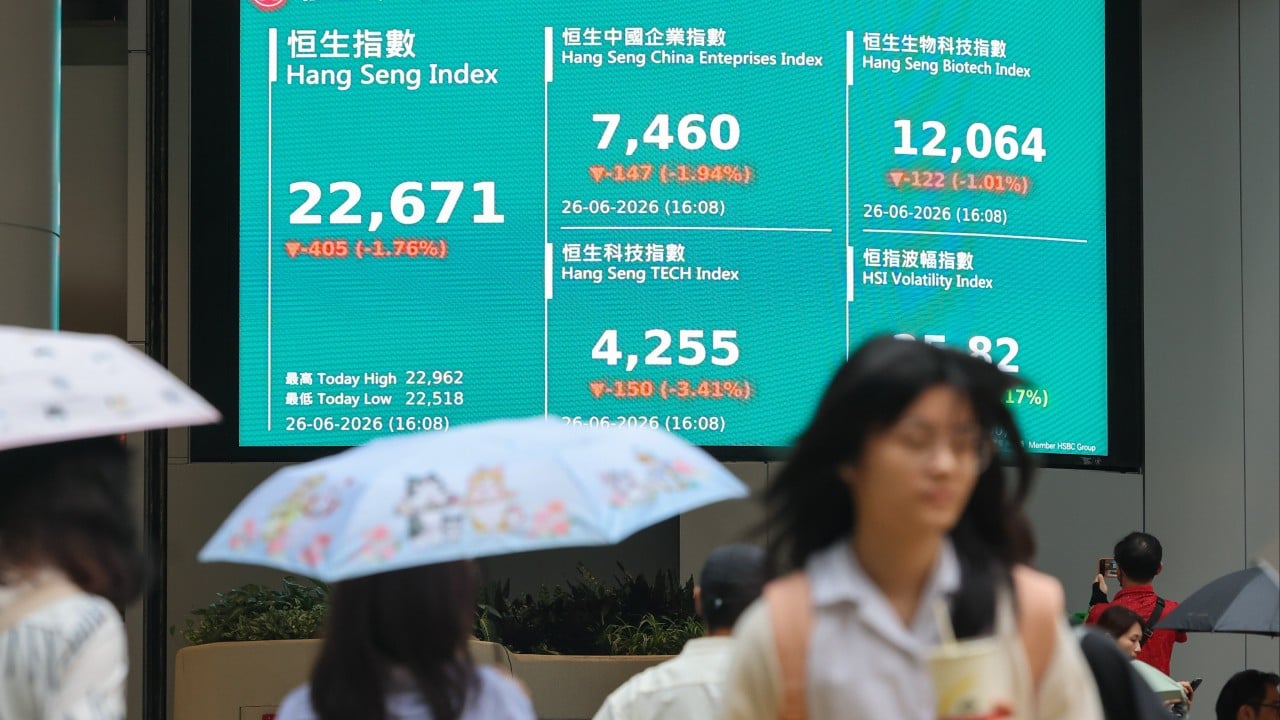
The numbers came down like a sudden summer thunderstorm. A thirty-seven percent drop in first-half earnings. A staggering deficit sliced from the balance sheet, totaling billions of dollars vanishing into the ether. Stocks stumbled. Bonds lost their footing. The market did what markets always do when panic whispers through the trading floors—it bled value.
Panic is a luxury for the spectators. For those who manage the city's financial heartbeat, the reality is a cold, calculated geometry of risk.
To understand what happened, picture a massive ship caught in a violent squall. The captain didn't steer into an iceberg, nor did the crew abandon ship. Instead, the sea itself turned monstrous. Global equities, which usually provide a sweet wind to the sails, plunged into a deep trough. At the same time, the bond market—traditionally the safe harbor where sailors drop anchor and wait out the storm—offered no shelter. Falling bond prices dragged down returns like dead weight.
Let us be entirely clear about the mechanics. The Exchange Fund is not a venture capital fund looking for the next moonshot. It is a stabilization mechanism. It defends the Hong Kong dollar peg, ensuring that the currency in your pocket buys what it is supposed to buy without terrifying bouts of hyper-inflation or devaluation. When equity markets worldwide slump and bond income softens simultaneously, the fund’s investment income takes a direct blow.
Imagine holding a heavy tray stacked with crystal glasses. You are walking across a crowded, dimly lit room. Suddenly, someone bumps into your elbow from the left, and the floor drops an inch on the right. You shift your weight to save the glasses, straining every muscle in your arm. You manage not to drop them, but your muscles burn, and your palms sweat.
That is what happened to the portfolio.
Critics immediately point fingers. They look at the headline drop and whisper about mismanagement. They demand to know why the diversification strategy didn't catch every falling knife. But that criticism comes from a place of profound misunderstanding. You cannot outrun gravity. When both stocks and bonds turn hostile at the exact same moment—a rare, punishing correlation that terrifies institutional investors globally—even the most sophisticated treasury operations take a beating.
Consider what this means for the everyday citizen. Does your morning coffee suddenly cost more because of the fund's earnings report? No. Does your apartment lease double overnight? Not directly. The Exchange Fund operates in the stratosphere of macroeconomics, far above the corner bakery or the local noodle shop.
Yet, the health of that fund is the invisible floorboards of your financial house. If the floorboards rot, the whole structure wobbles.
The primary mandate of the fund has never been to chase reckless profits. Its holy grail is preservation. It exists to ensure that the Hong Kong dollar remains anchored to the US dollar with absolute, unshakable integrity. It ensures that international trade can flow through the harbor without traders losing sleep over sudden currency collapse. When earnings fall, it does not mean the currency peg is broken. It means the cost of maintaining stability during a brutal global market correction was high.
Markets move in seasons. The winter of equity slumps and bruised bond yields is harsh, but it is not permanent. Behind closed doors in Central, analysts are already recalculating yields, adjusting asset allocations, and preparing for the inevitable thaw. They have weathered Asian financial crises, global pandemics, and dot-com implosions. A bad first half is a battle scar, not a mortal wound.
The sun will rise tomorrow over Victoria Harbour. The ferries will groan against the piers. Millions of people will wake up, step onto the pavement, and chase their ambitions in one of the most vibrant places on Earth. And underneath it all, the quiet guardian will keep watch, licking its wounds, holding the line, and waiting for the tide to turn.