The Toxic Reality Behind the Viral Blue Lagoon Craze
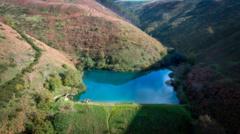
Social media algorithms are driving thousands of trespassers to a former limestone quarry near Buxton, England, turning a hazardous industrial waste site into an overnight internet sensation. The site, known locally as Harpur Hill Quarry and dubbed the "Blue Lagoon" on TikTok and Instagram, owes its tropical turquoise hue not to mineral-rich thermal springs, but to caustic industrial runoff with a pH level nearly identical to bleach.
The landowners and local authorities are urging visitors to stay far away. Yet the crowds keep coming, drawn by perfectly saturated photos that conceal a grim public health hazard.
This issue goes far beyond a single flooded pit in Derbyshire. It highlights a breakdown in how platforms regulate dangerous location trends, how small communities bear the financial burden of viral tourism, and how easily digital aesthetics obscure severe physical dangers.
Why Caustic Water Looks Like a Tropical Paradise
The mesmerizing color that dominates short-form video feeds is a direct result of chemical contamination.
When rainwater collects in the abandoned quarry, it dissolves calcium oxide left behind from decades of industrial limestone burning. This process forms calcium hydroxide, creating an intensely alkaline environment.
The Chemistry of Danger
- pH Level 12.6: Normal water sits around 7.0. The quarry's pH reaches 12.6, making it almost as alkaline as household ammonia or bleach.
- Chemical Burns: Contact with water this alkaline causes severe skin irritation, rashes, and chemical burns to eyes and mucous membranes.
- Fecal Bacteria and Industrial Trash: The pit contains submerged cars, dead animals, abandoned farm machinery, and raw sewage from illicit camping, creating a breeding ground for severe stomach infections and bacterial illnesses.
- Hypothermia Risks: Despite looking like a Caribbean beach, the water temperature rarely rises above cold single digits Celsius, triggering immediate cold-water shock even in summer.
People see an inviting pool. They jump in, completely unaware that they are plunging into toxic, freezing chemical waste.
The Endless Battle Between Landowners and Algorithm-Driven Crowds
For years, the owners of Harpur Hill Quarry and local council members have tried to break the site's visual appeal.
Their primary defense weapon was dye.
By dumping massive quantities of black dye into the water, local teams successfully transformed the tropical turquoise into an uninviting, murky black pit. For short periods, traffic dropped. But natural rainfall and underground drainage continuously dilute the dye, requiring frequent, expensive reapplications. As soon as the water clears back to bright blue, fresh video clips resurface online, and thousands of visitors travel hours to reach the fence line.
Viral Video Uploaded ➔ Tourist Surge ➔ Trespassing & Trash ➔ Black Dye Applied ➔ Dye Fades ➔ Cycle Repeats
Property owners face an unfair legal trap. Under current occupier liability laws in many jurisdictions, landowners can be held civilly liable for injuries suffered by trespassers if they fail to take reasonable steps to secure known hazards. Fencing off a massive, rocky quarry perimeter costs hundreds of thousands of pounds—money the private owners do not have. Adding more security guards or continuous perimeter patrols creates an ongoing financial drain that small property holders cannot sustain.
How Platforms Profit Off Dangerous Location Trends
The underlying engine driving this crisis is algorithmic amplification.
Platforms like TikTok and Instagram prioritize high-contrast visual media. Bright blue water framed by dark grey cliffs triggers high engagement rates, saved posts, and shares. When a user posts a clip tagged with location data, the recommendation engine pushes that video to thousands of local users looking for weekend day trips.
+-----------------------------------------------------------------------+
|                       THE VIRAL TRAFFIC PIPELINE                       |
+-----------------------------------------------------------------------+
|  1. Visual Hook      |  Vibrant turquoise water grabs immediate eye     |
|                      |  attention in fast-scrolling video feeds.       |
|                      |                                                |
|  2. Algorithmic Push |  High engagement signals the app to broadcast  |
|                      |  the content to nearby users.                   |
|                      |                                                |
|  3. Offline Fallout  |  Gridlocked rural roads, trashed farmland,     |
|                      |  and overwhelmed local emergency services.     |
+-----------------------------------------------------------------------+
When local residents, emergency services, and landowners attempt to combat the influx, they fight an asymmetrical war against global tech companies. A warning banner added to a hashtag does very little to deter a driver who has spent three hours on the motorway to get a photo.
Local police forces spend thousands of operational hours issuing parking tickets, clearing gridlocked narrow lanes, and rescuing injured trespassers who slip down steep, crumbling quarry faces. The community pays the bill in taxes and safety risks while the platforms harvest the engagement metrics.
Permanent Solutions Demand Aggressive Intervention
Shaming trespassers on social media does not work. Painting the water black is a temporary bandage on a open wound. Ending these dangerous social-media-driven invasions requires structural changes from local governments, law enforcement, and tech platforms alike.
Force Social Platforms to Geofence Hazards
Tech companies must implement mandatory warning screens and suppress location tagging on confirmed hazardous industrial sites. When a user searches for known toxic quarries or dangerous trespassing spots, the platform should display prominent health warnings rather than algorithmic compilations of polished videos.
Shift Financial Burden to Negligent Visitors
Warning signs alone do not deter thrill-seekers. Municipalities need to implement steep, non-negotiable fines for trespassing on dangerous industrial land, alongside towing operations for vehicles blocking emergency access roads. When the financial risk of visiting outweighs the social media prestige, visitor numbers drop sharply.
Infill and Permanent Land Reclamation
The only permanent physical solution for sites like Harpur Hill is controlled infilling or permanent drainage. Reclaiming industrial quarries requires public-private funding partnerships to drain the chemical runoff, break down the unstable cliff faces, and backfill the basin with inert earth.
Until state regulatory bodies step in to fund complete physical reclamation, toxic sites will continue to attract crowds chasing the perfect photo, putting lives at risk for a brief moment of digital attention.