Blackpool, Milton Keynes, Sheffield, and Wrexham have made the shortlist for UK City of Culture 2029, putting four sharply different local economies in line for a £10 million prize when the winner is named in early 2027. Yet the real story behind the Department for Culture, Media and Sport announcement is not a feel-good parade of civic pride. It is a high-stakes test of whether a twelve-month festival badge can fix structural underfunding, seasonal poverty, and post-industrial drift in places that have spent decades watching capital flow elsewhere.
Press releases love a neat ribbon-cutting. After thirty years covering regional regeneration, municipal budgets, and cultural policy across Britain, I have watched plenty of towns chase shiny titles while their libraries, youth clubs, and small venues quietly shut their doors. A UK City of Culture 2029 bid can rally thousands of residents and pull national attention toward overlooked postcodes. It can also saddle cash-strapped councils with expectations that a single year of programming cannot possibly meet.
Four Contenders With Very Different Fault Lines
Each finalist arrives on the shortlist carrying a distinct economic story and a distinct vulnerability.
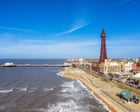
Blackpool leans into its working-class entertainment DNA and a calendar packed with anniversaries—2029 marks 150 years of the Illuminations and 135 years since Blackpool Tower and the Grand Theatre opened. Nobody doubts Blackpool knows how to stage a spectacle. The harder question is whether a seaside economy long shaped by low-wage seasonality can turn a twelve-month cultural surge into year-round skilled work rather than another burst of temporary footfall.
Sheffield enters with the deepest cultural bench on paper. Electronic music pioneers, bands from Pulp to Arctic Monkeys, biennial festivals, and England’s largest theatre complex outside London give the city real creative weight, reinforced by a bid built around grassroots community consultation. Sheffield’s risk is complacency and dilution. When a city already has strong institutions and a recognizable artistic brand, proving that a national title unlocks new money—rather than repackaging what already exists—becomes the real hurdle.
Milton Keynes is leaning into being a young city approaching its sixtieth year, using its new-town identity and ideas like creative apprenticeships and Culture Kids MK to challenge lazy clichés about concrete and roundabouts. Fast population growth and economic dynamism are genuine assets. Still, turning a planned commuter and logistics hub into an organic cultural magnet requires convincing residents and outsiders alike that the city’s soul lives beyond retail parks and grid roads.
Wrexham brings raw momentum and global visibility driven by its football club’s high-profile ownership, alongside ambitions to spread cultural activity across the wider county borough and claim the first Welsh UK City of Culture title. Celebrity oxygen travels fast. Converting television fame and matchday crowds into durable local creative careers across North Wales is far slower work.
| Shortlist Contender | Core Pitch | Biggest Structural Risk |
|---|---|---|
| Blackpool | Working-class spectacle, heritage milestones, coastal pride | Seasonal jobs and deep coastal economic headwinds |
| Sheffield | Grassroots participation, music, theatre, and creative scale | Proving additionality rather than recycling existing strengths |
| Milton Keynes | Sixtieth-year milestone, youth access, modern identity | Building deep community roots in a fast-growing planned city |
| Wrexham | Global football spotlight, county-wide reach, Welsh first | Turning media hype into lasting local cultural infrastructure |
Why a £10 Million Prize Is Only the Opening Bid
Ten million pounds sounds substantial until you try to run a year-long national programme across a city or wider borough. Staging major commissions, paying fair rates to artists and technicians, managing insurance and security, and running outreach in outer estates burns through seven figures quickly.
Previous holders show both the upside and the arithmetic behind the title. Hull’s 2017 programme drew more than five million visits and helped attract an estimated £220 million in investment over time, while Coventry’s 2021 edition paired government support with over £100 million in capital projects alongside pandemic disruptions and later organizational strain. Bradford’s 2025 year delivered thousands of events and millions of cultural engagements while keeping long-term sustainability and inclusion front and centre.
Notice what actually drives lasting change in those stories. It is rarely the banner alone. It is capital investment, multi-year partnerships, and local institutional capacity that survive after the closing ceremony.
A hypothetical example makes the trap clear. Suppose a mid-sized council wins the title and spends most of its budget on three headline weekend festivals in the town centre, hiring outside production firms while local rehearsal rooms and community centres stay underfunded. Footfall spikes in June and August. By the following spring, the visiting stages are gone, freelance creatives move to bigger cities for steadier work, and residents in outlying neighborhoods feel the party happened somewhere else.
Even the £125,000 runner-up support attached to the shortlist stage—with exact timing tied to the final process—is seed money, not a rescue package. Ministers frame the contest alongside wider devolution and pride-in-place agendas, yet UK City of Culture 2029 cannot substitute for steady core funding in local government or arts organizations.
What Winning Usually Misses
Culture-led regeneration has a blind spot that politicians rarely mention at podiums: rising rents and displaced spaces. When a city markets itself as cool, affordable, and creative, commercial landlords often notice before local musicians, printmakers, or community theatre groups do.
Small independent venues are especially exposed. A live music room or artist studio that operates on razor-thin margins does not survive on prestige alone; it survives on predictable operating costs, sympathetic licensing, and affordable leases. If a cultural year inflates property values without protecting workspace and grassroots venues, the very energy that won the bid can get priced out.
There is also the visibility gap between city centres and surrounding estates. Cultural calendars skew easily toward walkable downtown squares and established cultural quarters. Reaching households facing cost-of-living pressure takes deliberate transport planning, free or low-cost entry, and programming shaped by residents rather than handed down to them.
Three Questions That Will Decide 2029
Between now and early 2027, the advisory panel and ministers will look past warm slogans and test how solid each final bid really is. Watch three practical tests:
- Who holds the purse strings and the risk? Clear governance, match funding, and realistic contingency planning separate serious bids from wish lists.
- What stays standing in 2030? Look for equipment, skills training, venue upgrades, and operating models that outlast a twelve-month calendar.
- Who gets paid and who gets included? Check whether local workers, young people, and outer neighborhoods are woven into the budget itself, not treated as an afterthought.
A shortlist spot already gives Blackpool, Milton Keynes, Sheffield, and Wrexham a rare national microphone. The real test begins the moment the applause fades and local leaders have to prove they can turn a spotlight into something permanent.