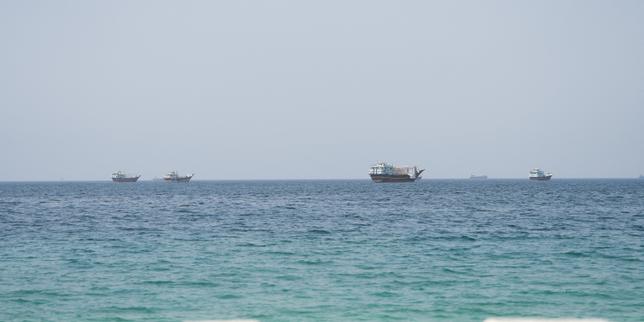
The Strait of Hormuz remains effectively immobilized as an aggressive missile strike targets an oil tanker operated by the Abu Dhabi National Oil Company (ADNOC), escalating regional tensions to a boiling point.
Global energy security hangs by a thread. When a state-owned carrier belonging to the United Arab Emirates takes a direct missile hit while legally transiting international waters, the implications stretch far beyond regional posturing. This is not an isolated maritime accident. It is a calculated escalation within a widening conflict that threatens to starve industrial economies of vital petroleum reserves.
The Anatomy of the Hormuz Chokepoint
Geography dictates vulnerability. At its narrowest point, the Strait of Hormuz shrinks to just twenty-one miles wide, with shipping lanes measuring a mere two miles across in either direction. Historically, roughly twenty percent of the world's petroleum consumption flows through this watery bottleneck.
When that corridor closes, the shockwaves ripple instantly across global markets.
Insurgents and state actors alike understand this mathematical reality. By turning a commercial transit route into a zone of active engagement, military strategists can hold worldwide inflation hostage. The recent strike on the ADNOC vessel underscores a grim reality. No flag is safe when maritime commerce becomes an instrument of state-level coercion.
Behind the Diplomatic Posturing
Official statements offer little comfort. Abu Dhabi has openly condemned the strike as an act of maritime piracy, pointing directly at Iranian forces. Tehran, meanwhile, negotiates parallel security arrangements with neighbors like Oman while simultaneously demanding sweeping concessions from Washington before it will consider permitting normal traffic to resume.
The demands from Iran are explicit. They include:
- The lifting of naval blockades targeting Iranian ports
- The complete removal of international economic sanctions
- The unfreezing of billions in sovereign assets held abroad
- Financial compensation for wartime damages
Washington and its regional partners view these conditions as extortion. Yet the alternative is a protracted war of attrition at sea that drives energy futures skyward. Behind closed doors, military analysts recognize that air defense systems and naval escorts can only mitigate risk, not eliminate it. A single successful hit proves that absolute security in a restricted chokepoint is a logistical impossibility.
The Cost of Cumulative Attrition
Statistics reveal a grueling campaign of harassment. ADNOC disclosed that fifteen of its commercial vessels have sustained direct hits from missiles and drones since the broader conflict erupted. One crew member is dead, dozens have sustained injuries, and corporate insurers are rewriting policies faster than shipping executives can read them.
Insurance premiums for Gulf transit have skyrocketed into prohibitive territory. Shipowners face an impossible choice. They can absorb crushing financial losses to maintain supply chains, or they can tie up multimillion-dollar fleets in safe harbors and watch global inventories evaporate.
Tankers continue to test the waters, driven by insatiable global demand. Every successful transit is a calculated gamble against gravity and guidance systems. As long as the diplomatic deadlock persists between Washington, Tehran, and regional capitals, the Strait of Hormuz remains a high-stakes shooting gallery where the next explosion is only a matter of time

/cdn.vox-cdn.com/uploads/chorus_asset/file/22155007/doc_ock.jpg)